Same user name and uuid for multiple user names
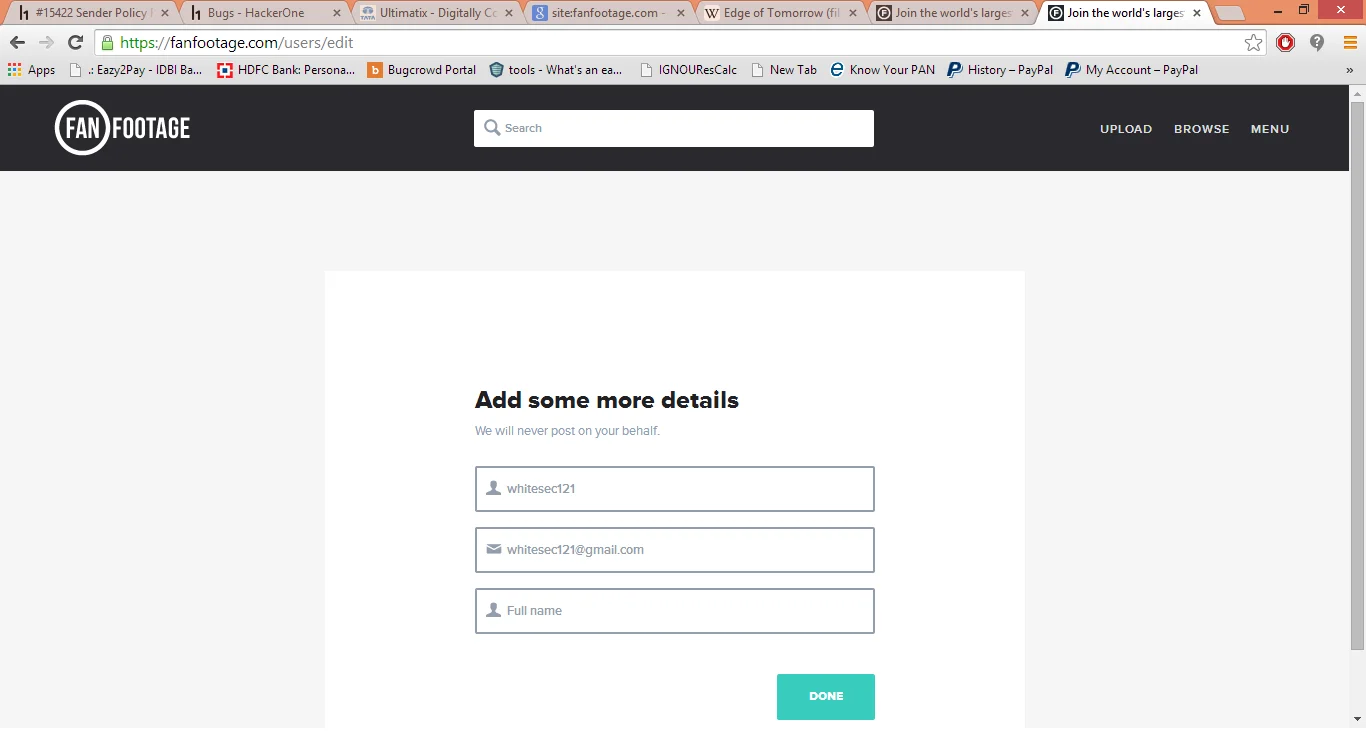
A user could choose their own UUID value during signup, including one already assigned to another account, and usernames were not unique. This could cause links to a user's profile to point at the wrong person's page, depending on how the database returns the values.

- Triaged in 4 days
- Fixed in 4 days
- Disclosed after 35 days
Two things I observe
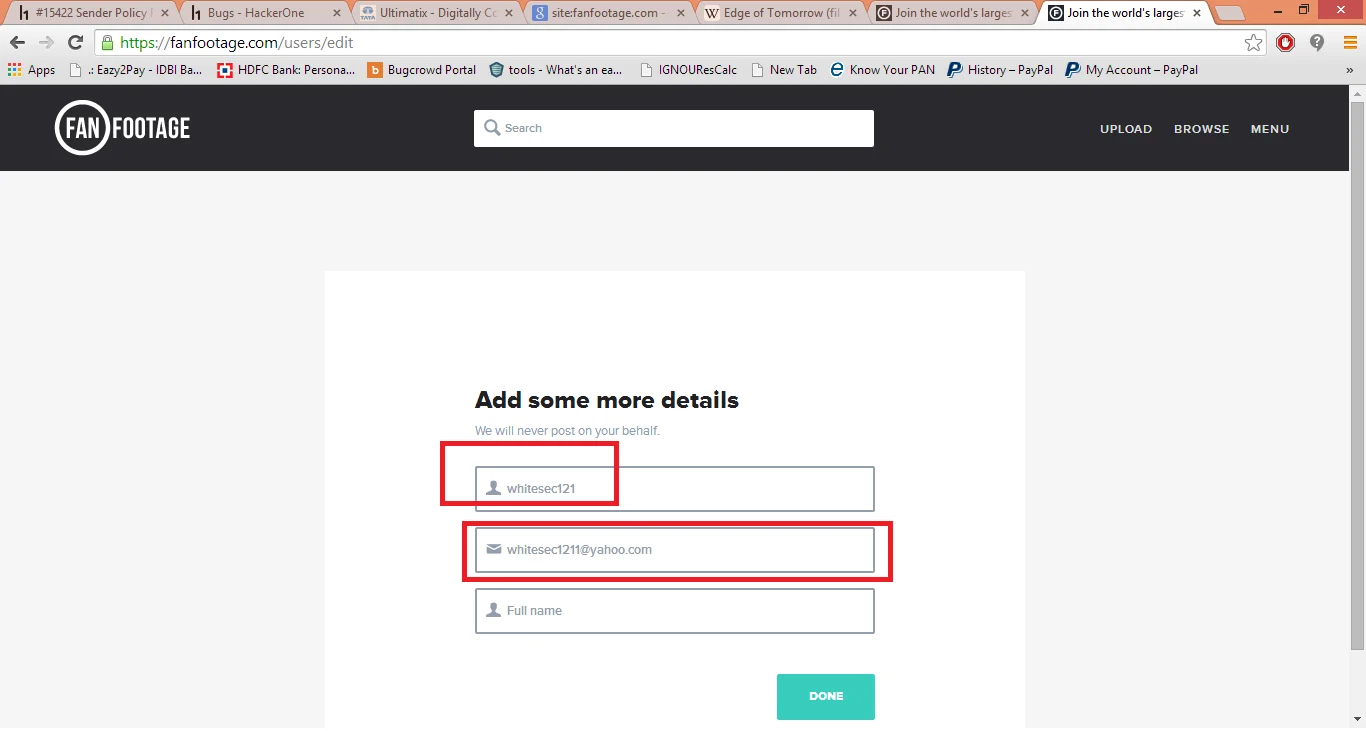
- same user name can be used by number of users. This may create confusion to another user
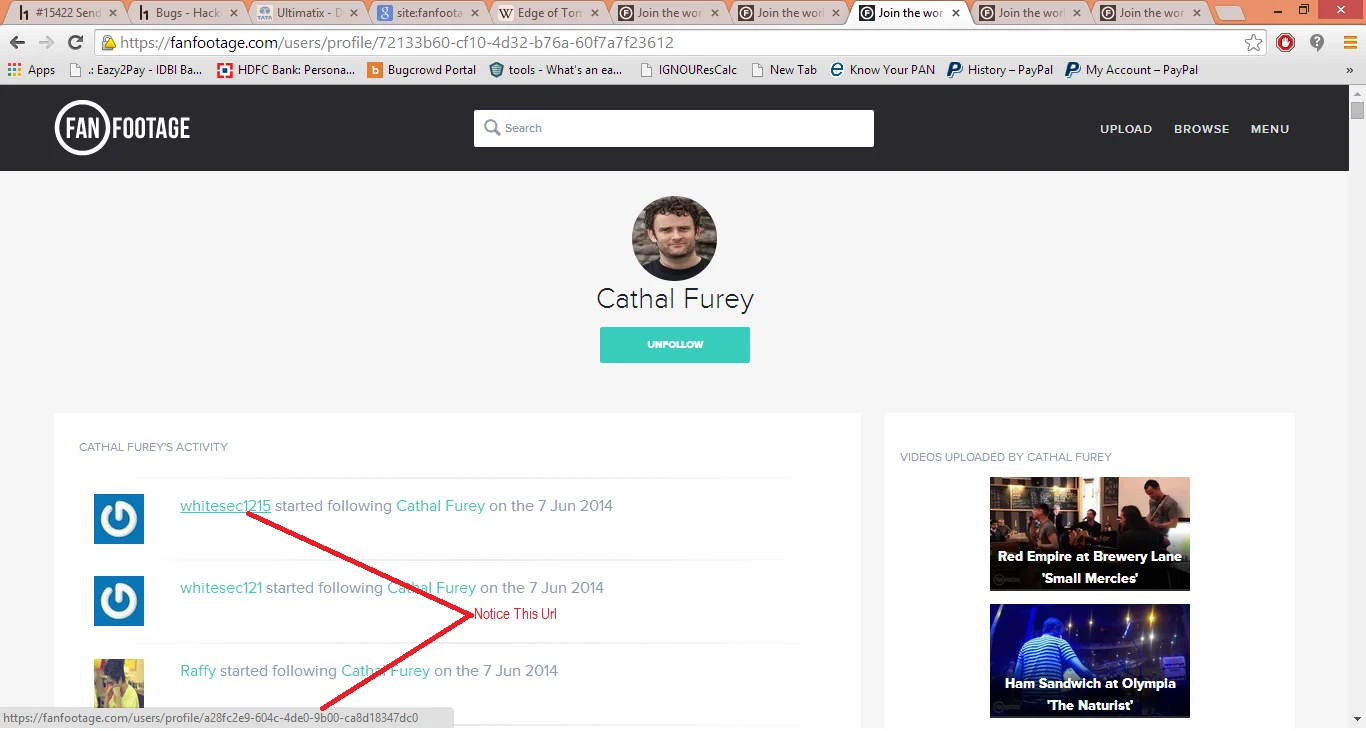
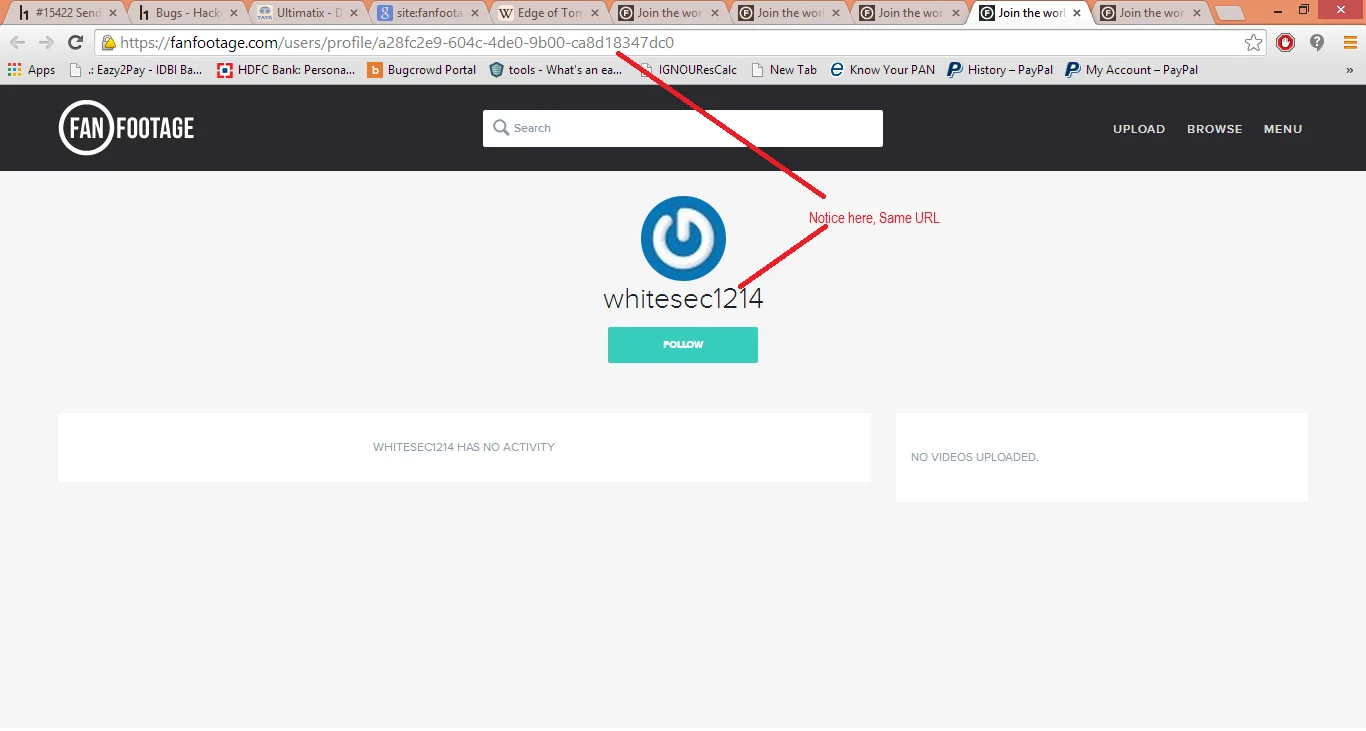
- The uuid parameter using which a user's profile is accessed is also controllable during signup. I can change that value during signup to a value already assigned to user. When I like any video or post any comment. The hyperlink to my userid will be the same as that of an existing user whose uuid value I have used. Depending upon how the values are fetched from database, The link to his user id may lead to my profile page or link to my userid lead to his profile page.
Screenshots attached.
Attachments
Not written yet. The AI write-up for this report has not been written yet. The Original tab links to the source.
How it worked
Root cause
Likely the signup endpoint accepted a client-supplied UUID without checking uniqueness or ignoring it in favour of a server-generated value, and usernames were not enforced as unique.
Impact
Depending on how the values are fetched from the database, a profile link could lead to the wrong user's page, which may cause confusion or misattribution of activity.
What the attacker needed
Ability to sign up; knowledge of an existing UUID
How it was found
- Sign up for a new account.
- During signup, set the UUID field to a value already used by an existing user.
- Like a video or post a comment so a profile link is generated.
- Observe that the generated link matches the existing user's identifier.
Explained by bugbounty.wiki with AI from the original and checked against quotes from it; it can still be wrong. Read the original before relying on a detail.
Not written yet. The AI write-up for this report has not been written yet. The Original tab links to the source.
Every account usually has a hidden identifier (a UUID) that the site uses to build links to your profile. Here the signup form let a person type in that identifier themselves, and it did not check whether someone else already had it. So two accounts could share the same identifier, and a link meant for one person might open the other person's page.
What is IDOR?
One user can read or change another user's data, usually by changing an identifier the server trusts without checking who is asking. One of the most paid bug classes on web programs.


