IDOR Leads To Account Takeover Without User Interaction
A profile update endpoint identified users only by an ID in the request, so changing that ID to another user's value let an attacker alter the victim's username (which is their email). The attacker could then trigger a password reset to the new address and take over the victim's account without any interaction from them.

- Triaged in 41 days
- Fixed in 12 months
- Disclosed after 13 months
Summary:
Hello Team,
There's IDOR Bug on this subdomain mtnmobad.mtnbusiness.com.ng leads to account takeover, More details check the Poc.
Steps To Reproduce:
- Create two accounts on
mtnmobad.mtnbusiness.com.ngand both accounts verify the emails from your email inbox - Login to attacker account on Browser A Go to update Profile Try to update the address for example and Capture the Request with burp send it to
Repeater
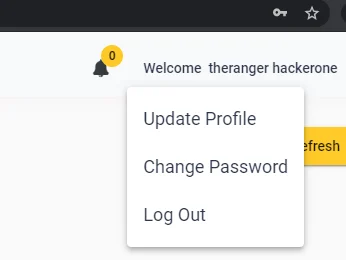
- Login to Victim account on browser B do the same to get the victim
IDyou can Grab his ID without sending this request toRepeater - Go to the Attacker Request You sent to
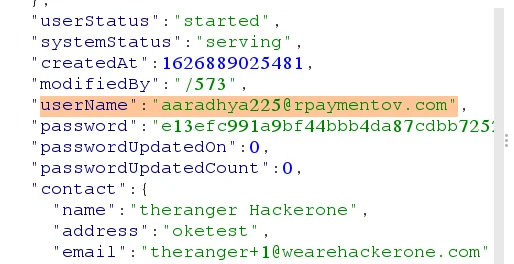
RepeaterChange/IDwith the Victim'sIDyou Grabbed From Step 3 Then changeEmailwith different email, you need to change theusernameparameter not theemailsee this screenshot, Leave the email as your attacker email. theusernameValue is email and just update that one.
- Go Reset the Password (act like you don't know the Pass XD), login and successfully account Takeover without User Interaction
Supporting Material/References:
--Check this Video :
Impact
Full account Takeover without user interaction
Not written yet. The AI write-up for this report has not been written yet. The Original tab links to the source.
How it worked
Root cause
Likely the profile update endpoint used a client-supplied user ID to decide which record to modify and did not verify that the record belonged to the authenticated user.
Impact
An attacker could take over another user's account without any action from the victim.
What the attacker needed
Two verified accounts; victim's user ID known; request interception proxy
How it was found
- Create two accounts and verify both email addresses.
- Log in as the attacker, start a profile address update, and capture the request in an intercepting proxy.
- Log in as the victim in a second browser and note the victim's ID from the same kind of request.
- In the captured attacker request, replace the ID with the victim's ID and change the username value (which is an email) to the attacker's email.
- Use the password reset flow and log in to confirm the takeover.
Explained by bugbounty.wiki with AI from the original and checked against quotes from it; it can still be wrong. Read the original before relying on a detail.
Not written yet. The AI write-up for this report has not been written yet. The Original tab links to the source.
Many websites put a number or identifier in a request to say which account is being edited. If the server trusts that number without checking that it belongs to the logged-in person, anyone can swap in someone else's number. Here the username field was actually the victim's email address, so changing it redirected the victim's password reset to the attacker.
What is IDOR?
One user can read or change another user's data, usually by changing an identifier the server trusts without checking who is asking. One of the most paid bug classes on web programs.



