DOM based XSS on
A DOM-based cross-site scripting flaw existed in a WordPress gallery plugin because it read the URL hash and inserted it into the page without sanitisation. An attacker could craft a link that, when opened by a logged-in administrator, would run script in the admin's browser.

- Disclosed after 6 days
Possible Remote code execution DOM based XSS
Vuln Jquery param : var strliID=jQuery(location).attr('hash');
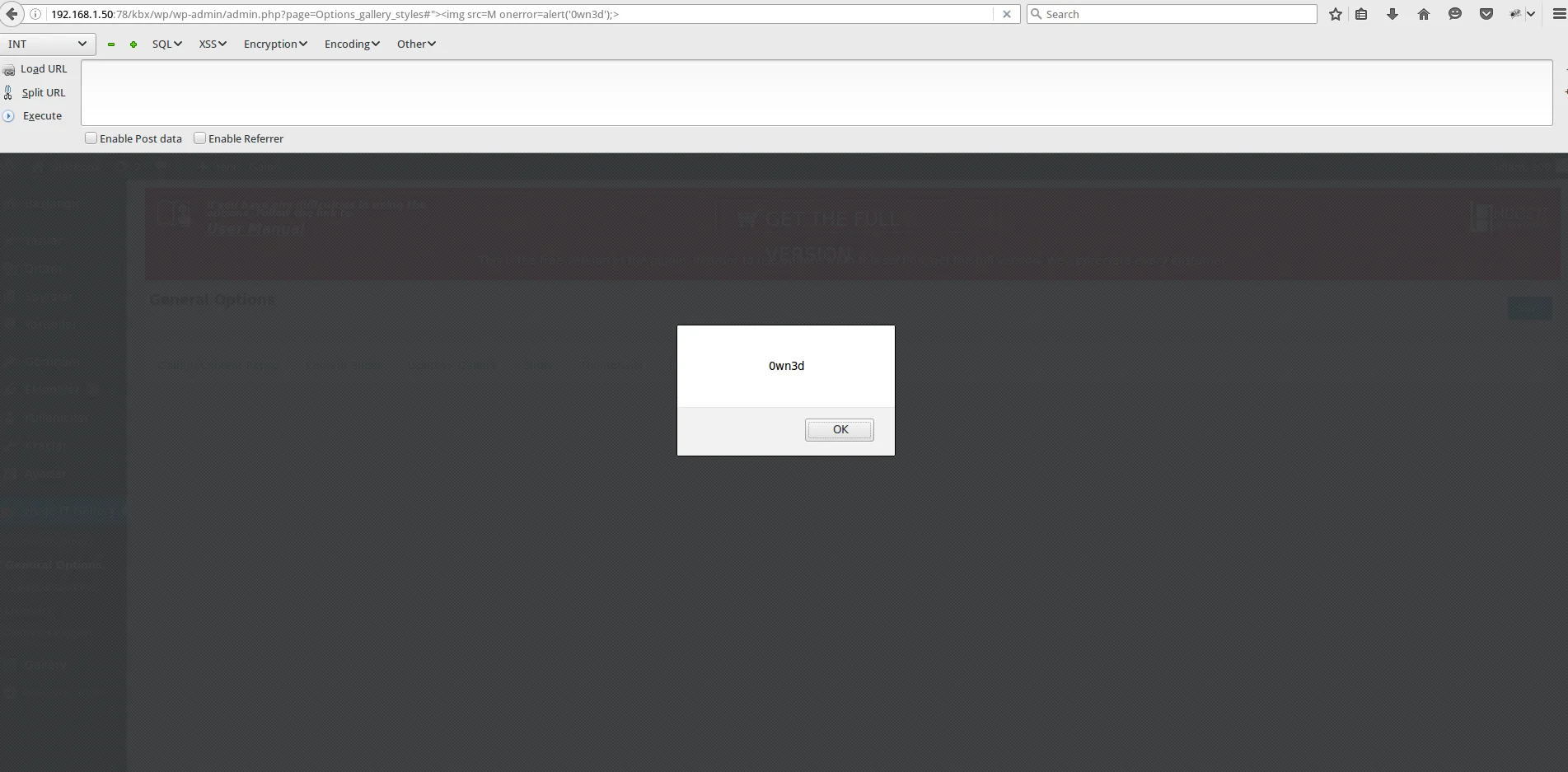
Target: Logged admin Go url >> https://drive.uber.com/melbourne/wp-admin/admin.php?page=Options_gallery_styles#"><img src=M onerror=alert('0wn3d');>
Solution : Upgrade latest version gallery plugin (Your version v1.9.55)
Test my localhost picture attached:
Regards..
Attachments
Not written yet. The AI write-up for this report has not been written yet. The Original tab links to the source.
How it worked
Impact
An attacker could run script in a logged-in administrator's browser via a crafted link.
What the attacker needed
Victim is a logged-in admin; victim clicks a crafted link
The fix
The report recommends upgrading the gallery plugin to the latest version.
Explained by bugbounty.wiki with AI from the original and checked against quotes from it; it can still be wrong. Read the original before relying on a detail.
Not written yet. The AI write-up for this report has not been written yet. The Original tab links to the source.
The plugin took part of the web address after the # symbol and put it straight into the page. Because it did not clean that text first, a crafted link could make the browser run attacker-supplied JavaScript. The victim would need to be a logged-in admin who clicks the link.
What is RCE?
Running the attacker's code on the target's servers: through command or code injection, unsafe deserialisation or template injection.