No Rate Limit in email leads to huge Mass mailings
The email instructions endpoint lacked rate limiting, allowing an attacker to send many requests and flood a victim's inbox with integration instruction emails. This could cause denial of service against email software or network resources.
 Originally disclosed on HackerOne
- Triaged in 45 hours
- Fixed in 3 months
- Paid in 35 days
- Disclosed after 6 months
Hi Team,
I have found a logical flaw(NOT DoS) in the website 'https://app.mopub.com/'
1.Use Burp Suite and capture below request upon navigation to Code integration 2.Click on Send button after entering email address in the input field of 'Enter one or more email addresses and we'll send you links to the integration instructions for this ad unit.' {code} POST /web-client/api/ad-units/email-instructions HTTP/1.1 Host: app.mopub.com User-Agent: Mozilla/5.0 (Windows NT 6.1; Win64; x64; rv:57.0) Gecko/20100101 Firefox/57.0 Accept: / Accept-Language: en-US,en;q=0.5 Accept-Encoding: gzip, deflate Referer: https://app.mopub.com/ad-unit?key=█████████&showIntegration=true Content-Type: application/json x-csrftoken: █████████ Content-Length: 88 Cookie: _ga=████; _gid=███; csrftoken=███; mp_mixpanel__c=8; sessionid=████████; mp_c99579c4804fba6b8aeed7a911581652_mixpanel=%7B%22distinct_id%22%3A%20%22405f9ac1ce5749abb6092834819b3ec4%22%2C%22accountKey%22%3A%20%22748a6b56971b4bdf94ea73e4cc35e93f%22%2C%22accessLevel%22%3A%20%22member%22%2C%22%24initial_referrer%22%3A%20%22https%3A%2F%2Fwww.mopub.com%2Fget-started%2F%22%2C%22%24initial_referring_domain%22%3A%20%22www.mopub.com%22%7D Connection: close
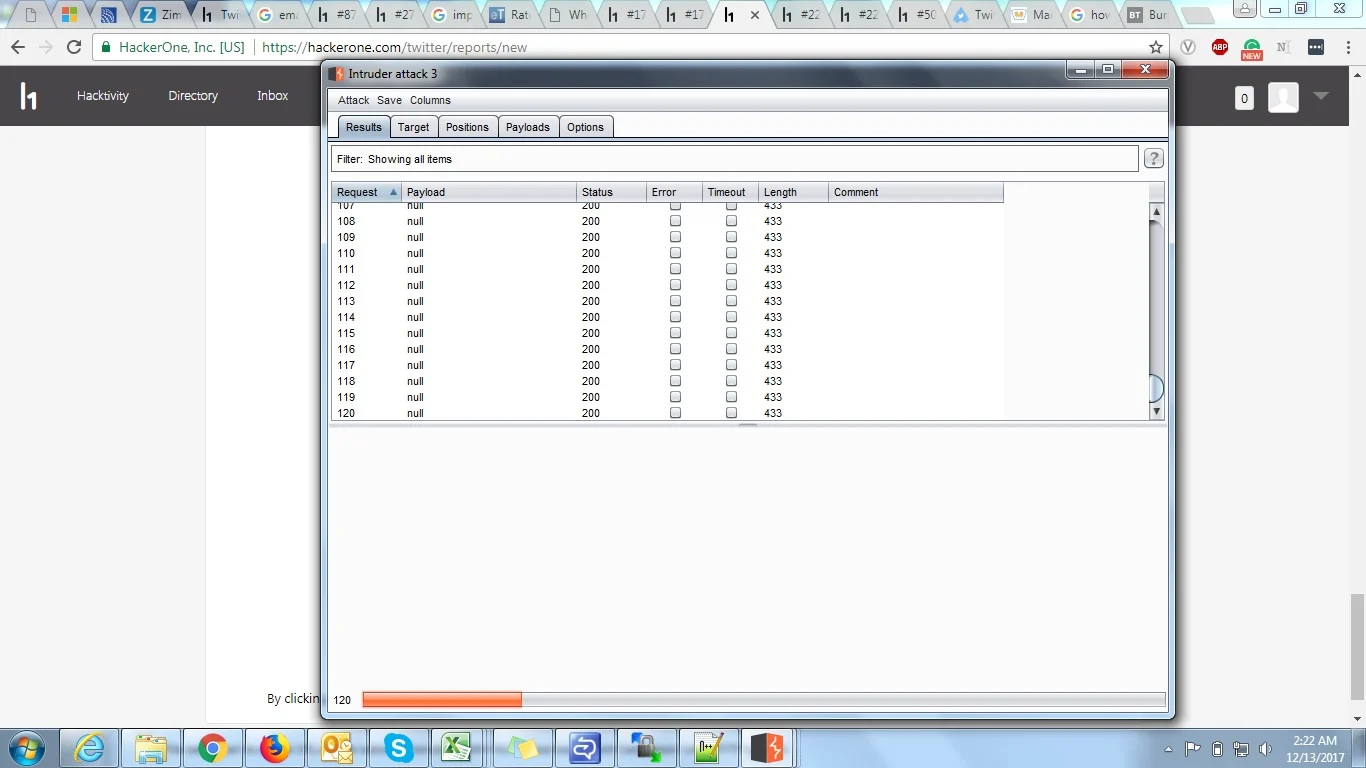
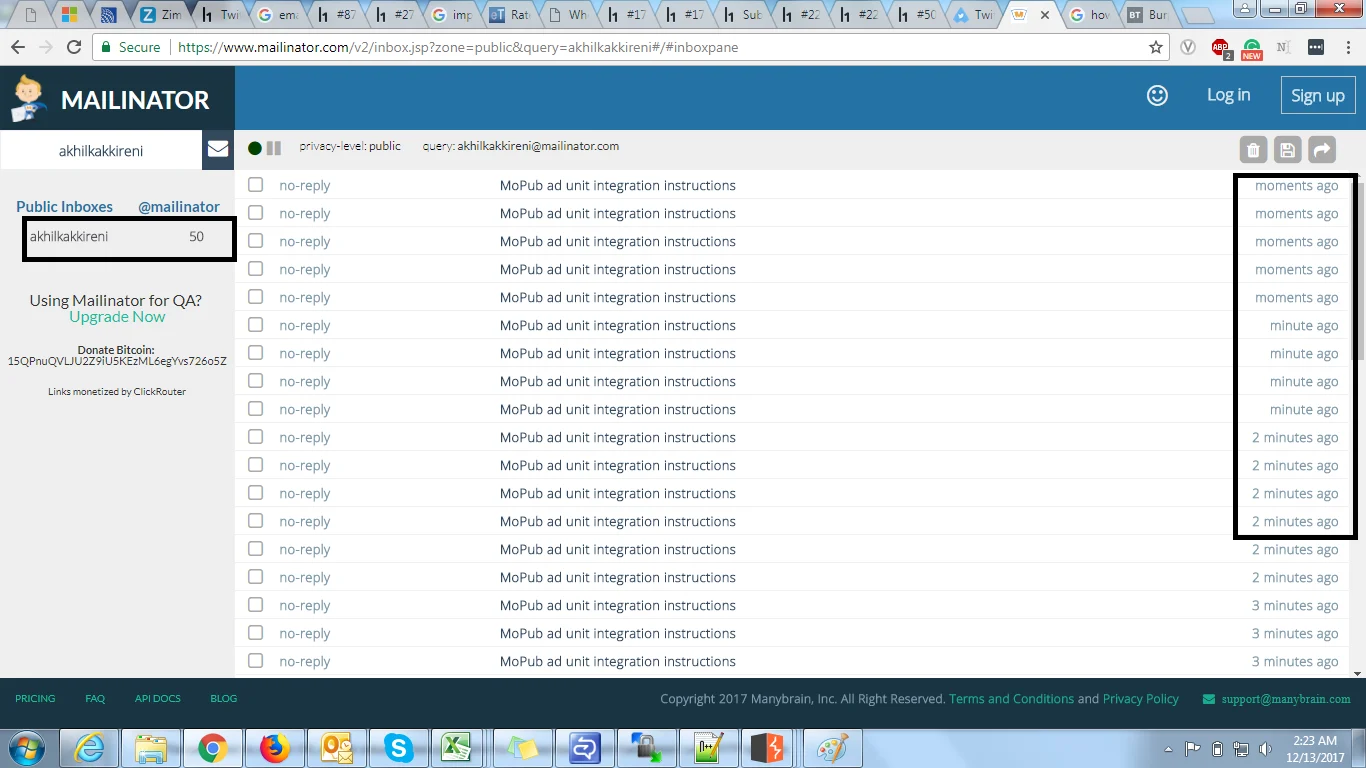
{"addresses":["§████@mailinator.com§"],"key":"███"} {code} 3.Send the captured request to INtruder and repeat the request in loop 4.Observe that email box is flooded with MoPub ad unit integration instructions
Remediation: Rate limiting should be implemented
Regards Akhil Kakkireni
Impact
E-mail bombs hack may create Denial of service (DoS) conditions against your e-mail software and even your network and Internet connection by taking up a large amount of bandwidth and, sometimes, requiring large amounts of storage space
Attachments
Not written yet. The AI write-up for this report has not been written yet. The Original tab links to the source.
How it worked
Root cause
Likely the endpoint that sends integration instruction emails did not enforce any rate limiting or throttling on requests.
Impact
An attacker could flood a victim's email inbox, potentially causing denial of service against email software, network, or storage resources.
What the attacker needed
A logged-in session; access to the Code integration page
How it was found
- Capture the request sent when using the 'Code integration' feature to send email instructions.
- Enter an email address and click Send.
- Send the captured request to Intruder and repeat it in a loop.
- Observe the email inbox being flooded with integration instruction emails.
Explained by bugbounty.wiki with AI from the original and checked against quotes from it; it can still be wrong. Read the original before relying on a detail.
Not written yet. The AI write-up for this report has not been written yet. The Original tab links to the source.
A website feature that sends emails to any address you type had no limit on how many times you could use it. An attacker could repeatedly ask the site to send the same email to someone, filling their inbox with unwanted messages. This is like someone repeatedly ordering pizza to your house without your permission.
What is DoS?
A request that exhausts resources or crashes a component. Many programs forbid testing it; reports usually show it from code, not by attacking.


