Attacker can access graphic representation of every query
A dashboard widget accepted a user-supplied query ID without checking ownership, so a user could point a widget at another customer's query. Although the widget rendered empty in the browser, a scheduled email export of the same widget delivered a PDF and image containing the other customer's data.

- Triaged in 36 hours
- Fixed in 8 days
- Paid in 36 hours
- Disclosed after 19 days
Vulnerability details
On a dashboard, widgets can be added to show a graphic representation of a query. These queries come from datasources. When creating a widget, a query ID is given. This query ID can be changed in order to obtain the results of the dataset through a scheduled email. This leaks (sensitive) information of other customers their dataset.
Proof of concept
Sign in as a normal user - I used my personal email address on the https://h1-bugbounty.bime.io domain. After creating your first dashboard, a POST request is sent to the /widgets.json endpoint. It'll look something like this:
POST /widgets.json HTTP/1.1
Host: h1-bugbounty.bime.io
...

{"title":"SUM(Dynamic Count) per ID","height":0,"position_x":0,"position_y":0,"width":0,"query_id":1052531,"tab_id":612224,"visualisation_type":"none","configuration":"<Properties><Config name=\"borderColor\" value=\"#787c82\"/><Config name=\"headerBackgroundColor\" value=\"#787c82\"/><Config name=\"headerColor\" value=\"#ffffff\"/><Config name=\"headerFontItalic\" value=\"false\"/><Config name=\"headerFontSize\" value=\"16\"/><Config name=\"headerFontUnderline\" value=\"false\"/><Config name=\"headerFontWeight\" value=\"false\"/><Config name=\"hidden\" value=\"false\"/><Config name=\"hideHeader\" value=\"false\"/><Config name=\"hideLoaders\" value=\"false\"/><Config name=\"hideWindowBorder\" value=\"false\"/><Config name=\"layout\" value=\"vertical\"/><Config name=\"numberOfLineHeader\" value=\"2\"/><Config name=\"position\" value=\"absolute\"/><Config name=\"roundedEdges\" value=\"0\"/><Config name=\"textForTextWidget\" value=\"\"/><Config name=\"textFontSize\" value=\"16\"/><Config name=\"zOrder\" value=\"0\"/></Properties>"}
Notice the query_id in the request. Change this ID to the query object that you want to see the data of. Now go to the web application and click on Dashboards in the left column. It'll look something like this:
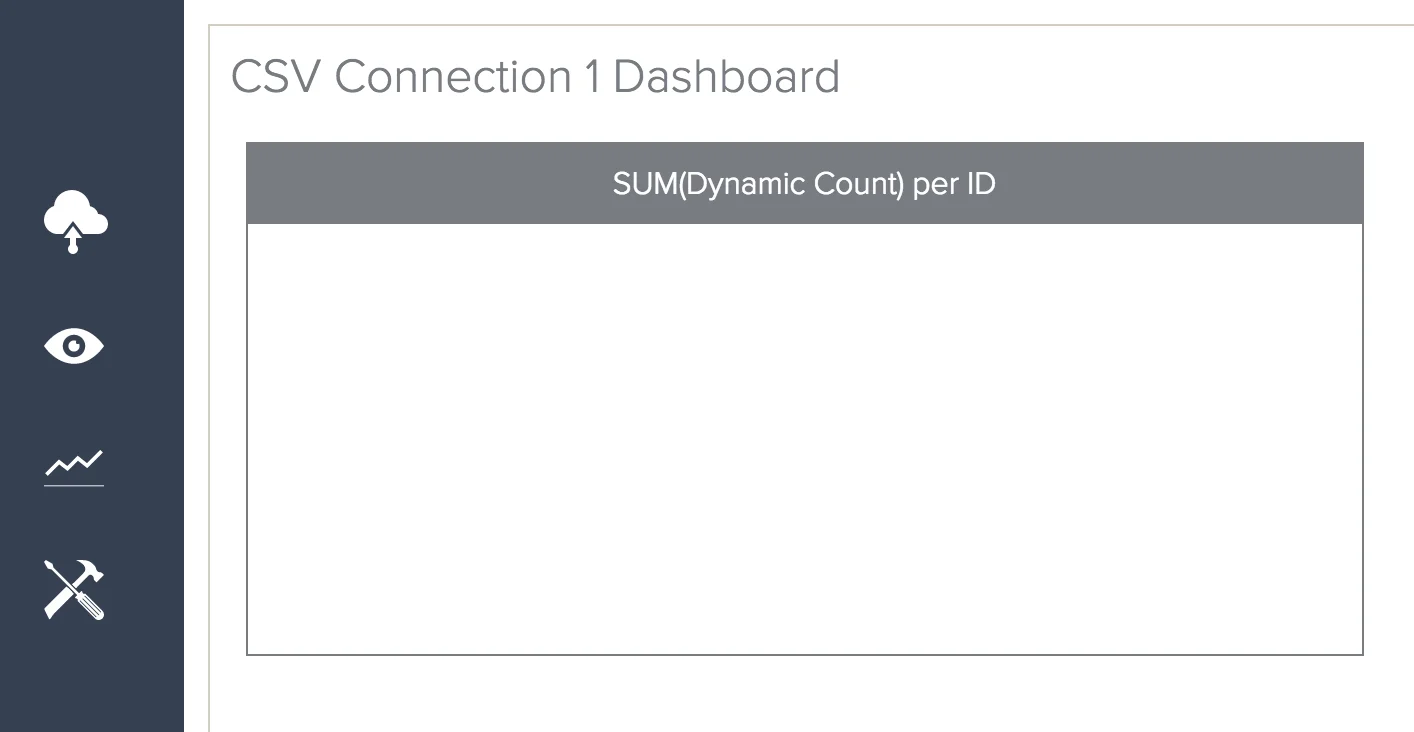
As you can see, there's an empty widget. This is caused by the fact that the user is not authorized to view the data. This is good. I tried exporting the data by clicking the Export button at the bottom. However, this does not leak the data, the images and PDFs I downloaded show up empty. This is also good. But when I scheduled an email reminder for every 5 minutes, and I waited 5 minutes, I received a PDF and image in my inbox that contained the actual data:
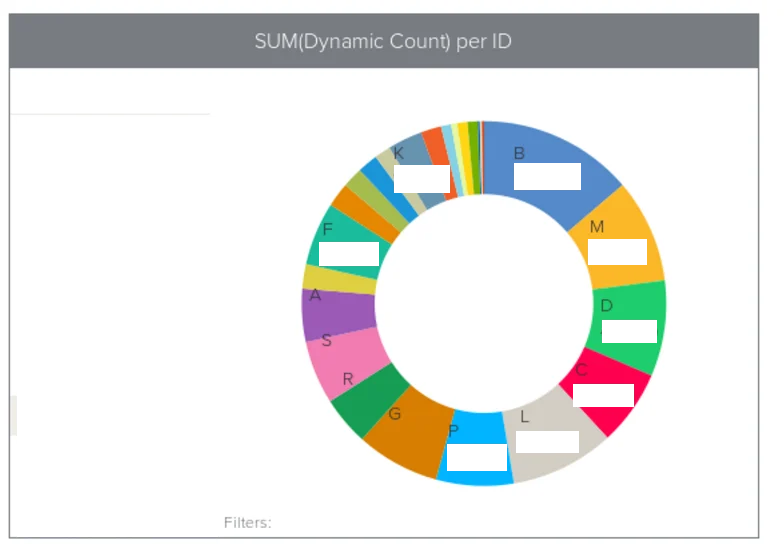
It seems that the authorization / authentication is implemented differently when executed asynchronous, which allows an attacker to obtain actual data from other customers' datasources and queries. Let me know if you need more information!
Not written yet. The AI write-up for this report has not been written yet. The Original tab links to the source.
How it worked
Root cause
Likely the widget creation endpoint did not verify that the supplied query ID belonged to the requesting user, and the asynchronous email export path applied weaker authorisation than the interactive view.
Impact
An authenticated user could read other customers' dataset contents through scheduled email exports, even though the interactive widget and manual export showed nothing.
What the attacker needed
A normal user account; ability to create a dashboard widget; ability to schedule email exports; knowledge of another query ID
How it was found
- Sign in as a normal user and create a first dashboard, which sends a POST request to the widgets endpoint.
- Note the query_id value in the request body.
- Change the query_id to another query object's ID.
- Observe the widget renders empty in the web application.
- Schedule an email reminder for every five minutes and wait.
- Receive a PDF and image by email containing the other customer's data.
Explained by bugbounty.wiki with AI from the original and checked against quotes from it; it can still be wrong. Read the original before relying on a detail.
Not written yet. The AI write-up for this report has not been written yet. The Original tab links to the source.
A dashboard lets you build small panels (widgets) that show charts of data. Each widget refers to a saved query by a number, and the server trusted whatever number the user sent instead of checking that the query belonged to them. The normal screen hid the data, but the background job that emails a report did not check, so the data leaked by email.
What is IDOR?
One user can read or change another user's data, usually by changing an identifier the server trusts without checking who is asking. One of the most paid bug classes on web programs.


