Host Header Injection/Redirection Attack
The application accepted an arbitrary Host header and redirected the user to that host, so an attacker could send a crafted request that made the site redirect to a domain they control. The reporter notes this could also be abused where the hostname is used in password reset emails or links, though no such exploitation is shown.

- Disclosed after 4 hours
Hello,
I'm sorry for adding this, please allow me to close if you do not accept the risk involved.
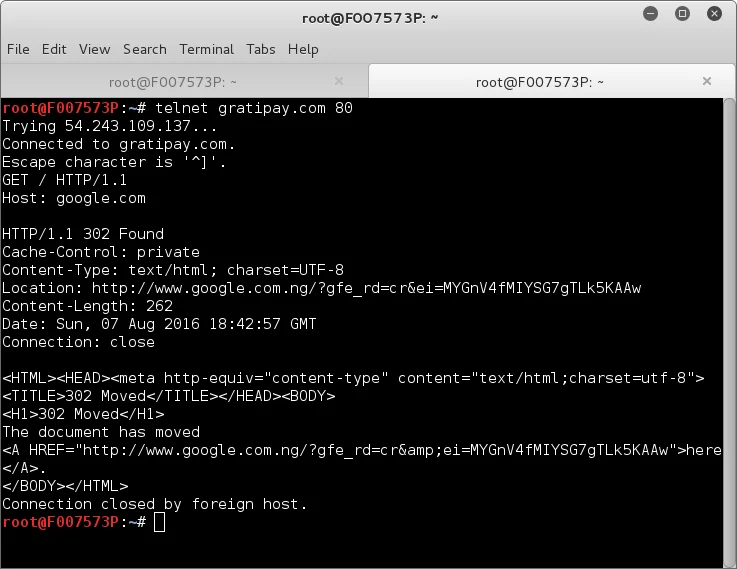
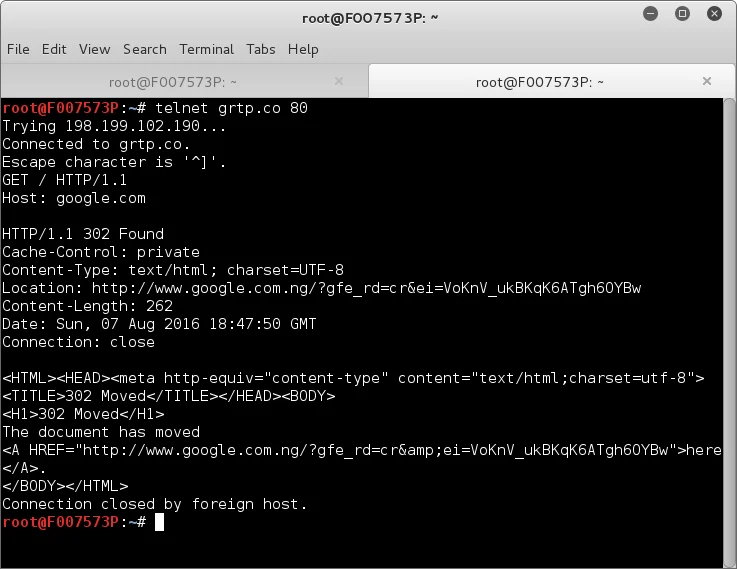
Gratipay is vulnerable to host header injection because the host header can be changed to something outside the target domain (ie. gratipay.com and grtp.co) and cause it to redirect to to that domain instead.
Attack vectors are somewhat limited but depends on how the host header is used by the back-end application code. If code references the hostname used in the URL such as password reset pages, an attacker could spoof the host header of the request in order to trick the application to forwarding the password reset email to the attackers domain instead, etc. Other attack vectors may also be possible through manipulation of hyperlinks or other misc. code that relies on the host/domain of the request.
PoC:
Regards, Shuaib Oladigbolu
Attachments
Not written yet. The AI write-up for this report has not been written yet. The Original tab links to the source.
How it worked
Root cause
Likely the application used the client-supplied Host header to build redirect URLs without validating it against an allowlist of expected domains.
Impact
An attacker could cause the site to redirect users to an attacker-controlled domain, and potentially poison password reset emails or links, though the report only demonstrates the redirection and does not show account takeover.
What the attacker needed
Ability to send a custom Host header
Explained by bugbounty.wiki with AI from the original and checked against quotes from it; it can still be wrong. Read the original before relying on a detail.
Not written yet. The AI write-up for this report has not been written yet. The Original tab links to the source.
The site accepted a Host header naming another domain and redirected to it, which an attacker could use to send people to a different site.
What is RCE?
Running the attacker's code on the target's servers: through command or code injection, unsafe deserialisation or template injection.






