nginx SPDY heap buffer overflow for https://grtp.co/
The SPDY module in nginx versions 1.3.15 to 1.4.6 and 1.5.x before 1.5.12 contains a heap buffer overflow. A remote attacker could send a crafted request to potentially execute arbitrary code in a worker process.
 Originally disclosed on HackerOne
- Triaged in 29 hours
- Disclosed after 36 hours
A heap-based buffer overflow in the SPDY implementation in nginx 1.3.15 before 1.4.7 and 1.5.x before 1.5.12 allows remote attackers to execute arbitrary code via a crafted request. The problem affects nginx compiled with the ngx_http_spdy_module module (which is not compiled by default) and without --with-debug configure option, if the "spdy" option of the "listen" directive is used in a configuration file. This vulnerability affects Web Server.
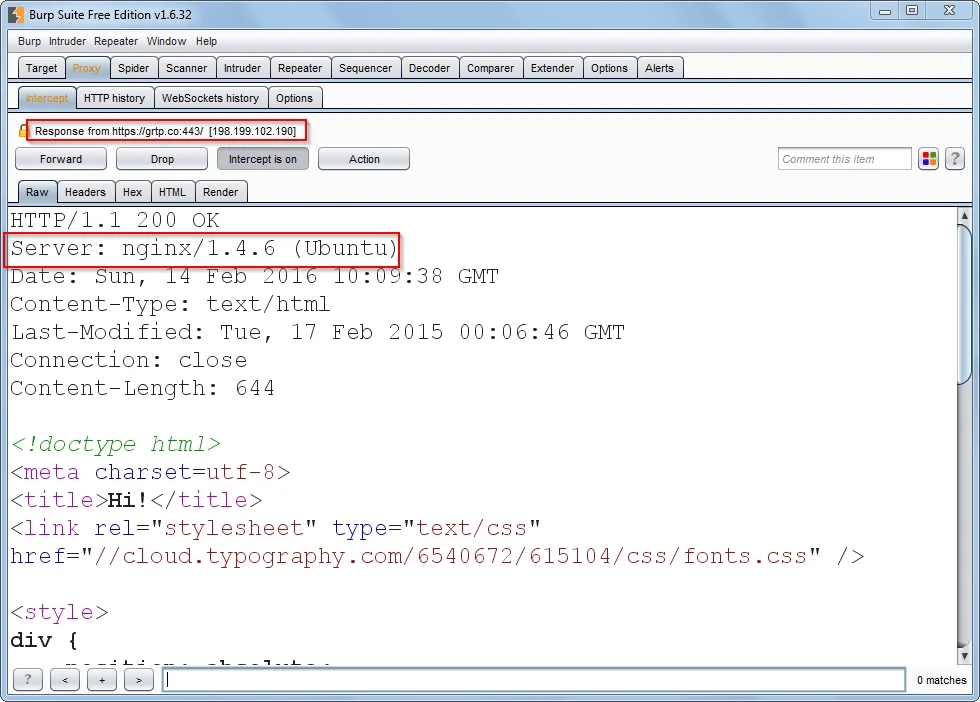
Current version is : nginx/1.4.6
The impact of this vulnerability: An attacker can cause a heap memory buffer overflow in a worker process by using a specially crafted request, potentially resulting in arbitrary code execution.
How to fix this vulnerability: Upgrade nginx to the latest version of apply the patch provided by the vendor.
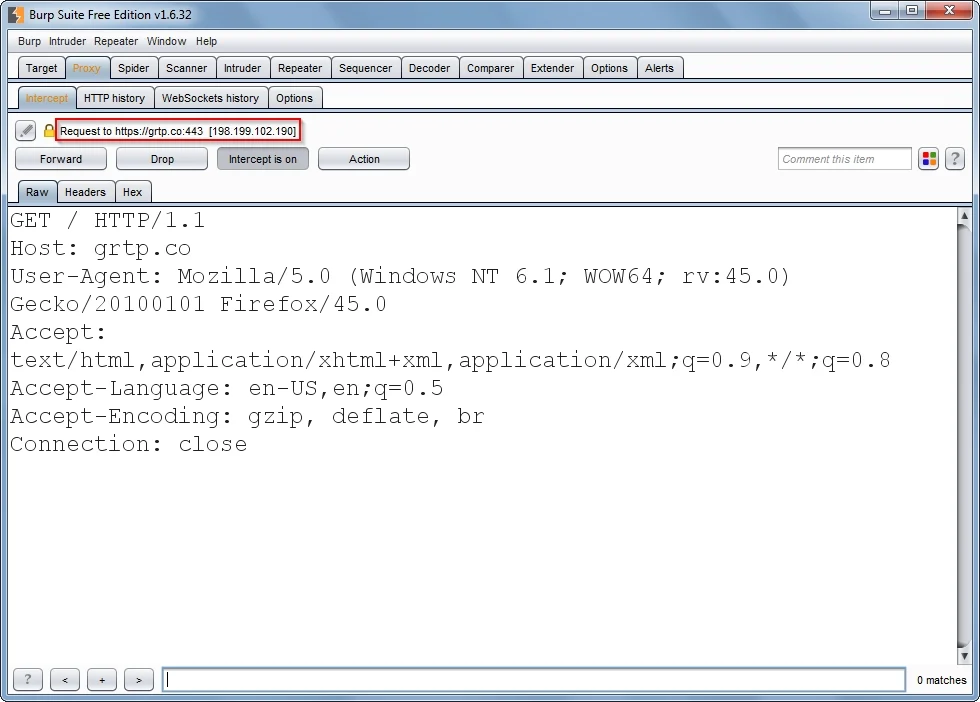
Screenshots attached for the reference.
Attachments
Not written yet. The AI write-up for this report has not been written yet. The Original tab links to the source.
How it worked
Root cause
Likely a missing bounds check when parsing SPDY request data in the ngx_http_spdy_module, allowing a heap buffer overflow.
Impact
An attacker could cause a heap buffer overflow in a worker process, potentially leading to arbitrary code execution; the issue only affects servers compiled with the SPDY module, without debug, and with SPDY enabled on a listen directive.
What the attacker needed
Nginx compiled with SPDY module; SPDY enabled on a listen directive; nginx built without --with-debug
The fix
Upgrade nginx to the latest version or apply the vendor patch.
Explained by bugbounty.wiki with AI from the original and checked against quotes from it; it can still be wrong. Read the original before relying on a detail.
Not written yet. The AI write-up for this report has not been written yet. The Original tab links to the source.
A buffer overflow happens when a program writes more data into a fixed-size memory area than it can hold, which can corrupt nearby memory. Here, nginx's SPDY feature mishandles a specially crafted request, so an attacker might be able to run their own code on the server. SPDY is an older protocol for speeding up web traffic.
What is Memory corruption?
Native code reads or writes memory it should not: overflows, use-after-free, type confusion. The core of browser, kernel and parser bugs.


