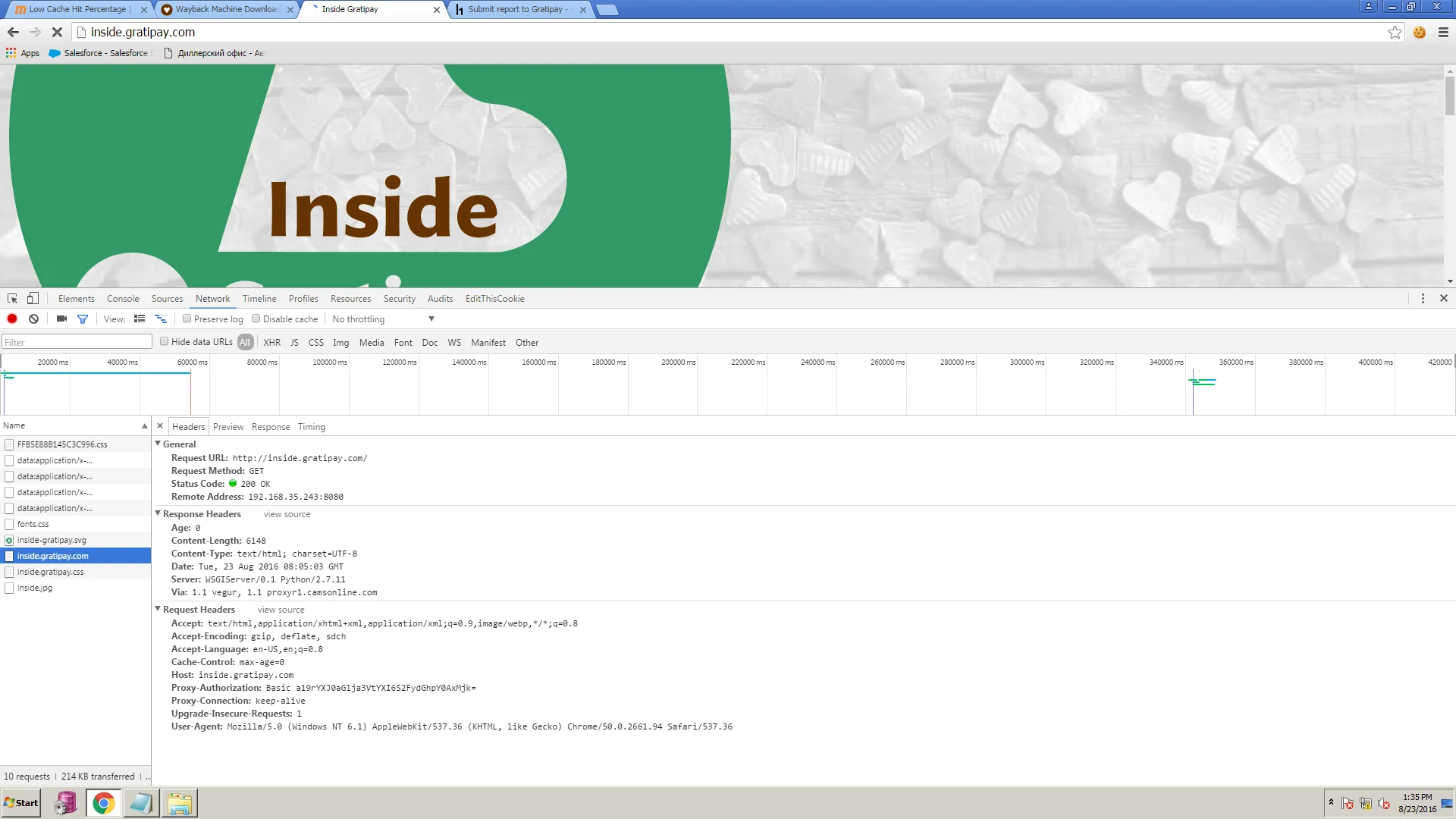
x-xss protection header is not set in response header
The response headers from the site did not include the X-XSS-Protection header, which asks browsers to turn on their built-in reflected XSS filter. The reporter does not show any actual cross-site scripting vulnerability, only the absence of this optional header.

- Disclosed after 11 months
URL : http://inside.gratipay.com/
Description : This header enables the Cross-site scripting (XSS) filter built into most recent web browsers. It's usually enabled by default anyway, so the role of this header is to re-enable the filter for this particular website if it was disabled by the user. This header is supported in IE 8+, and in Chrome (not sure which versions). The anti-XSS filter was added in Chrome 4. Its unknown if that version honored this header.
Solution : Need to set X-XSS-Protection: 1; mode=block in response header
Attachments
Not written yet. The AI write-up for this report has not been written yet. The Original tab links to the source.
How it worked
Root cause
Likely the web server or application framework was not configured to send the X-XSS-Protection response header.
Impact
The missing header may reduce defence-in-depth against reflected XSS in older browsers, but no actual vulnerability or exploit is demonstrated.
What the attacker needed
None
Explained by bugbounty.wiki with AI from the original and checked against quotes from it; it can still be wrong. Read the original before relying on a detail.
Not written yet. The AI write-up for this report has not been written yet. The Original tab links to the source.
Browsers used to have a built-in filter that tried to block some cross-site scripting attacks, where a malicious link makes a site run an attacker's script. A response header called X-XSS-Protection could switch that filter on. This report only notes the header was missing; it does not show any real attack working.
What is XSS?
Script an attacker supplies runs in another user's browser, on the target's origin, with that user's session.