Broken link hijacking in https://kubernetes-csi.github.io/docs/drivers.html?highlight=chubaofs#production-drivers
A documentation page on the Kubernetes CSI site linked to an external GitHub repository that no longer existed, so the link returned a 404. An attacker could register a GitHub account and repository matching the broken link, so visitors clicking the ChubaoFS entry would land on attacker-controlled content.
 Originally disclosed on HackerOne
- Triaged in 2 days
- Fixed in 21 days
- Paid in 3 days
- Disclosed after 52 days
Report Submission Form
Summary:
When a web application has any pages, sources, links to external 3rd party services and are broken then the attacker can claim those endpoints to successfully conduct the attack and claim those endpoints on behalf of the target website and impersonate his identity.
Steps To Reproduce
- Visit
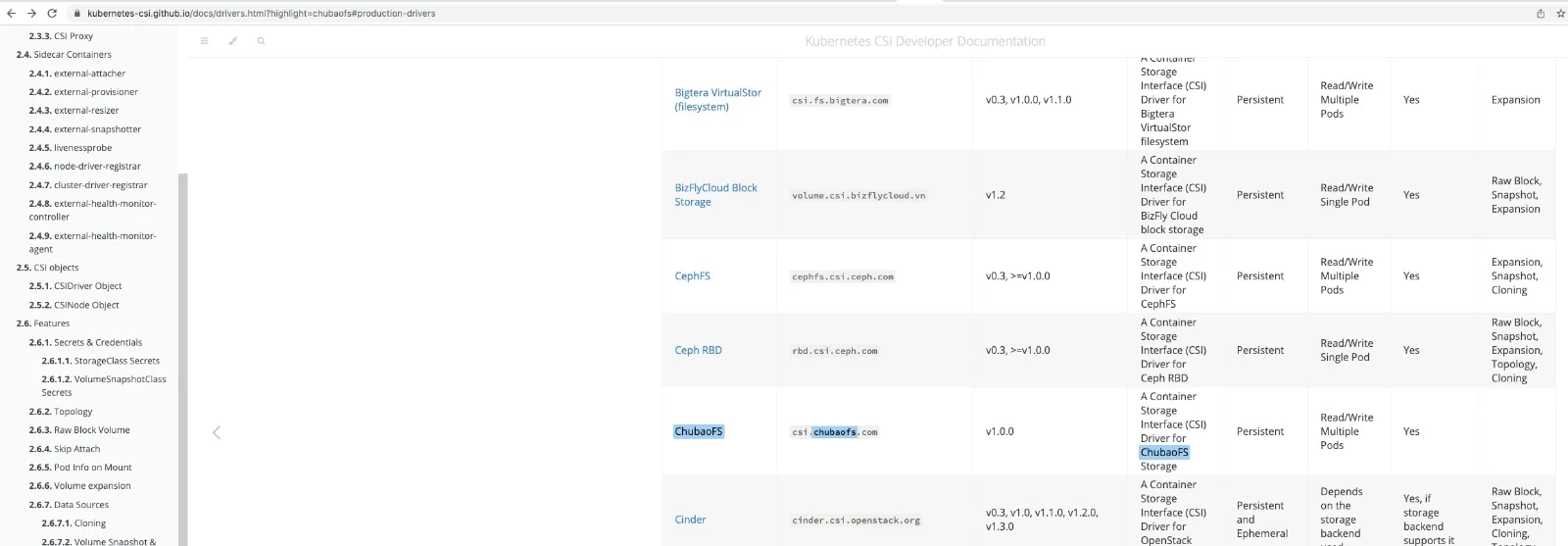
https://kubernetes-csi.github.io/docs/drivers.html?highlight=chubaofs#production-drivers - Search for ChubaoFS
- Click on that link
(Steps I followed --> Click Link
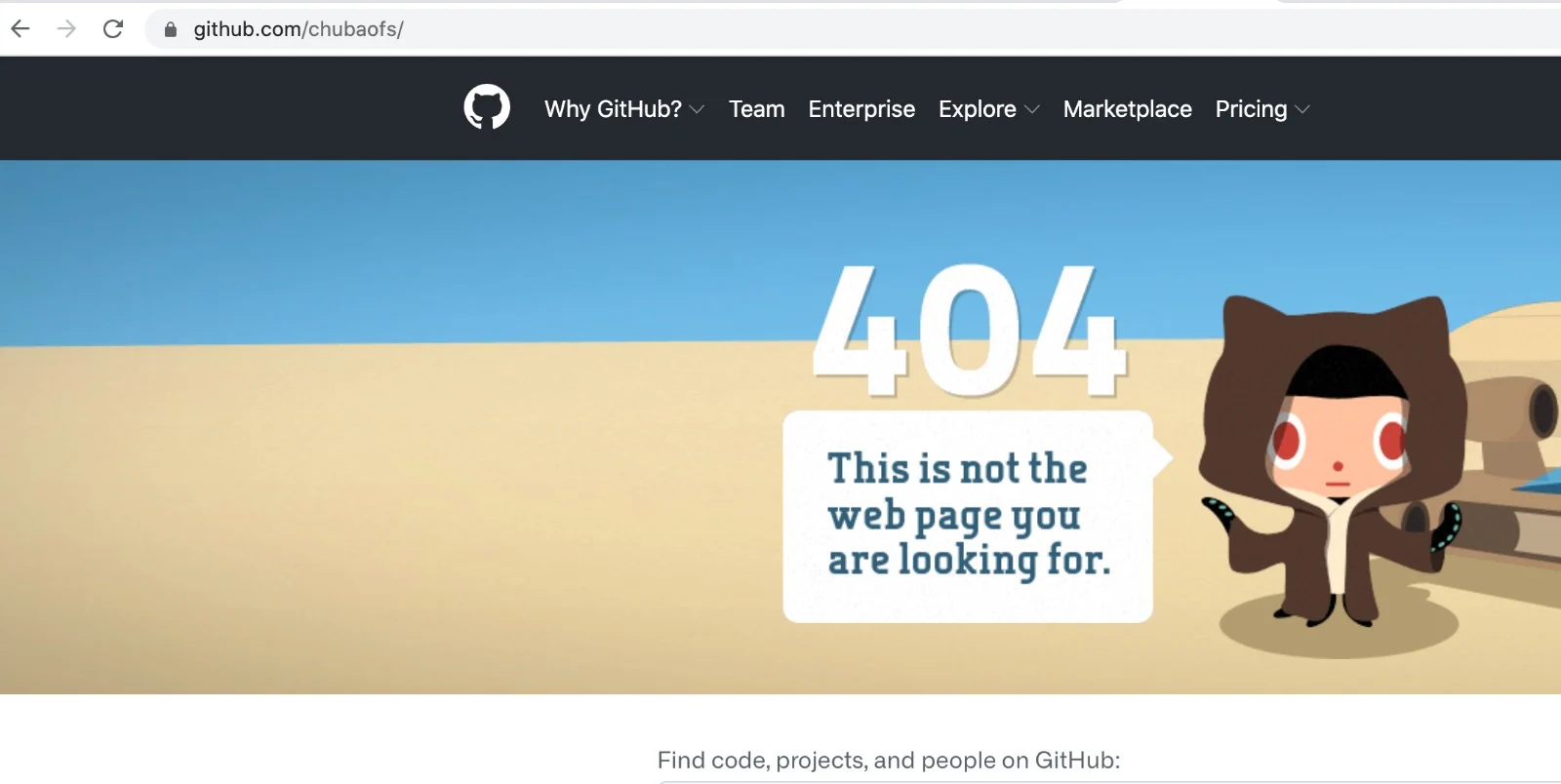
404 Error
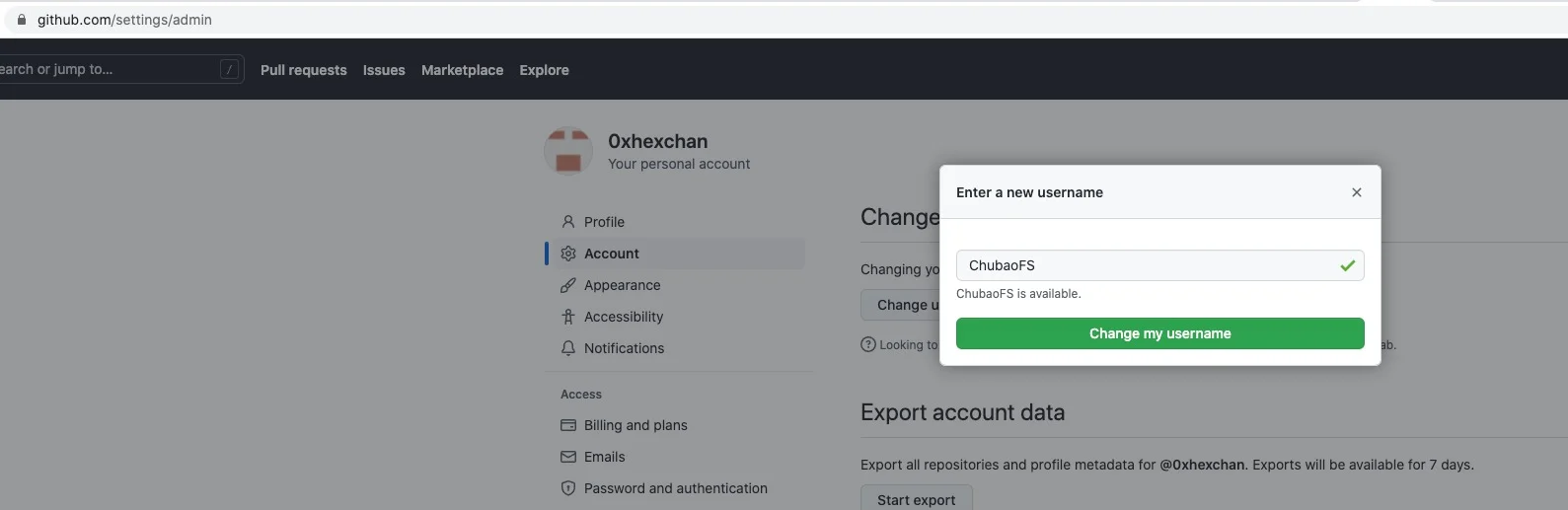
Change my Username to match the broken link
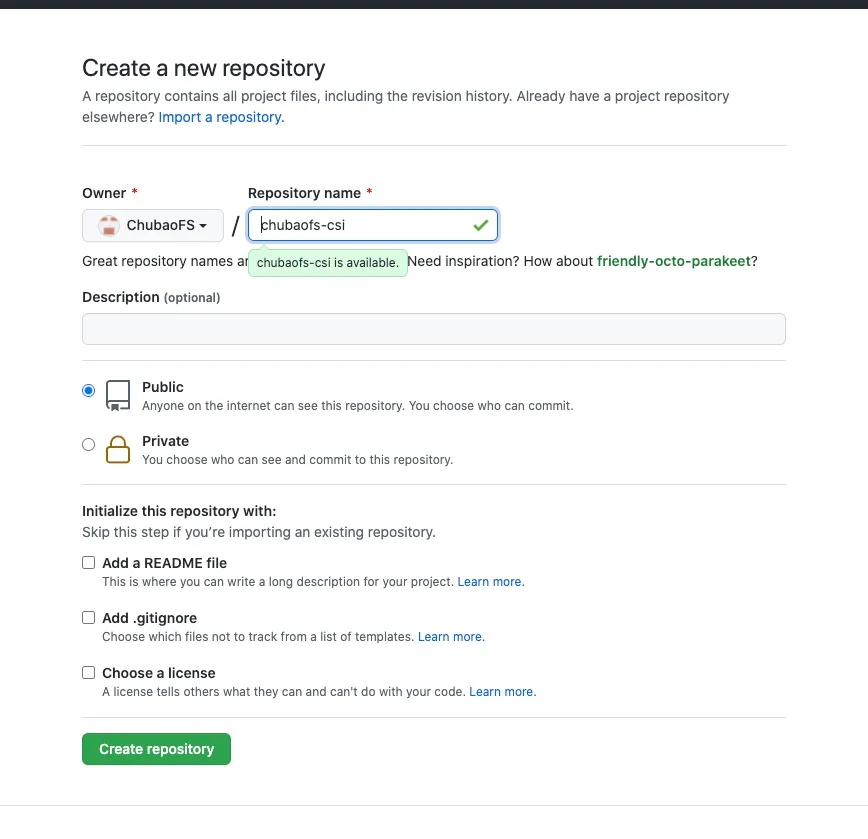
Create the required repo.
- You will be redirected to My github repo
- When someone clicks on the ChubaoFS link they will be redirected to the attacker repository
Supporting Material/References:
https://hackerone.com/reports/1031321https://hackerone.com/reports/1117079https://edoverflow.com/2017/broken-link-hijacking/
Impact
The user will install the wrong drivers which leads to impersonation attacks. The attacker can install Ransomware, trojan, etc.
Context
The target is the Kubernetes CSI documentation site, kubernetes-csi.github.io, and specifically the production drivers page at https://kubernetes-csi.github.io/docs/drivers.html?highlight=chubaofs#production-drivers. That page lists container storage interface drivers, each entry pointing readers to the driver's own project, in this case ChubaoFS. The page is documentation: its job is to send a visitor to the correct upstream project so they can read about and install the driver.
The bug class is broken link hijacking. When a site links to an external service and that link no longer resolves, whoever registers the abandoned endpoint can stand in for the target and inherit the trust the documentation page confers on it.
Setup
The report describes no special tooling, no accounts on the target and no versions. The only precondition is a GitHub account whose username can be changed to match the broken link, which the researcher demonstrates. The attack is carried out entirely from the public documentation page and GitHub.
Finding it
The researcher visited the production drivers page, searched the page for ChubaoFS and followed the ChubaoFS link. The link was broken: it returned a 404. A documentation link that points at a resource nobody owns any more is the entry point for this class of attack, because the destination is claimable by anyone.
Exploitation
Step 1: Visit the drivers page and locate the link
https://kubernetes-csi.github.io/docs/drivers.html?highlight=chubaofs#production-drivers
The URL carries a highlight=chubaofs query parameter and a #production-drivers fragment. Searching the page for ChubaoFS and clicking the link is the whole of the interaction with the target.
Step 2: Observe the 404
Following the link produced a 404 error, confirming that the destination the documentation points to no longer exists.
Step 3: Claim the broken link
The researcher changed their GitHub username to match the broken link.
Step 4: Create the repository
With the username in place, the researcher created the repository the link expects.
Step 5: Confirm the redirect
After the repository existed, following the ChubaoFS link on the documentation page redirected to the researcher's GitHub repository. Any visitor who clicks the ChubaoFS link is now sent to the attacker-controlled repository.
Root cause
The documentation page links to an external third-party resource that no longer resolves. The destination was claimable by anyone who registered the matching name. The trust relationship runs the wrong way: readers trust the documentation page, and the page delegates that trust to an endpoint it does not control. The report does not describe any monitoring or link-checking that would have caught the dead link.
Impact
The report frames the impact around installation: a user following the ChubaoFS link will install the wrong drivers, which leads to impersonation attacks, and the attacker can install ransomware, trojans and similar payloads. The severity assigned to the report was low, with a bounty of 100.00 USD. The impact depends on a visitor trusting the documentation link and acting on what they find at the destination; the report does not show any such installation taking place.
Fix
Variants to test
Hunting notes
The researcher showed impact by taking the claimable name, creating the expected repository and demonstrating that the documentation link now redirects there, which turns an abstract dead link into a concrete hijack that a reviewer can reproduce. The report cites three references for the technique: https://hackerone.com/reports/1031321, https://hackerone.com/reports/1117079 and https://edoverflow.com/2017/broken-link-hijacking/.
What happened, in plain words
A documentation website for Kubernetes storage drivers had a link to an outside project called ChubaoFS. That outside project no longer existed at the address the link pointed to, so the link led to a "page not found" error. The researcher changed their GitHub username to match the broken link, created the repository the link expected, and the documentation page then sent visitors to their repository.
This kind of problem is called broken link hijacking. The everyday comparison is a signpost in a town centre that points to "the bakery". If the bakery closes and someone else opens a shop at the same address with the same name, the signpost now sends people to the new shop, even though the town council never meant to advertise it. Visitors trust the signpost, so they trust whoever is standing at the end of it.
The target and the bug class
The site in question is kubernetes-csi.github.io, the documentation site for Kubernetes CSI. Kubernetes is a system for running software in containers across many machines, and CSI stands for Container Storage Interface, a standard way for storage systems to plug into Kubernetes. The page involved is the production drivers page, which links to the ChubaoFS project.
The page is pure documentation. Its only job is to send a visitor to the correct upstream project. That is exactly why a broken link there matters: readers trust the page, and the page passes that trust on to whatever sits at the other end of the link.
Broken link hijacking means taking over an external link on a trusted site after the original destination has become free for anyone to claim. The attacker does not break into the target at all. They simply register the abandoned name and inherit the trust the target's page gives it.
Setup
The report describes no special tools, no accounts on the target site and no software versions. The only thing needed is a GitHub account whose username can be changed to match the broken link, which the researcher demonstrates. GitHub is a website where people store and share code, and every user has a username that appears in the address of their profile and repositories. The whole attack happens from the public documentation page and from GitHub.
Finding it
The researcher opened the production drivers page, searched the page for ChubaoFS and clicked the ChubaoFS link. The link was broken and returned a 404. A 404 is the standard web response for "this address does not exist". A documentation link that points at something nobody owns any more is the entry point for this attack, because the destination can be claimed by anyone.
Exploitation
Step 1: Visit the drivers page and locate the link
https://kubernetes-csi.github.io/docs/drivers.html?highlight=chubaofs#production-drivers
This is a web address, and it has three parts worth understanding:
https://kubernetes-csi.github.io/docs/drivers.htmlis the page itself, the list of production drivers.?highlight=chubaofsis a query parameter. Everything after the?is extra information sent to the page. Here it tells the page to highlight the word "chubaofs" so the reader can spot the entry quickly.#production-driversis a fragment. Everything after the#tells the browser to jump down to the section with that name on the page.
Searching the page for ChubaoFS and clicking the link is the entire interaction with the target. Nothing is sent to the target beyond an ordinary page visit.
Step 2: Observe the 404
Following the link produced a 404 error. That confirms the destination the documentation points to no longer exists.
Step 3: Claim the broken link
The researcher changed their GitHub username to match the broken link, so the account now occupies the name the documentation still points at.
The researcher changed their GitHub username to match the broken link, so the documentation link led to their account. This is the heart of the attack: no hacking of the Kubernetes site takes place, only registration of a name that was left unclaimed.
Step 4: Create the repository
With the username in place, the researcher created the repository the link expects. A repository is a project folder on GitHub. Creating the repository made the documentation link redirect to the researcher's repository.
Step 5: Confirm the redirect
Once the repository existed, following the ChubaoFS link on the documentation page redirected to the researcher's GitHub repository. Any visitor who clicks the ChubaoFS link is now sent to the attacker's repository instead of the real project.
Root cause
The documentation page links to an external third-party resource that no longer resolves. The destination was claimable by anyone who registered the matching name. The trust runs the wrong way: readers trust the documentation page, and the page hands that trust to an address it does not control. The report does not describe any monitoring or link checking that would have caught the dead link.
Impact
The report frames the impact around installation. A user who follows the ChubaoFS link will install the wrong drivers, which leads to impersonation attacks, and the attacker can install ransomware, trojans and similar malicious software. Ransomware is software that locks or steals a victim's files and demands payment to release them, and a trojan is software that looks useful but carries a hidden harmful payload.
The severity assigned to the report was low, with a bounty of 100.00 USD. The impact depends on a visitor trusting the documentation link and acting on what they find at the destination. The report does not show any such installation actually taking place.
Fix
Variants to test
Hunting notes
The researcher showed impact by taking the claimable name, creating the expected repository and demonstrating that the documentation link now redirects there. That turns an abstract dead link into a concrete hijack that a reviewer can reproduce. The report cites three references for the technique:
https://hackerone.com/reports/1031321https://hackerone.com/reports/1117079https://edoverflow.com/2017/broken-link-hijacking/
Glossary
- 404: the standard web response meaning the requested address does not exist.
- Broken link hijacking: taking over an external link on a trusted site after its original destination has become free for anyone to claim.
- Bounty: a payment made by a company to a researcher who reports a valid security problem.
- Container: a packaged unit of software and its dependencies that runs in isolation on a machine.
- CSI (Container Storage Interface): a standard way for storage systems to plug into Kubernetes.
- Documentation site: a website whose purpose is to explain and link to software projects.
- Fragment: the part of a web address after
#, which tells the browser to jump to a named section of the page. - GitHub: a website for storing and sharing code, where every user has a username and every project has a repository.
- Kubernetes: a system for running and managing containers across many machines.
- Query parameter: the part of a web address after
?, carrying extra information to the page. - Ransomware: malicious software that locks or steals files and demands payment to release them.
- Recon: the early information-gathering phase of a security test.
- Repository: a project folder on GitHub, addressed by username plus repository name.
- Severity: a rating of how serious a security problem is.
- Trojan: software that appears useful but carries a hidden harmful payload.
- Username: the name that identifies a user on a platform such as GitHub and forms part of the addresses of everything they own.





