Broken Domain Link Takeover from kubernetes.io docs
A page in the Kubernetes documentation links to an external domain that is no longer registered. An attacker could buy the domain and host malicious content, potentially leading users to download malicious software.
 Originally disclosed on HackerOne
- Triaged in 43 hours
- Fixed in 2 months
- Paid in 40 days
- Disclosed after 3 months
Report Submission Form
Summary:
Kubernetes docs have Spanish translation available. One of the pages of the Portuguese doc has an external reference to a website . The website is not registered and can be purchased and used to host malicious content.
Kubernetes Version:
NA
Component Version:
NA
Steps To Reproduce:
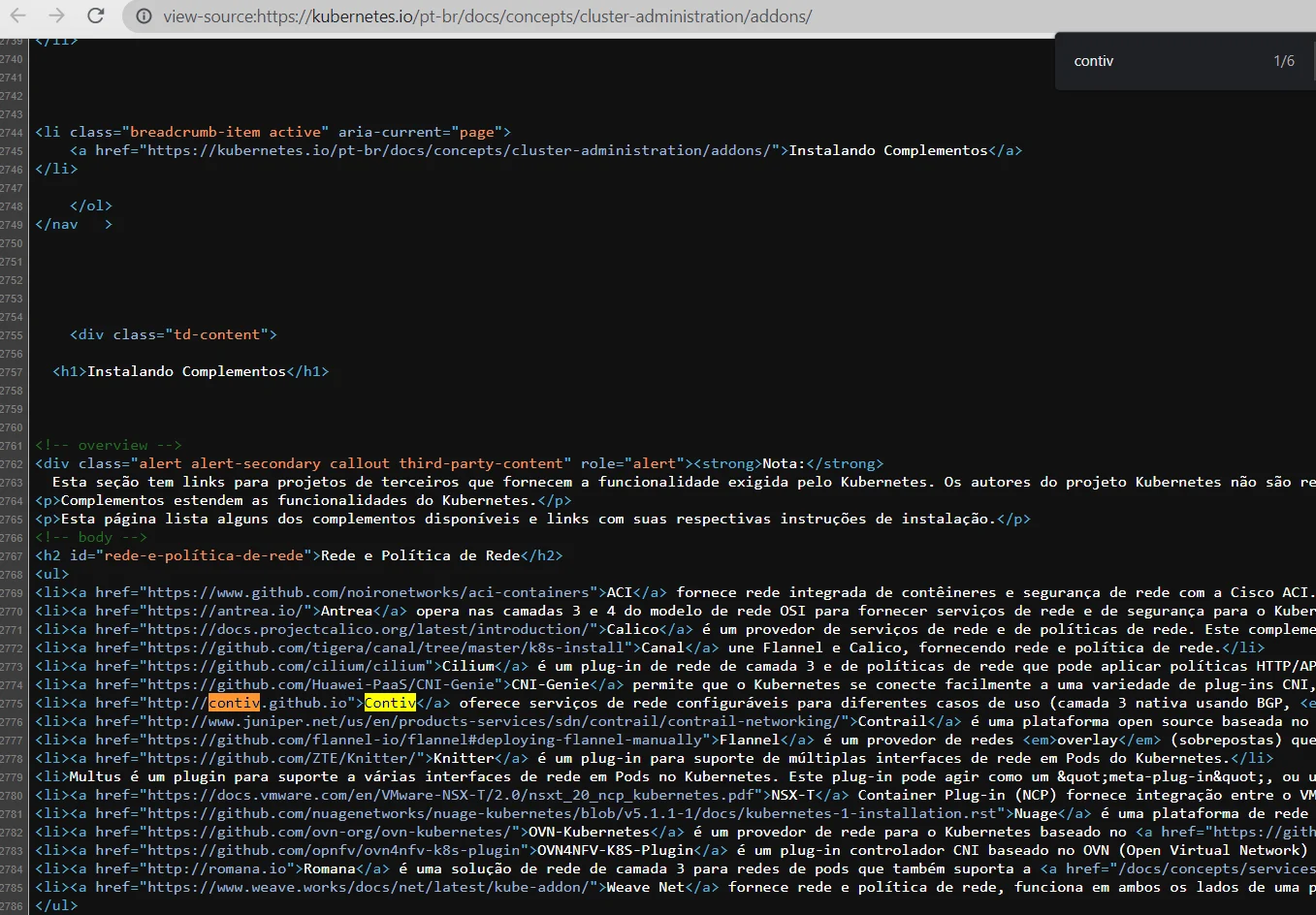
- Go to https://kubernetes.io/pt-br/docs/concepts/cluster-administration/addons/
- Search for
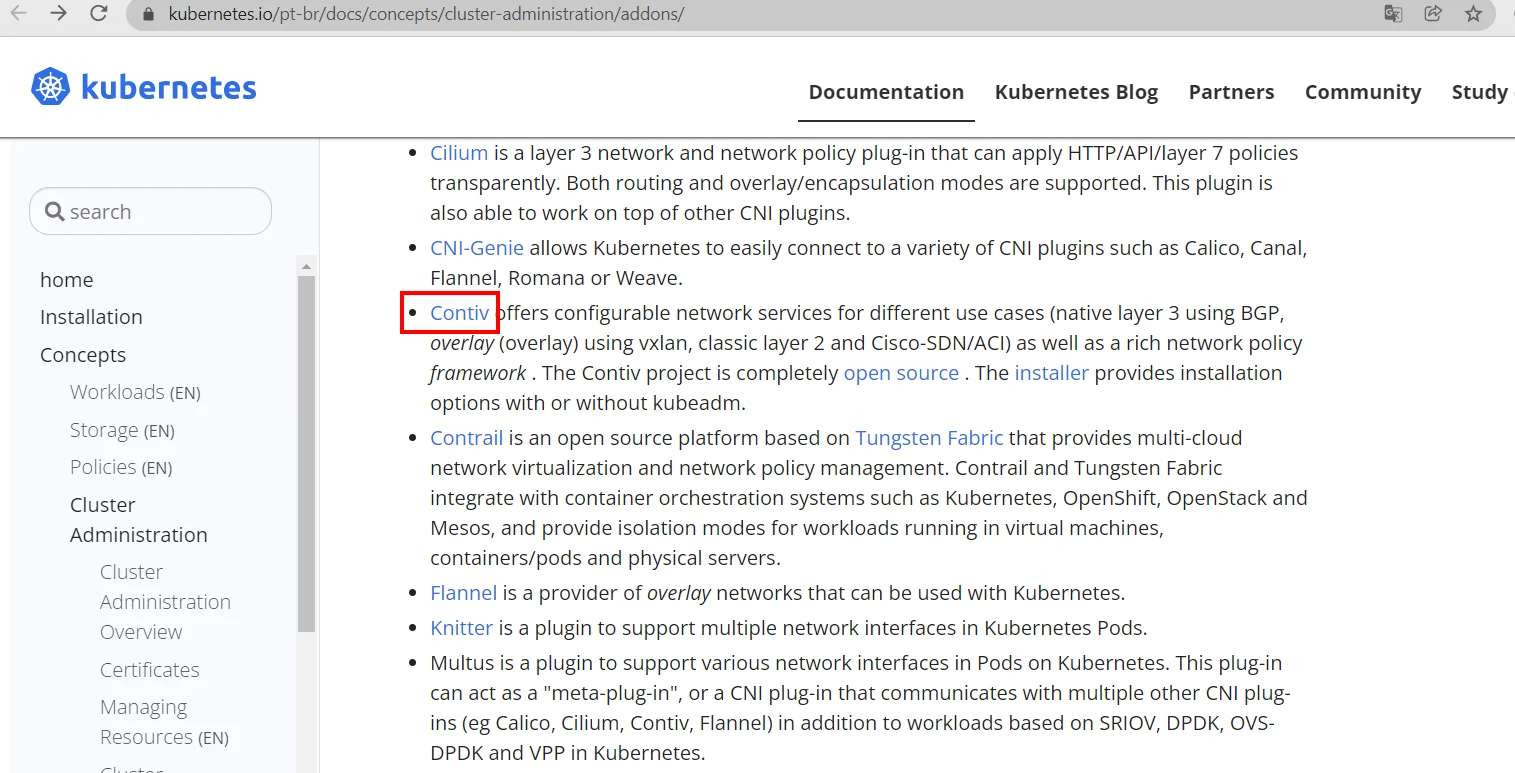
contiv - Click on 'Contiv`
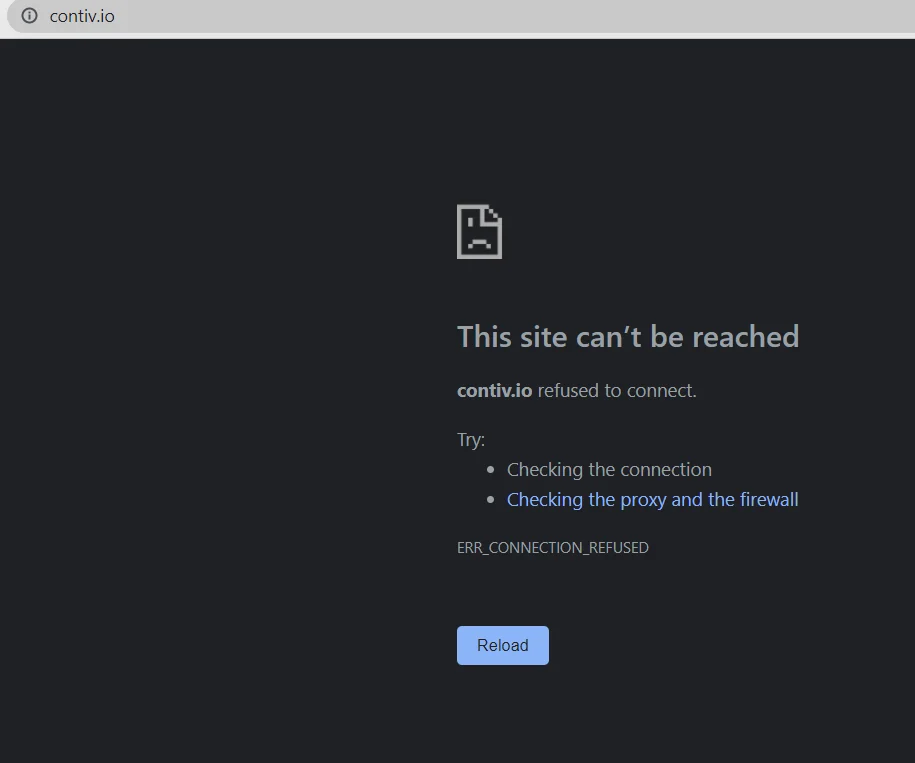
You will be redirected to https://contiv.io/ which does not exist...
Supporting Material/References:
Impact
As an attacker, I can host malicious content on the website. I can also, host malicious sdk or softwares, which user will think is part of the deployment docs as its referred in kubernetes.io, this can lead to RCE for users who are referring to this doc.
Attachments
Context
Kubernetes publishes its documentation on kubernetes.io, and parts of that documentation are translated into other languages. The Portuguese (pt-br) translation of the cluster administration addons page contains an outbound link to an external project website. That link is the subject of this report: the domain it points to was not registered at the time of testing, so anyone could buy it and control what visitors to the Kubernetes docs would see after clicking through.
The report is filed against the kubernetes.io asset in the Kubernetes bug bounty programme on HackerOne, rated low severity, with a 100 USD bounty, and disclosed on 2022-04-03. The weakness category recorded by the platform is "Insecure Temporary File", which does not describe the actual issue; the finding is a broken external link on a documentation page that is open to domain takeover.
Setup
No accounts, roles, special tools or software versions are needed. The report lists the Kubernetes version and component version as NA. The only precondition is a browser and the ability to check domain availability, which the researcher did through a GoDaddy domain search. The whole finding is reachable from a public documentation page with no authentication.
Finding it
The researcher noticed that one page of the Portuguese documentation carries an external reference to a website. Checking that website showed it was not registered. Because an unregistered domain can be purchased by anyone, the link in the official documentation could be made to point at content chosen by whoever buys it.
Exploitation
Step 1: Open the translated addons page
The starting point is the Portuguese translation of the cluster administration addons concept page:
https://kubernetes.io/pt-br/docs/concepts/cluster-administration/addons/
This is a normal documentation page; nothing about it is unusual except the outbound links it contains.
Step 2: Find the Contiv entry
On that page, search for contiv. The addons page lists Contiv among the available addons, and the entry links out to the project's site.
Step 3: Follow the link
Clicking the Contiv link takes the visitor to:
https://contiv.io/
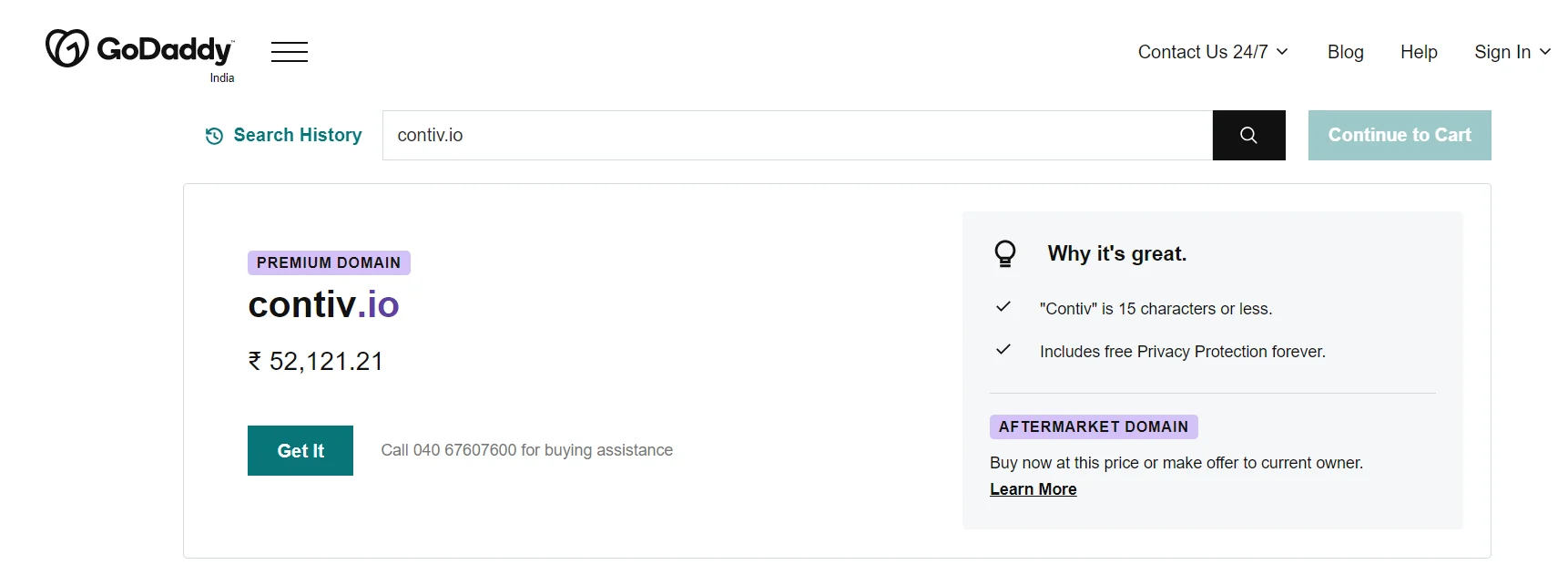
That domain does not exist. The researcher's supporting material lists the URL itself and a GoDaddy domain search confirming availability:
https://contiv.io/
https://in.godaddy.com/domainsearch/find?checkAvail=1&domainToCheck=contiv.io
The availability result is the core of the finding: the destination of a link published on kubernetes.io is free to register.
Step 4: Confirm the takeover is possible
Because the domain is unregistered, an attacker can buy it and put any content behind the link. The documentation page would then send readers to attacker-controlled material while still appearing to be an official Kubernetes reference. The report's attachments show the page and the link in context:
Root cause
The documentation contains an external URL for the Contiv addon, and that URL's domain was not registered. Nothing in the documentation build or review process checks that outbound links still resolve to a domain controlled by the intended project, so a dead link to an unregistered domain stayed live on an official site. The report does not describe how the link came to point at an unregistered domain.
Impact
As the researcher puts it, an attacker can host malicious content on the website. Beyond that, the attacker can host a malicious SDK or software that users will believe is part of the deployment documentation, because it is referred to from kubernetes.io. Users following the docs to deploy Contiv could download and run that material, which the researcher notes can lead to RCE for users who refer to this doc. The impact depends on a user clicking the link and trusting what they find there; the report does not claim any server-side compromise of Kubernetes infrastructure.
Fix
The report does not state what change was made. A remediation would be to update or remove the Contiv link on the pt-br addons page so it no longer points at an unregistered domain.
Variants to test
- Check every outbound link on translated documentation pages for domains that no longer resolve, using the same availability lookup the researcher used. A positive result is a link on the official site whose destination domain is unregistered and purchasable.
- Compare translations against the primary language page: a link removed or updated upstream may still exist in a translation. A positive result is a stale external reference present only in a translated version.
- Look for links to project domains that have changed ownership or lapsed, especially for smaller or discontinued addons. A positive result is a domain that resolves to content unrelated to the project the docs describe.
Hunting notes
This kind of bug hides in documentation and other content-heavy properties where external links are written by hand and rarely revisited: translated pages, addon and integration lists, tutorials and blog posts. During recon, the signal is an outbound link whose domain does not resolve, or resolves to a parking page, combined with confirmation that the domain is available for registration. The dead link sits in a deployment guide, so a reader would reasonably treat whatever appears at that domain as part of the official instructions, and hosted SDKs or software could lead to RCE for users following the doc. That chain from official documentation to attacker-controlled downloads is what makes a broken link worth reporting rather than ignoring.
What happened, in plain words
Kubernetes is a large open-source system for running software across many computers, and it publishes its instructions on a website called kubernetes.io. Those instructions are translated into several languages, including Portuguese (the report uses the short code pt-br). One of the Portuguese pages lists optional add-ons, which are extra pieces of software you can install to give Kubernetes more abilities. One entry on that list, for a project called Contiv, contains a link to the project's own website.
That link points to a web address, contiv.io, that nobody owned at the time of testing. A web address like this is called a domain, and a domain is simply a name you rent, a bit like renting a shop sign on a street. If the shop closes and stops paying the rent, anyone else can rent the same sign and put their own shop behind it. The researcher checked with a domain seller (GoDaddy) and found that contiv.io was free to buy. So anyone could pay for it, put whatever they liked on it, and every reader who clicked the Contiv link on the official Kubernetes documentation would land on that person's content, believing it was part of the official instructions.
The report was filed in the Kubernetes bug bounty programme on HackerOne, a platform where people report security problems to companies. It was rated low severity, paid a 100 USD bounty, and was disclosed on 2022-04-03. The platform recorded the weakness as "Insecure Temporary File", which does not describe this issue at all; what was actually found is a broken external link on a documentation page that someone else could take over by buying the domain.
Setup
You need nothing special to follow this: no account, no password, no hacking tool, no particular software version. The report lists the Kubernetes version and the component version as NA, meaning not applicable. All you need is a web browser and a way to check whether a domain name is available, which the researcher did through a GoDaddy domain search page. The whole finding is reachable from a public documentation page that anyone can open without logging in.
Finding it
The researcher noticed that one page of the Portuguese version of the Kubernetes documentation contains a reference to an outside website. Checking that website showed it was not registered. Because an unregistered domain can be bought by anyone, the link in the official documentation could be made to point at content chosen by whoever buys it.
Exploitation
Step 1: Open the translated addons page
The starting point is the Portuguese translation of the page that describes cluster administration add-ons:
https://kubernetes.io/pt-br/docs/concepts/cluster-administration/addons/
This is an ordinary documentation page. Nothing about it is unusual except the links it contains that lead to other websites.
Step 2: Find the Contiv entry
On that page, search for contiv. The add-ons page lists Contiv among the available add-ons, and the entry links out to the project's own site. Searching for the name is simply a way to jump straight to the relevant line instead of reading the whole page.
Step 3: Follow the link
Clicking the Contiv link takes the visitor to:
https://contiv.io/
That domain does not exist. The researcher's supporting material lists the URL itself and a GoDaddy domain search confirming that the name is available:
https://contiv.io/
https://in.godaddy.com/domainsearch/find?checkAvail=1&domainToCheck=contiv.io
The first line is the address the documentation sends readers to. The second is a search page at GoDaddy, a company that sells domain names; the part after domainToCheck= is the name being looked up, and the result shows it can be registered. That availability result is the heart of the finding: the destination of a link published on kubernetes.io is free for anyone to buy.
Step 4: Confirm the takeover is possible
Because the domain is unregistered, an attacker can buy it and put any content behind the link. The documentation page would then send readers to material controlled by the attacker while still looking like an official Kubernetes reference. The report's attachments show the page and the link in context:
Root cause
The documentation contains the full external address for the Contiv add-on, and that address's domain was not registered. Nothing in the process of building or reviewing the documentation checks that outgoing links still point to a domain controlled by the intended project, so a dead link to an unregistered domain stayed live on an official site. The report does not describe how the link came to point at an unregistered domain.
Impact
In the researcher's words, an attacker can host malicious content on the website. Beyond that, the attacker can host a malicious SDK or software that users will believe is part of the deployment documentation, because it is referred to from kubernetes.io. An SDK is a set of code libraries that developers download and build into their own programs. Users following the docs to deploy Contiv could download and run that material, which the researcher notes can lead to RCE, short for remote code execution, meaning an attacker's code runs on the victim's machine, for users who refer to this doc. The impact depends on a user clicking the link and trusting what they find there; the report does not claim any break-in to Kubernetes' own servers.
Fix
The report does not state what change was made. A remedy would be to update or remove the Contiv link on the pt-br add-ons page so it no longer points at an unregistered domain.
Variants to test
- Check every outgoing link on translated documentation pages for domains that no longer resolve, using the same availability lookup the researcher used. A positive result is a link on the official site whose destination domain is unregistered and can be bought.
- Compare translations against the main language page: a link removed or updated in the original may still exist in a translation. A positive result is an out-of-date external reference present only in a translated version.
- Look for links to project domains that have changed owner or lapsed, especially for smaller or discontinued add-ons. A positive result is a domain that now shows content unrelated to the project the docs describe.
Hunting notes
This kind of bug hides in documentation and other content-heavy sites where external links are typed in by hand and rarely revisited: translated pages, add-on and integration lists, tutorials and blog posts. During recon, the early survey of a target, the signal is an outgoing link whose domain does not resolve, or resolves to a parking page, a placeholder page a registrar shows for an unused name, combined with confirmation that the domain is available to register. The dead link sits in a deployment guide, so a reader would reasonably treat whatever appears at that domain as part of the official instructions, and hosted SDKs or software could lead to RCE for users following the doc. That chain from official documentation to attacker-controlled downloads is what makes a broken link worth reporting rather than ignoring.
Glossary
- Kubernetes: an open-source system for running and managing software across many computers.
- kubernetes.io: the official website where Kubernetes publishes its documentation.
- pt-br: the short code for Brazilian Portuguese, used here to mark the translated version of a page.
- Add-on: an optional extra piece of software you can install to give a system more features.
- Contiv: the add-on project whose website link appears on the documentation page.
- Domain: a name you rent on the internet, such as
contiv.io, that points visitors to a website. - Domain takeover: buying an unregistered or lapsed domain that someone else's page still links to, so you control where that link sends people.
- Lapse: when a domain's owner stops paying for it and the name becomes available again.
- Bug bounty: a programme that pays people for reporting security problems to a company.
- HackerOne: the platform where this report was filed and later disclosed.
- Severity: a rating of how serious a reported issue is; this one was rated low.
- Bounty: the money paid to the researcher for a valid report; here 100 USD.
- Disclosed: made public, with the report visible to anyone.
- CVSS: a standard scoring system for rating vulnerabilities; no score is given here.
- Weakness category: the label the platform attaches to a report; here it says "Insecure Temporary File", which does not match the actual issue.
- Asset: the thing being tested, in this case the kubernetes.io website.
- NA: short for not applicable, used when a field does not apply.
- GoDaddy: a company that sells domain names, used here to check whether
contiv.iowas available. - SDK: a set of code libraries that developers download and include in their own software.
- RCE (remote code execution): when an attacker's code runs on someone else's machine.
- Recon: the early stage of research where you survey a target for weak points.
- Parking page: a placeholder page shown for a domain that is registered but not in use.
- Documentation pipeline: the automated steps that build and publish a documentation site.





