One Click to Compromise -- Fun With ClickOnce Deployment Manifests
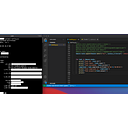
ClickOnce deployment manifest files, when opened or browsed to in Internet Explorer, cause the ClickOnce runtime to contact an attacker-chosen server and complete an NTLM authentication before any security warning is shown, leaking the user's NTLMv2 challenge-response hash. The same manifests can also deliver and run a .NET payload after the user clicks through a warning, giving code execution.
 Published on blog.redxorblue.com
I submitted a report to MSRC regarding the hash-disclosure vulnerability associated with ClickOnce deployment manifests. After review I got a response back earlier in July where it was noted that the vulnerability did not meet the bar for immediate servicing and was given the green light to disclose.
The full write-up lives on its author's site
It belongs to its author, so we link to it rather than copy it. The other two tabs are our own rewrites, checked against it.
Not written yet. The AI write-up for this write-up has not been written yet. The Original tab links to the source.
How it worked
Root cause
Likely the ClickOnce runtime automatically performs an NTLM authentication to the remote host named in the deployment manifest during its version check, before any security prompt is displayed.
Impact
An attacker could capture an NTLMv2 hash over HTTP with no warning, and could run arbitrary .NET code if the victim clicks through one more warning; Microsoft later fixed the hash-disclosure part but the delivery method still works.
What the attacker needed
Victim opens or browses to the manifest; Internet Explorer for the no-prompt path; attacker-controlled web server
How it was found
- Open the deployment manifest file, or browse to it in Internet Explorer.
- The ClickOnce runtime starts and requests a server-side copy of the manifest to check for updates.
- The runtime completes an NTLM authentication to the attacker's server, leaking the hash.
- The runtime requests the application manifest and then the referenced payload files.
- The user clicks through a security warning and the .NET assembly runs.
Explained by bugbounty.wiki with AI from the original and checked against quotes from it; it can still be wrong. Read the original before relying on a detail.
Not written yet. The AI write-up for this write-up has not been written yet. The Original tab links to the source.
When a Windows program needs to prove who you are to a server, it can send a scrambled value derived from your password, called an NTLM hash. Here, simply opening a special configuration file made Windows send that hash to a server the attacker controls, before any warning appeared. The attacker can then try to guess the password offline, and with one more click could also run their own program.
What is Info disclosure?
Data the application should keep private (personal data, internal details, other users' records) reaches someone it should not.




