https://help.nextcloud.com::: Web cache poisoning attack
The report claims that the help.nextcloud.com website is vulnerable to web cache poisoning via the X-Forwarded-Host header, allowing an attacker to inject a malicious hostname into cached responses. This could lead to stored XSS or serving malware links, potentially causing browser warnings or defacement.

- Triaged in 9 days
- Fixed in 2 months
- Disclosed after 15 months
Hi there, I just found the website: https://help.nextcloud.com is infected with "Web cache poisoning" Abuse this bug, Attacker can:
- Poison your cache with HTTP header with XSS included. This attack may leads to Stored XSS
- Poison your website contains malware url (cache poisoned by attacker), maybe the user's browser (like Firefox, Chrome) will block your website (https://help.nextcloud.com)
How to reproduce the issue:
In the 1st terminal, run command likes this:
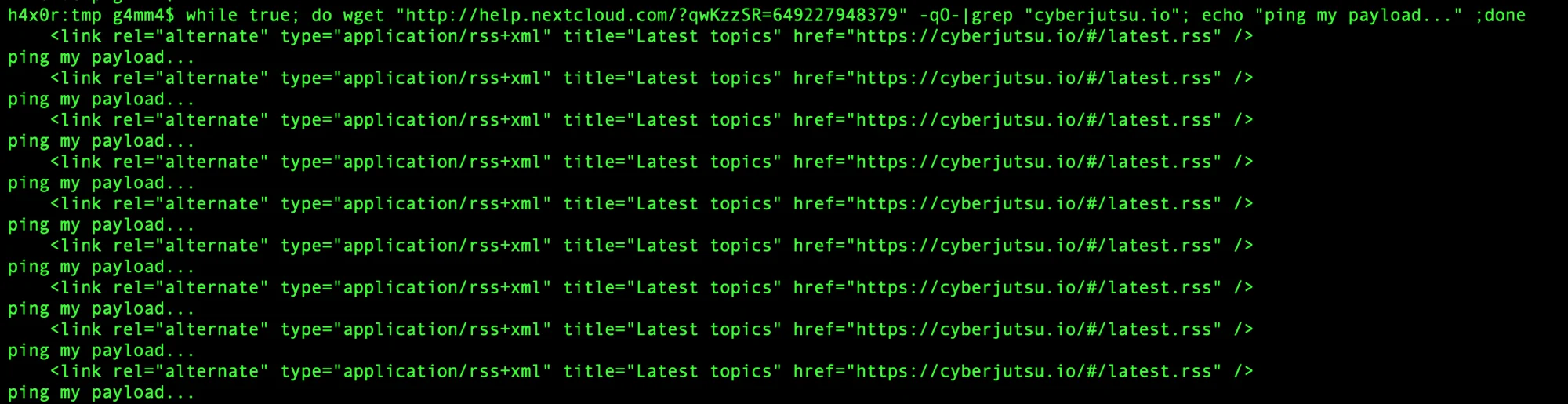
$ while true; do wget "https://help.nextcloud.com/?qwKzzSR=649227948379" --header 'X-Forwarded-Host: cyberjutsu.io/#' -qO->/dev/null; echo "poisoning...";done In the 2nd terminal, run command below for confirmation this attack is successful: while true; do wget "https://help.nextcloud.com/?qwKzzSR=649227948379" -qO-|grep "cyberjutsu.io"; echo "ping my payload..." ;done
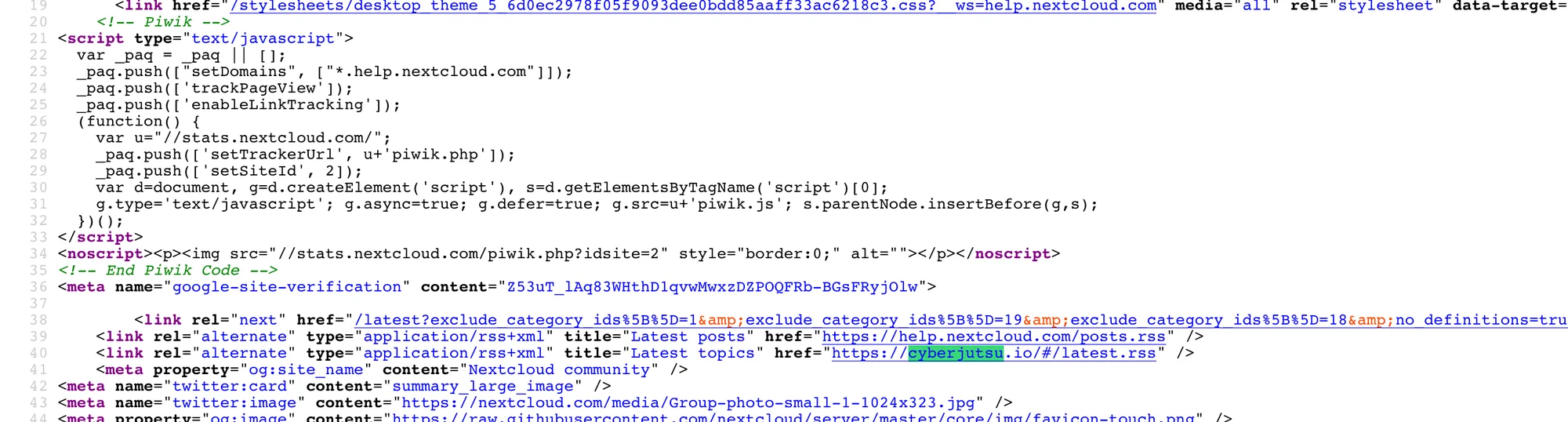
Finally, this link bellow: https://help.nextcloud.com/?qwKzzSR=649227948379 was infected with "Web Cache poisoning attack". Please see the attached image for details.
Impact Stored XSS attack, deface website .... Cheers, ~g4mm4
Impact
Stored XSS attack, deface website, phishing for funs :)
Attachments

Not written yet. The AI write-up for this report has not been written yet. The Original tab links to the source.
How it worked
Root cause
Likely the application reflects the X-Forwarded-Host header value into cached responses without proper validation or sanitisation.
Impact
The attacker could achieve stored XSS or deface the website, and possibly cause browsers to block the site due to malware links.
What the attacker needed
No authentication needed; victim visits poisoned URL
How it was found
- Send repeated requests to a URL with a query parameter, setting the X-Forwarded-Host header to a malicious domain.
- Send requests to the same URL without the header and check if the malicious domain appears in the response.
Explained by bugbounty.wiki with AI from the original and checked against quotes from it; it can still be wrong. Read the original before relying on a detail.
Not written yet. The AI write-up for this report has not been written yet. The Original tab links to the source.
An attacker sends a special header to a cached URL so the cache stores harmful content. This could let them run scripts in visitors' browsers or send them to bad sites.
What is Cache bugs?
A cache and the origin disagree about a request, so a poisoned response is served to everyone or a private page is stored as public.



