The session token in the URL
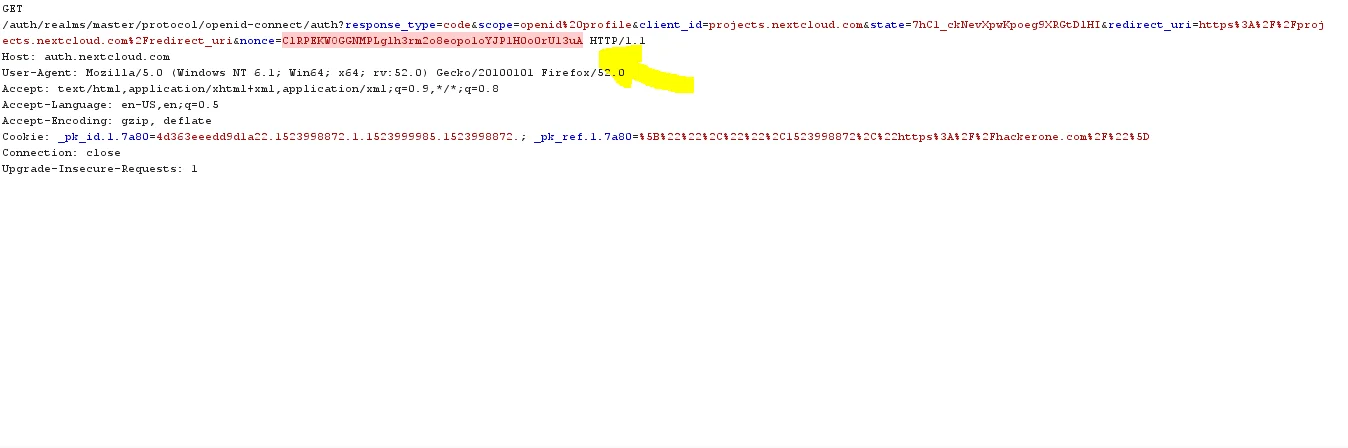
The report claims a session token is transported in the URL, which increases the risk of an attacker capturing it.

- Disclosed after 60 days
Hello team I found that tat the URL transport the Session token and it's a sentive information so Placing session tokens into the URL increases the risk that they will be captured by an attacker. ###fix Applications should use an alternative mechanism for transmitting session tokens, such as HTTP cookies or hidden fields in forms that are submitted using the POST method.
Impact
an attacker can capture these tokens
Attachments
Not written yet. The AI write-up for this report has not been written yet. The Original tab links to the source.
How it worked
Root cause
Likely the application places the session token in the URL instead of a cookie or POST body.
Impact
An attacker could capture the session token.
What the attacker needed
Session token appears in URL
The fix
The application should transmit session tokens using HTTP cookies or hidden form fields submitted via POST instead of the URL.
Explained by bugbounty.wiki with AI from the original and checked against quotes from it; it can still be wrong. Read the original before relying on a detail.
Not written yet. The AI write-up for this report has not been written yet. The Original tab links to the source.
A session token is like a temporary password that keeps you logged in. If it appears in the web address, an attacker could capture it. The report says this happens.
What is Info disclosure?
Data the application should keep private (personal data, internal details, other users' records) reaches someone it should not.