Password reset token leakage via referer
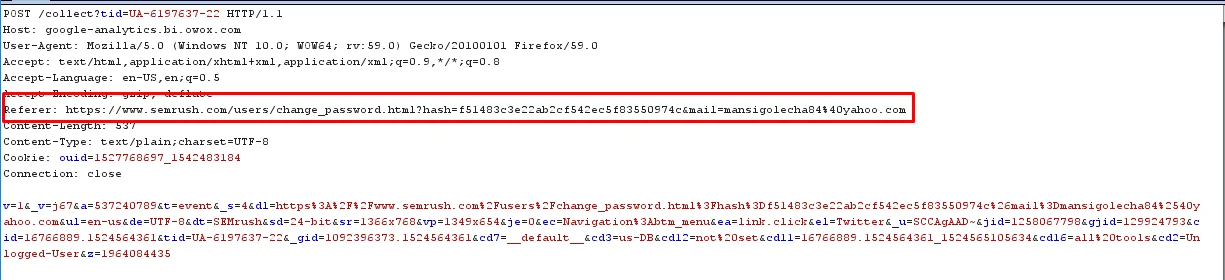
The password reset page included the reset token in its URL, and clicking an external social media link from that page sent the full URL, including the token, in the Referer header. An attacker who controls the linked site could read the token and use it to reset the victim's password.

- Triaged in 20 days
- Fixed in 4 months
- Paid in 50 days
- Disclosed after 4 months
Hi Team, I have found that if user open the link of reset password and than click on any external links within the reset password page its leak password reset token in referer header.
Steps to reproduce:
1.Open Password reset page from email. 2.Click on any social media link(on follow us section) 3.Intercept the request(I have used burp suite) 4.You can see the link for reset password in referrer
Impact
It allows the person who has control of particular site to change the user's password (CSRF attack), because this person knows reset password token of the user.
Attachments
Not written yet. The AI write-up for this report has not been written yet. The Original tab links to the source.
How it worked
Root cause
Likely the reset token was placed in the page URL and the page contained links to external sites without a referrer policy, so the browser sent the token in the Referer header.
Impact
An attacker who controls the linked site could learn the reset token and change the user's password, though this depends on the victim clicking the external link while on the reset page.
What the attacker needed
Victim has a reset link; victim clicks an external link on the page; attacker controls the linked site
How it was found
- Open the password reset page from the email link.
- Click any social media link in the follow us section.
- Intercept the outgoing request with a proxy.
- Observe the reset password link in the Referer header.
Explained by bugbounty.wiki with AI from the original and checked against quotes from it; it can still be wrong. Read the original before relying on a detail.
Not written yet. The AI write-up for this report has not been written yet. The Original tab links to the source.
When you click a link to another website, your browser often tells that website which page you came from, using a piece of information called the Referer header. Here the page you came from was the password reset page, and its web address contained the secret token that lets someone set a new password. So the other website learned the secret and could take over the account.
What is Info disclosure?
Data the application should keep private (personal data, internal details, other users' records) reaches someone it should not.




