Disclose STUFF member name and make actions.
A Shopify chat application allowed an attacker to intercept the request that sends a chat message and alter its text, so messages could be sent as if from a store team member. The same request also exposed the team member's name and ID.

- Triaged in 8 days
- Fixed in 19 days
- Paid in 9 days
- Disclosed after 21 months
Hello Shopify Security Team!
Bug Summary:
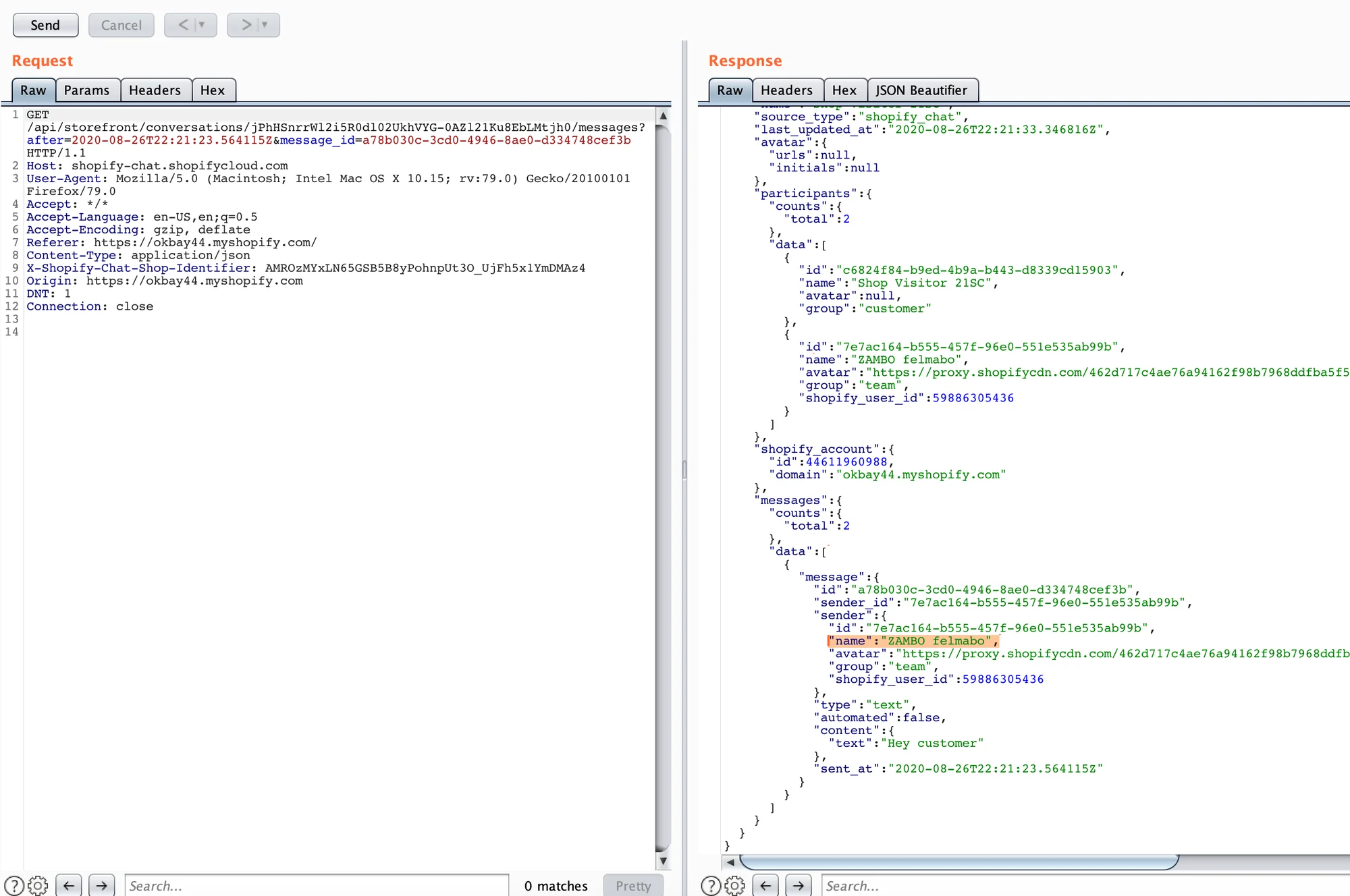
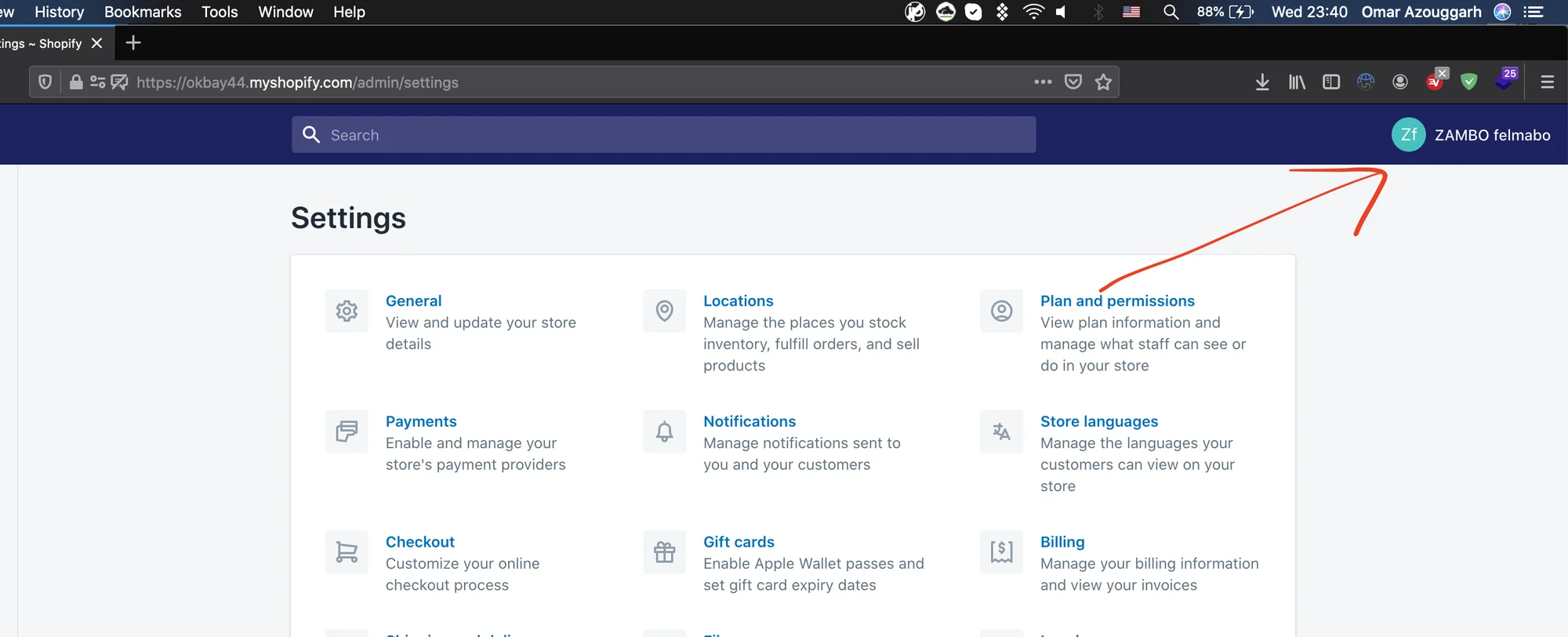
Based on the report #968165, this also can retrieve the STUFF member name and can send messages using his name.
Reproduction steps:
- install shopify chat applications.
Start Exploit #1 :
- Go to targeted store :
- Start a chat using the app with the store support.
- Click on I need an update on my order.
- fill out the Order ID and Email. ( fill the info randomly if you want to), the respond comes with message "in order to provide you with ....".
- I intercept the the post request, and inject changes in the request,
- In this exploit allowed the attacker to send messages like a team member (bot)
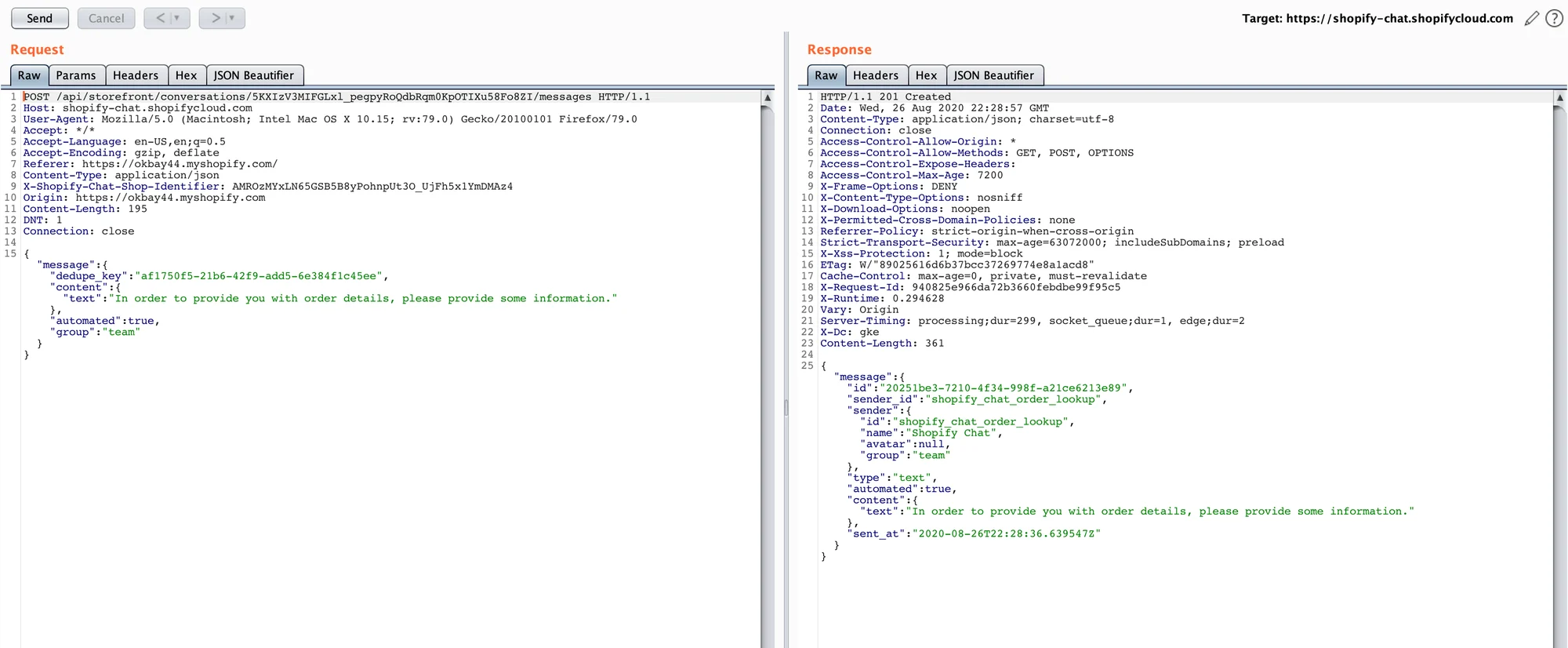
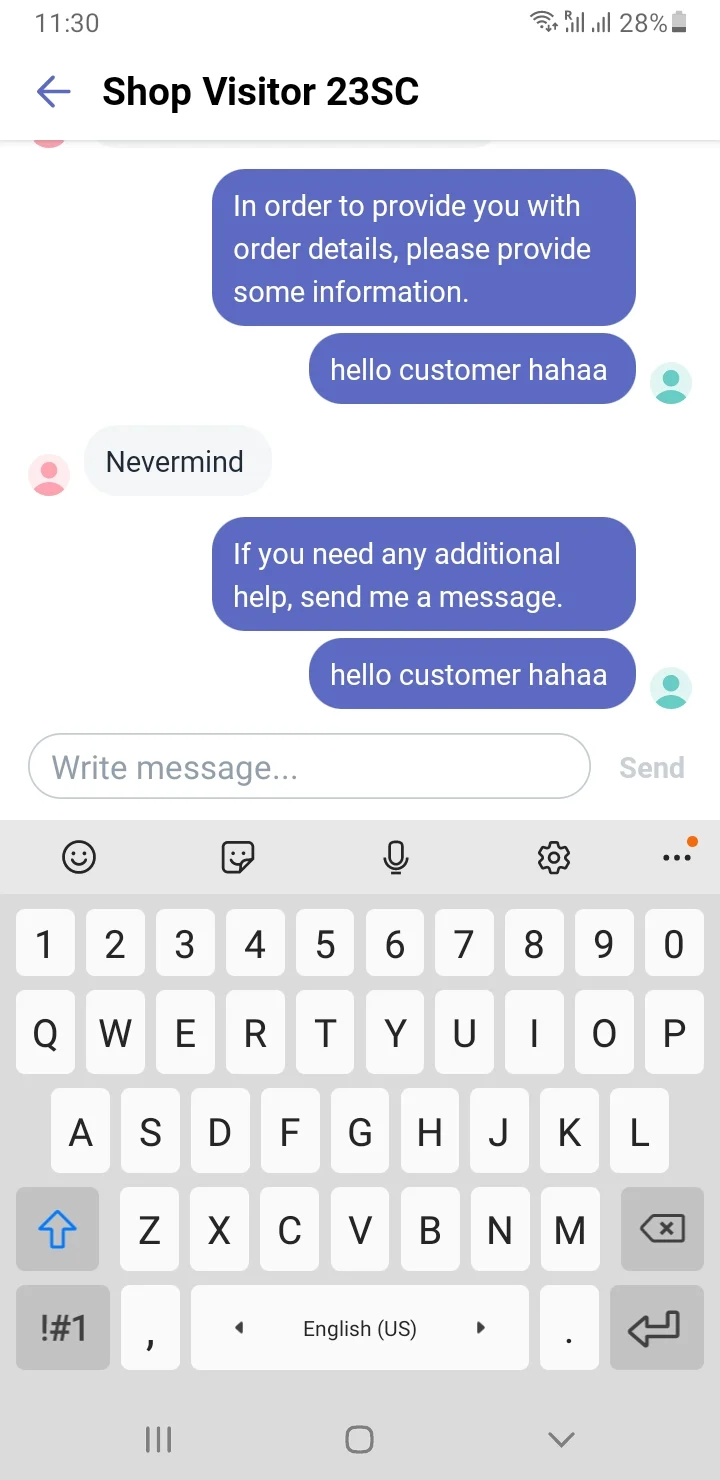
Example : i changed text element to " Hello customer hahaha "
Result :
poc from shopify ping application ( STUFF side )
Start Exploit #2 :
- Go to targeted store :
- Start a chat using the app with the store support.
- As soon as you get the answer.
- I intercept the message request, i found the STUFF member name and ID.
Impact
Can retrive STUFF info, not allowed !
Not written yet. The AI write-up for this report has not been written yet. The Original tab links to the source.
How it worked
Root cause
Likely the chat message endpoint trusted client-supplied fields (message text and sender identity) without server-side validation or authorisation checks.
Impact
An attacker could send chat messages impersonating a store team member and could retrieve the team member's name and ID.
What the attacker needed
Shopify chat app installed on the store; Ability to intercept own requests
How it was found
- Install the Shopify chat application.
- Open the targeted store and start a chat with store support.
- Choose the order update option and fill in an order ID and email.
- Intercept the resulting POST request and change the message text.
- Observe the altered message delivered as a team member.
- In a second test, intercept the message request to read the team member name and ID.
Explained by bugbounty.wiki with AI from the original and checked against quotes from it; it can still be wrong. Read the original before relying on a detail.
Not written yet. The AI write-up for this report has not been written yet. The Original tab links to the source.
A chat widget on a store lets shoppers talk to staff. The report says the request the widget sends when posting a message could be edited in transit, so the text shown to the customer could be changed and made to look like it came from a staff member. The same request also revealed the staff member's name and identifier.
What is Info disclosure?
Data the application should keep private (personal data, internal details, other users' records) reaches someone it should not.




