[h1-2102] [Yaworski's Broskis] Suspected overcharge and chargebacks in PoS
The payment request sent by the Shopify Point of Sale app during card checkout accepted client-supplied amount fields, and the reporter suspected that editing them could overcharge a customer or move money from the store to the customer. The reporter could not confirm this against a real payment gateway or check logs, so the impact is unverified.
xiridium Follow with ramsexy, smsecurity and 2 others
 Originally disclosed on HackerOne
- Triaged in 8 days
- Fixed in 2 months
- Paid in 8 days
- Disclosed after 10 months
Summary:
NOTE: This one need verification from the side of Shopify as we can't set up a real payment GW or check the logs of the test one
When checking out in PoS and paying with credit card, it is possible to manipulate numbers in the end request to overcharge a client (charge more than the item price) and to send money to the client from the store
{
    "payment": {
        "session_id": "9",
        "amount_in": 1.09,       <<<<<
        "amount_rounding": 0,    <<<<<<<
        "amount": 1.09,   <<<<<<<
        "device_id": 2131722262,
        "unique_token": "xxx",
        "amount_tip": 0,
        "card_source": "manual",
        "auto_finalize": false,
        "user_id": 64582418454,
        "amount_out": 0,     <<<<<
        "location_id": 52512587798,
        "charge": true
    }
}
There are four values which interest us here: amount, amount_in, amount_rounding and amount_out. Those control how much the client is charged. They should follow the formula amount = amount_in - amount_rounding - amount_out. amount should always remain the price of the cart.
amount_in is how much is charged from the client. amount_out is how much is taken from the shop. Looks like amount_rounding is a number which is not taken from anyone and is in fact some in-fact-rounding-value.
Some of these values allow negative values which broadens our possibilities. Let's see how it works.
Steps To Reproduce:
You would need PoS in your show installed and installed on your phone (I used iphone with jailbreak to proxy data into Burp). https://apps.shopify.com/shopify-pos.
NOTE: I have used the test store to work with the payments. In real case this might work differently, but since I couldn't find a way to approve that, I decided to submit it nonetheless.
Create a new order with an item. I will be using a $1.09 dummy item from my shop. Now start the checkout process and select credit card as a payment source.
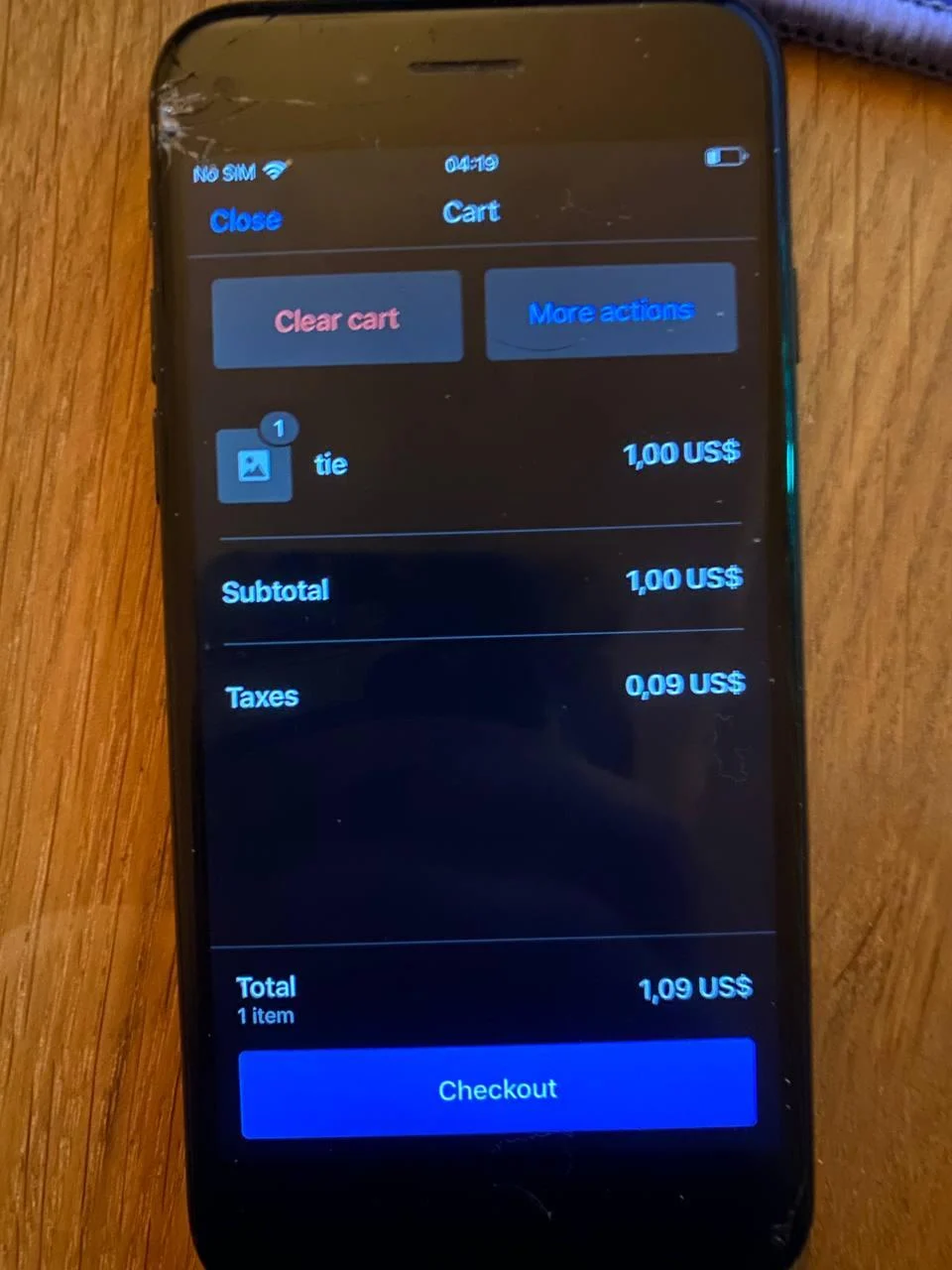
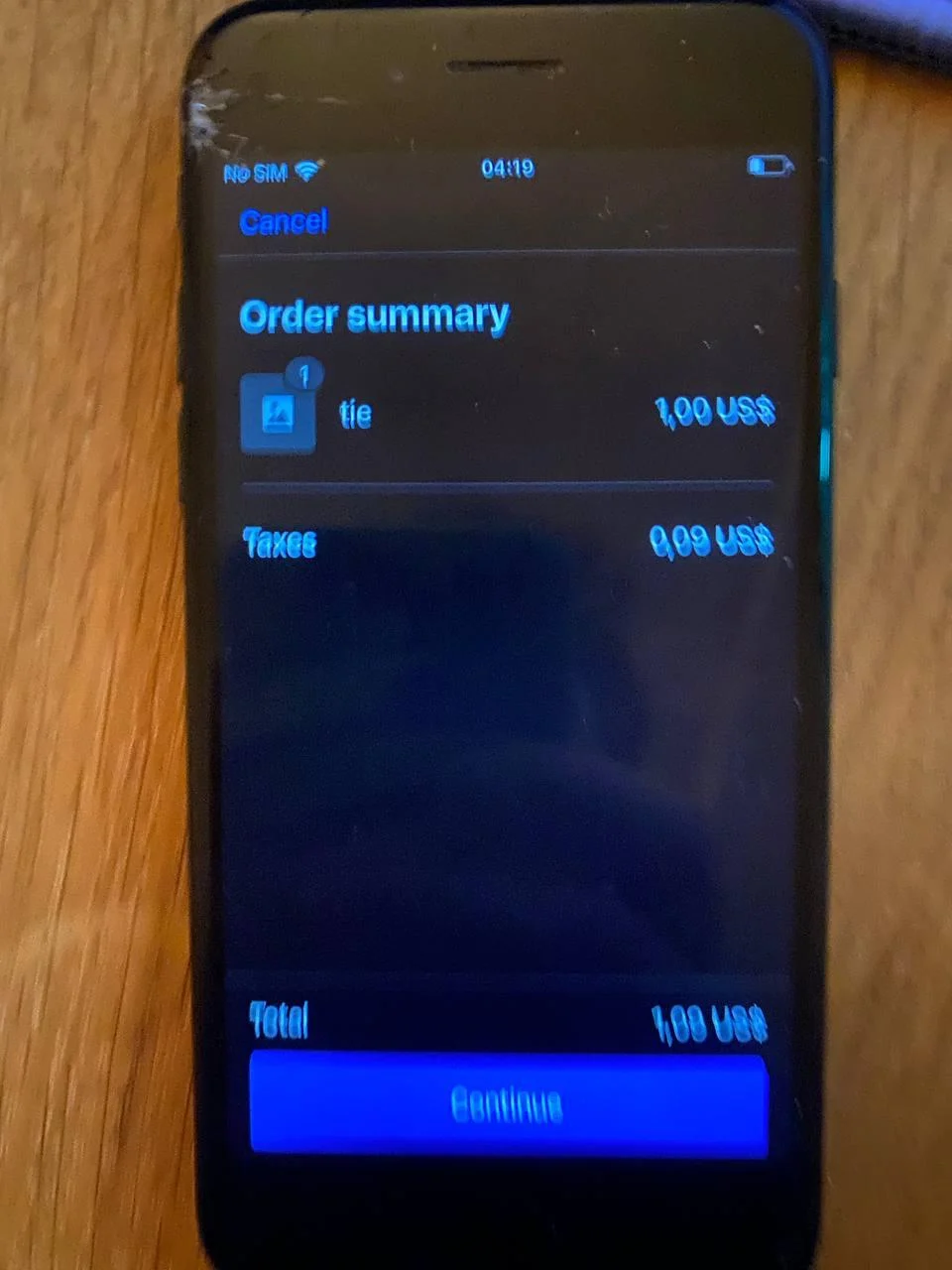
Enter card details and be ready to intercept this request.
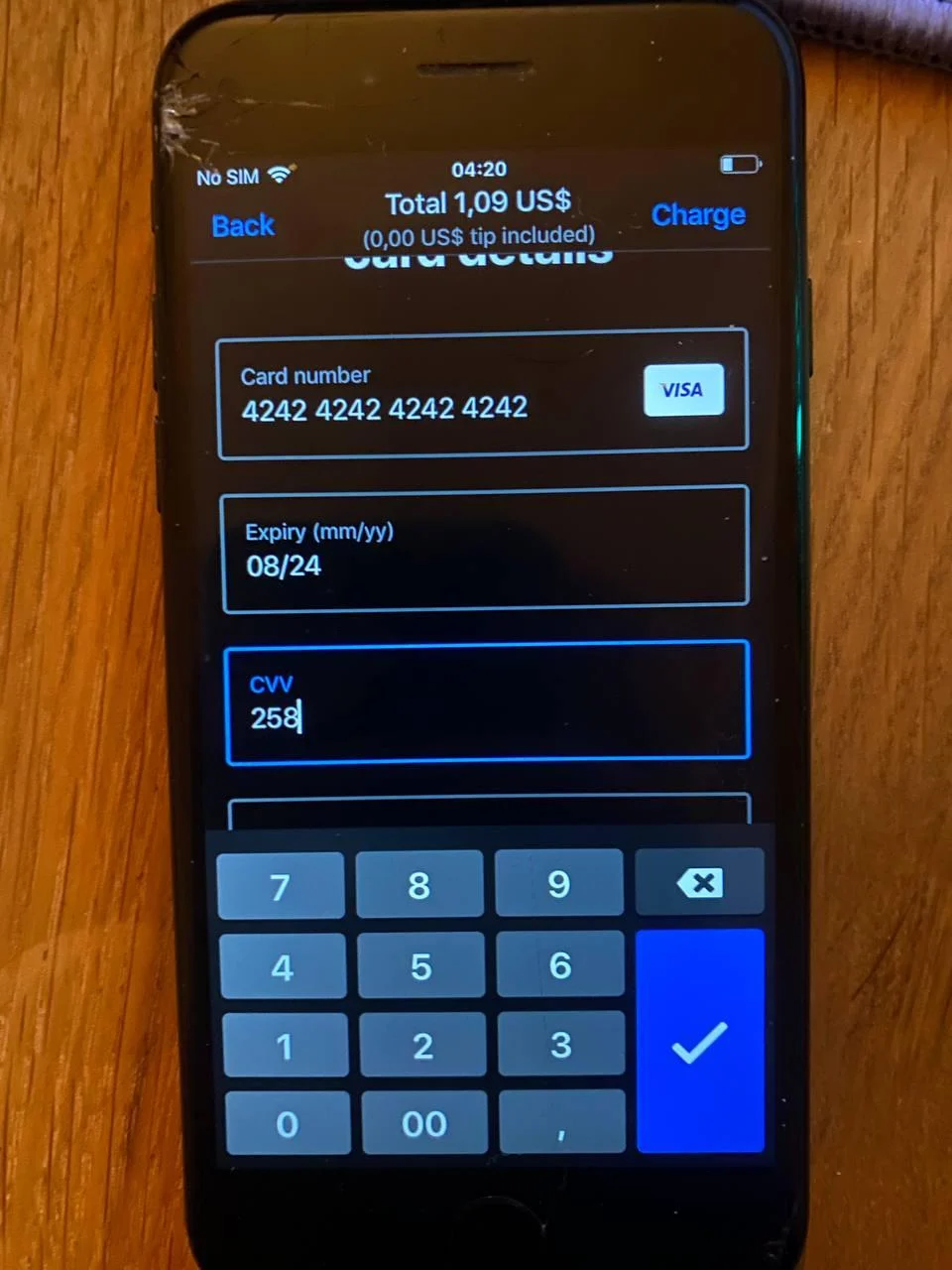
We are looking for the similar payments.json request:
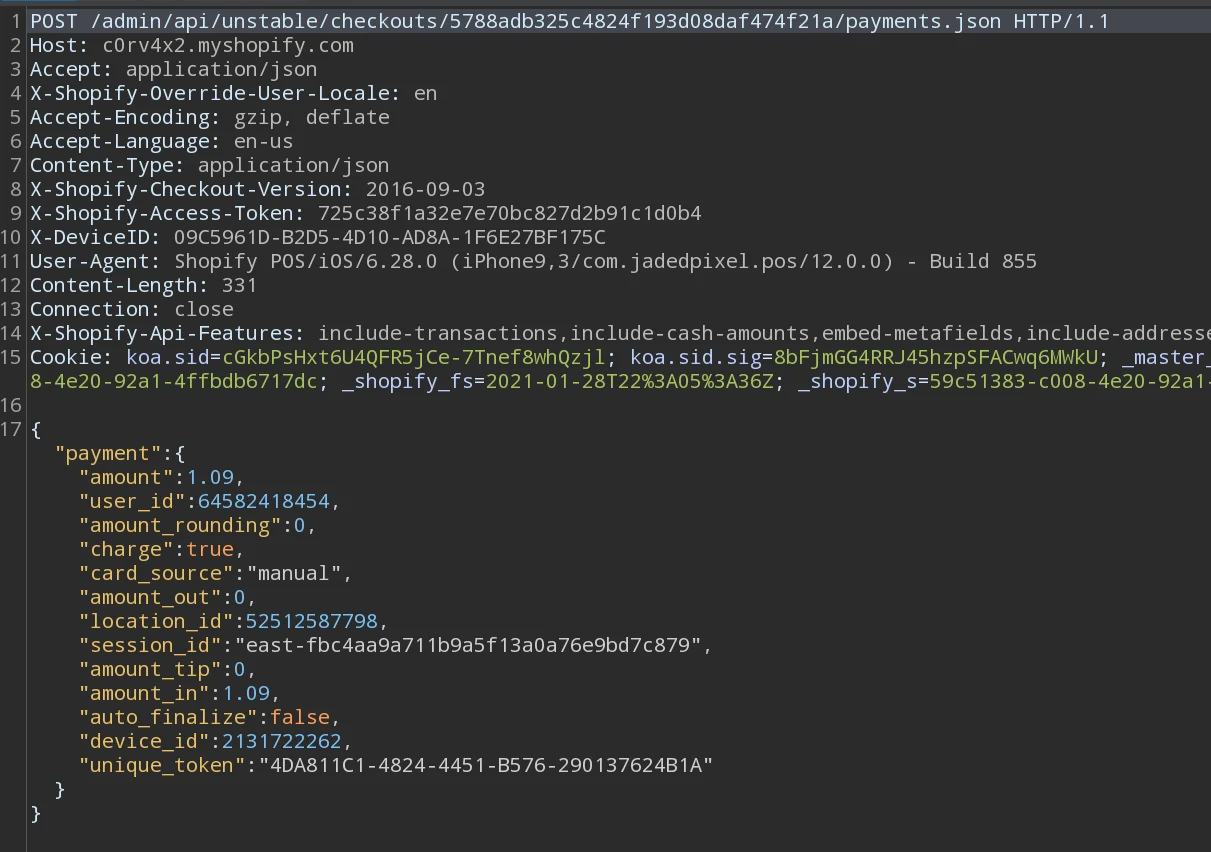
POST /admin/api/unstable/checkouts/5788adb325c4824f193d08daf474f21a/payments.json HTTP/1.1
Host: c0rv4x2.myshopify.com
...

{"payment":{"amount":1.09,"user_id":64582418454,"amount_rounding":0,"charge":true,"card_source":"manual","amount_out":0,"location_id":52512587798,"session_id":"east-fbc4aa9a711b9a5f13a0a76e9bd7c879","amount_tip":0,"amount_in":1.09,"auto_finalize":false,"device_id":2131722262,"unique_token":"4DA811C1-4824-4451-B576-290137624B1A"}}
Change amount_in to 2.09 (1 USD more than the current price) amount_rounding to -1.0 (retracting that one dollar to make our equation from the begging of this report true).
POST /admin/api/unstable/checkouts/5788adb325c4824f193d08daf474f21a/payments.json HTTP/1.1
Host: c0rv4x2.myshopify.com
...

{"payment":{"amount":1.09,"user_id":64582418454,"amount_rounding":-1.0,"charge":true,"card_source":"manual","amount_out":0,"location_id":52512587798,"session_id":"east-fbc4aa9a711b9a5f13a0a76e9bd7c879","amount_tip":0,"amount_in":2.09,"auto_finalize":false,"device_id":2131722262,"unique_token":"4DA811C1-4824-4451-B576-290137624B1A"}}
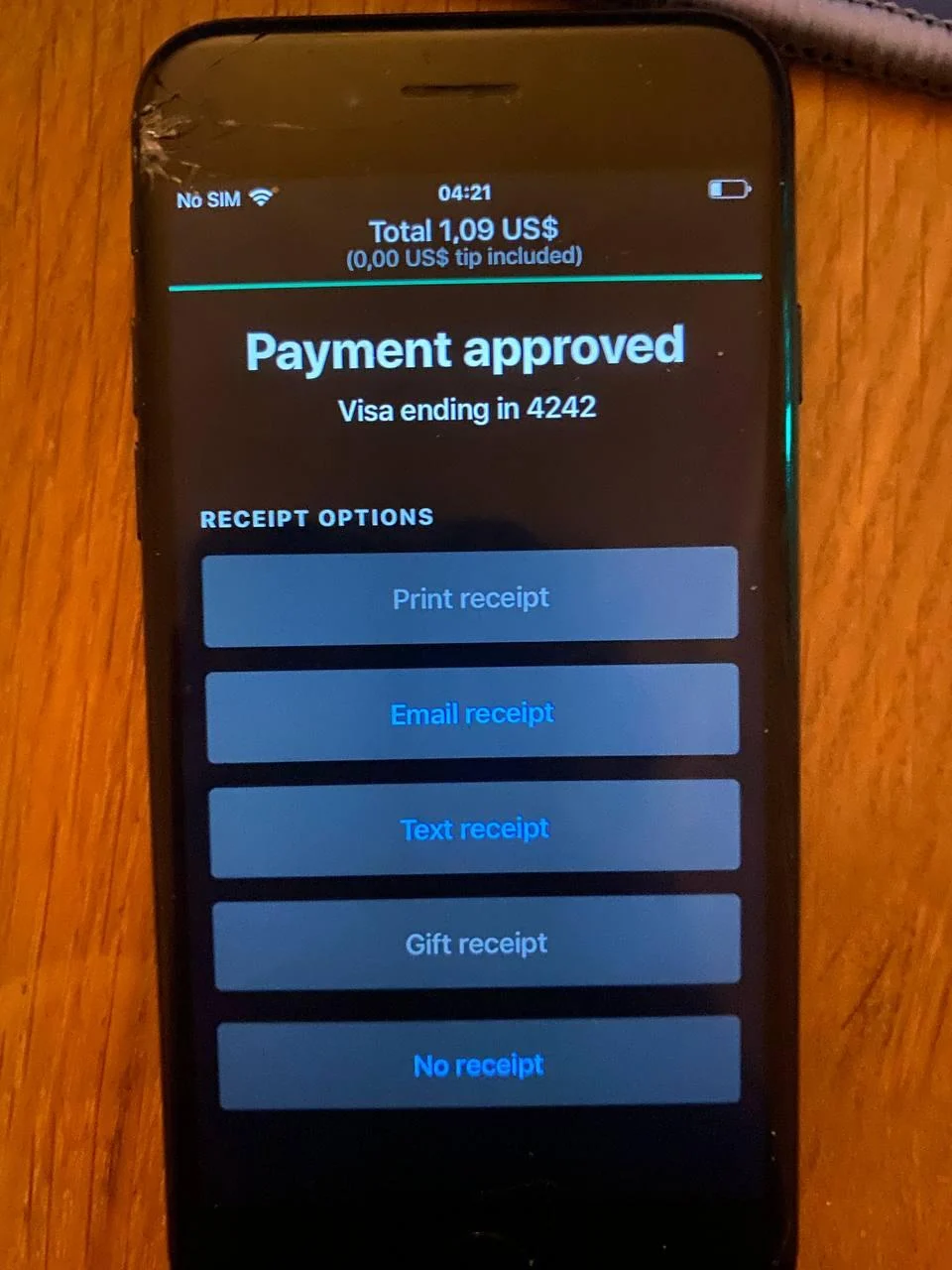
Similar behaviour
Similar behaviour is possible if we set amount_out to a non negative value (which would mean the shop is losing money).
Impact
Potentially manipulate customers and shops money without their conscent
Not written yet. The AI write-up for this report has not been written yet. The Original tab links to the source.
How it worked
Root cause
Likely the server trusted amount fields (amount_in, amount_rounding, amount_out) supplied by the client instead of recalculating the charge from the cart on the server side.
Impact
The reporter suspects a customer could be overcharged or a store could lose money, but this was only tested on a test store and was never verified against a real payment gateway or server logs.
What the attacker needed
Shopify PoS app on a phone; Test store with an item; Proxy to intercept app traffic; Jailbroken device (as used by reporter)
How it was found
- Install the Shopify PoS app on a phone and set up a test store with an item.
- Create a new order with an item and start checkout, choosing credit card as the payment source.
- Enter card details and intercept the payments.json request with a proxy.
- Change amount_in to a higher value and set amount_rounding to a negative value so the total stays the same.
Explained by bugbounty.wiki with AI from the original and checked against quotes from it; it can still be wrong. Read the original before relying on a detail.
Not written yet. The AI write-up for this report has not been written yet. The Original tab links to the source.
When you pay by card in a shop app, the app sends a message to the server saying how much to charge. This report says that message contained several amount fields that the app itself filled in, and a person intercepting the traffic could change them before they reached the server. If the server trusted those numbers, a customer could be charged more than the item costs, or the shop could lose money.
What is Business logic?
The application works as coded but not as intended: a negative price, a skipped payment step, a limit that can be crossed.






