Subdomain takeover in help.tictail.com pointing to Zendesk (a Shopify acquisition)
The subdomain help.tictail.com had a dangling CNAME record pointing to an unclaimed Zendesk instance (tictail.zendesk.com). An attacker could register that Zendesk subdomain and host a phishing page mimicking the company's support site.
 Originally disclosed on HackerOne
- Triaged in 2 days
- Fixed in 3 days
- Disclosed after 4 months
Hello,
Description:
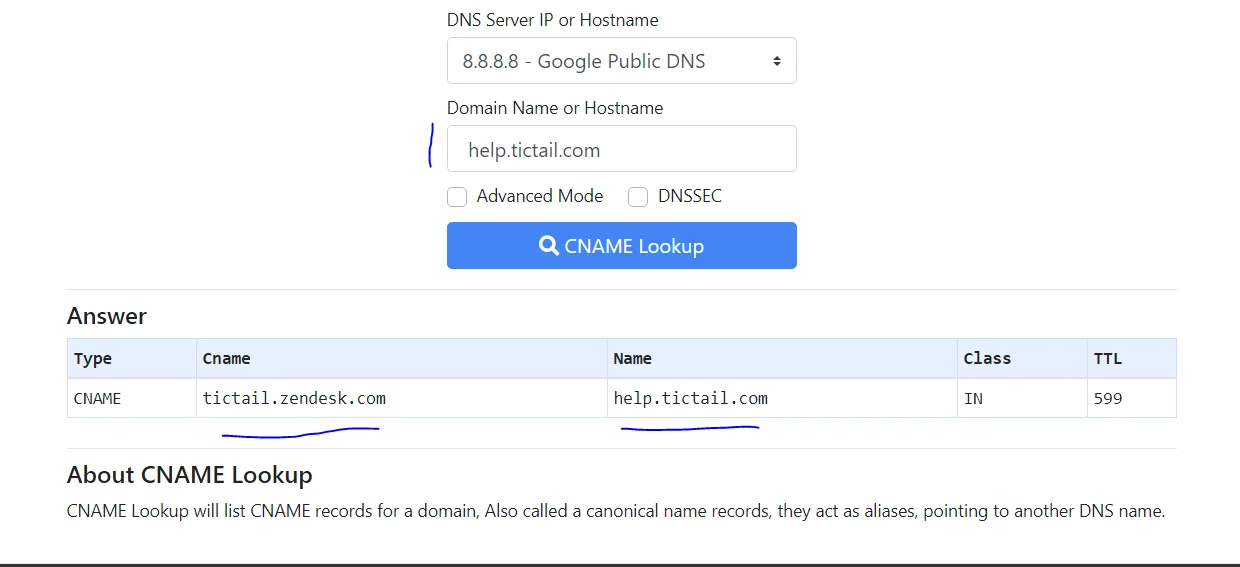
The subdomain at https://help.tictail.com has an unclaimed CNAME record ( tictail.zendesk.com ) . I checked the username availability in the signup process at zendesk, it was observed that the subdomain is vulnerable to a subdomain takeover which allows an attacker could exploit such a situation by registering the expired subdomain and setting up a phishing page that mimics the company’s main support website.
This vulnerability is called subdomain takeover. You can read more about it here:
https://blog.sweepatic.com/subdomain-takeover-principles/ https://hackerone.com/reports/32825 https://hackerone.com/reports/175070 https://hackerone.com/reports/172137
Steps to Reproduce & Proof of Concepts:
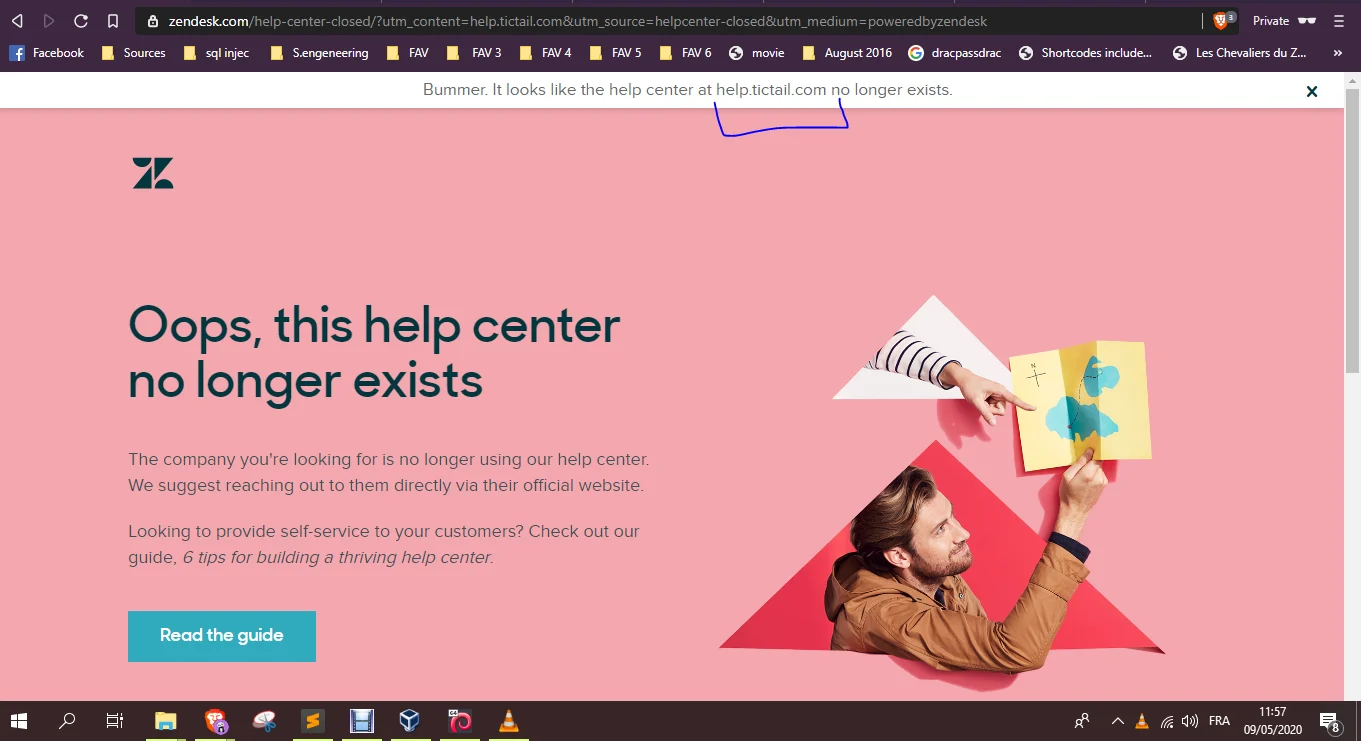
- Using dig and and username availability check at zendesk, I was able to determine that the subdomain https://help.tictail.com was vulnerable to takeover.
Screenshots : F821713 F821710
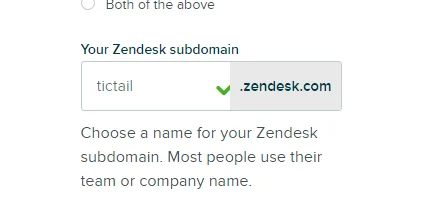
- I went to zendesk.com and registered for a free trial. When I was asked what name I want the zendesk domain to have, i chose the name (tictail.zendesk.com). and it was available for takeover. (showed green mark)
Screenshot : F821718
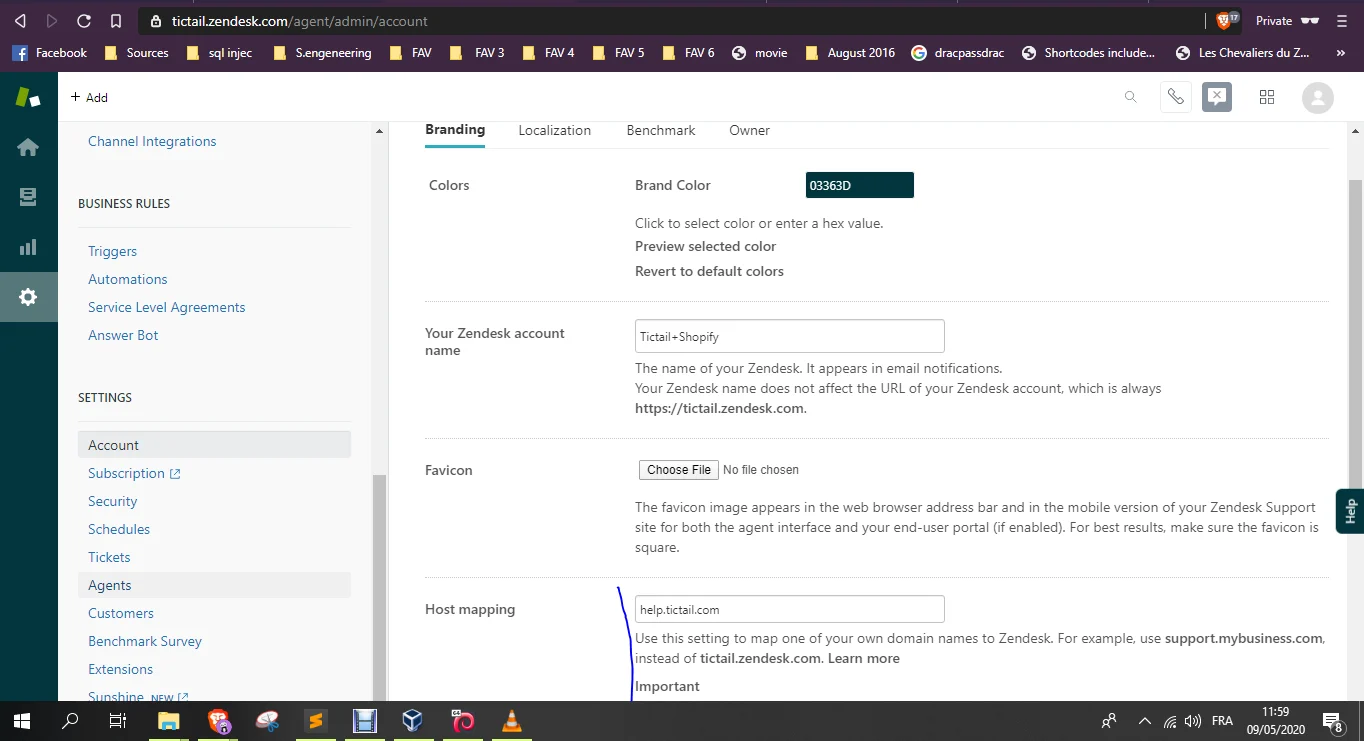
3.After registering, I went to Settings > Account > Host mapping. Filled in the domain the vulnerable subdomain. ( https://help.tictail.com )
Screenshot : F821717
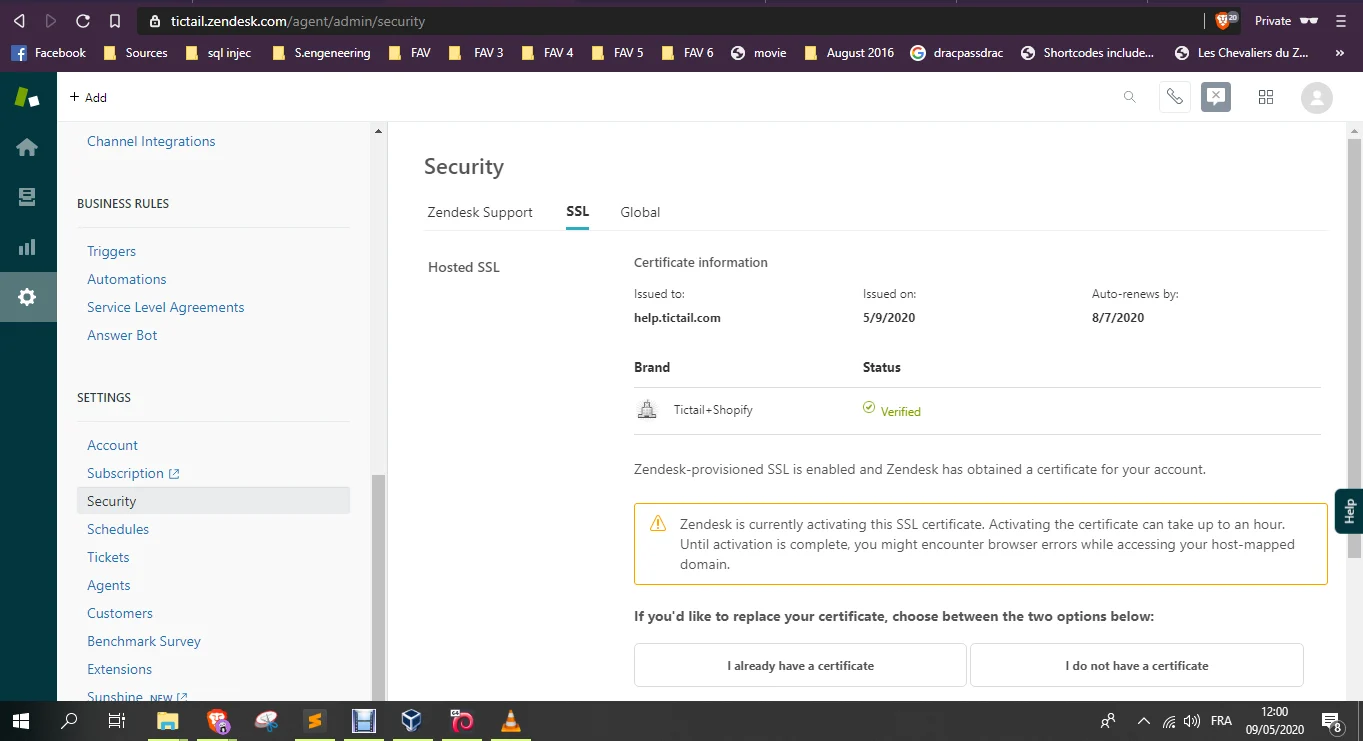
4.I did enable SSL (under security) on the domain to stop the redirect when browsing to the target's domain.
Screenshot : F821716
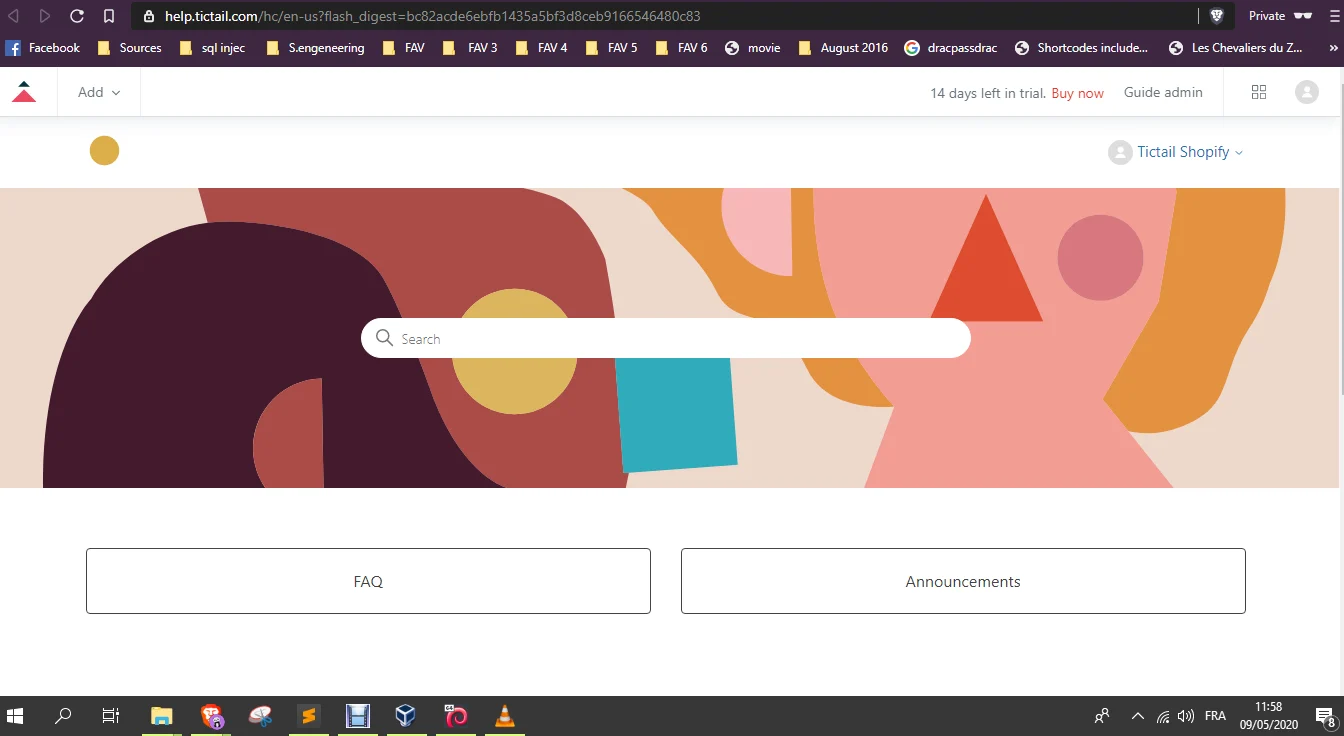
5.I created a guide Help Center (not published )
Screenshot : F821712
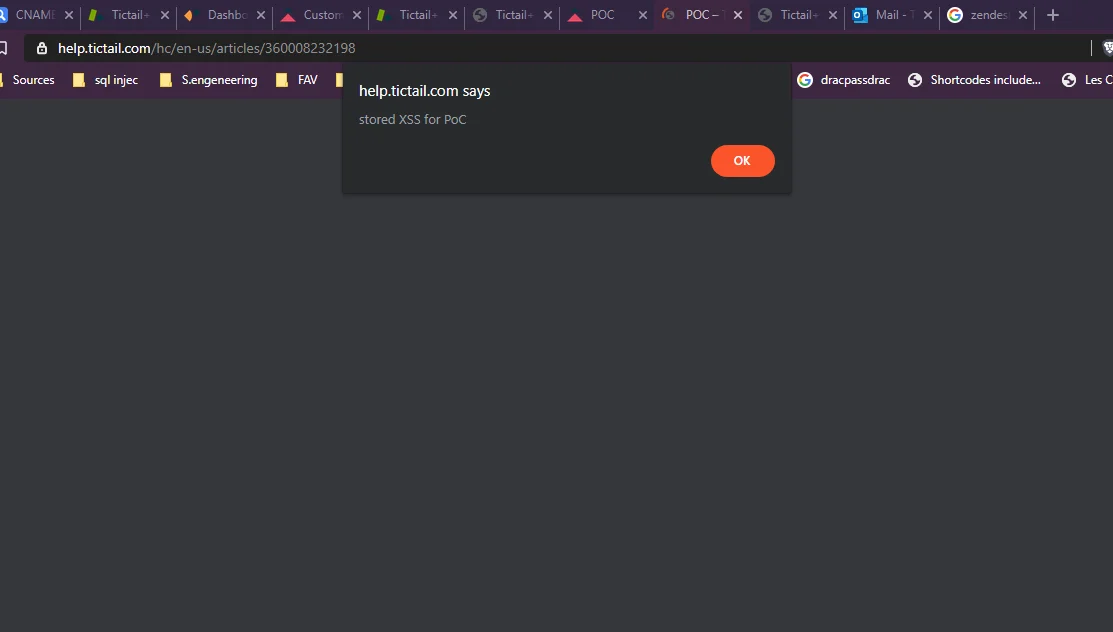
6.Added a test article called “POC”. (Not published)
Screenshot : F821714
Supporting Material/References:
Video of the full takeover process : F821719
Mitigation and How to fix :
Remove the DNS record from the DNS zone if it is no longer needed. Claim the domain name in a permanent DNS record so it cannot be used elsewhere.
Impact
Subdomain takeover is abused for several purposes:
1- As mentioned above, an attacker could exploit such a situation by registering the expired domain and setting up a phishing page that mimics the company’s main support website.
Example scenarios :
Scenario 1 :
An attacker would create the same helpdesk page (design, texts etc… ) as in https://help.shopify.com/ Redirect users to custom urls (phishing pages) to collect login details : (eg; This page contains custom urls (store owner) to other parts of the helpdesk website, an attacker can create the exact same page and add a custom url to lead shopify users to phishing pages that mimics all the company’s pages that requires logins. https://help.shopify.com/en/manual/your-account/manage-account#update-your-billing-information
Screenshots : https://prntscr.com/sdqkpr
###Scenario 2 :
More than that, since the brand name “Tictail”is famous and trusted, an attacker can use that and register domain name “ticctail.com” (available), and create the same exact home page as the original tictail.com homepage, and this time the button will lead to a phishing pages (logins, password reset etc…), and of course with the help of some advanced SEO techniques, the phishing page and subdomain could be found easily.
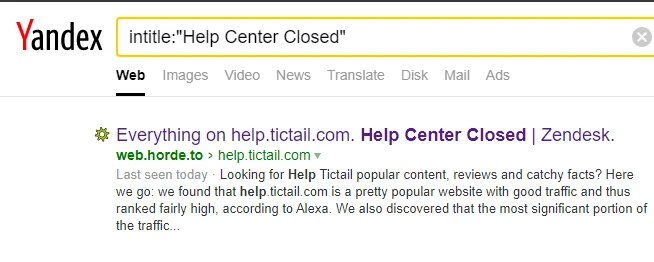
This is how I found the vulnerable subdomain in question, it was the first result. Imagine what people will find when they will search for “tictail” (If SEO is applied well)
Screenshot : F821715
2- Share malicious files using the sharing files option in zendesk etc...
Here's a write up of the vulnerabilities : https://0xpatrik.com/subdomain-takeover/
Regards,
Mohmaed Ali Moujehed
Attachments
Not written yet. The AI write-up for this report has not been written yet. The Original tab links to the source.
How it worked
Root cause
Likely a dangling DNS CNAME record pointing to a Zendesk instance that was no longer claimed by the organisation.
Impact
An attacker could host a phishing page on the trusted subdomain to collect login details or share malicious files, though the report only demonstrates control and does not show actual credential theft.
What the attacker needed
A free Zendesk account; the target subdomain must have a dangling CNAME
The fix
The DNS record should be removed if no longer needed, or the domain should be permanently claimed so it cannot be reused.
How it was found
- Use DNS lookup and a username availability check at Zendesk to confirm the subdomain is vulnerable.
- Register a free Zendesk trial and choose the available Zendesk subdomain name.
- In Zendesk settings, add the vulnerable subdomain as a host mapping.
- Enable SSL on the domain to avoid redirects.
- Create an unpublished help centre guide and a test article to demonstrate control.
Explained by bugbounty.wiki with AI from the original and checked against quotes from it; it can still be wrong. Read the original before relying on a detail.
Not written yet. The AI write-up for this report has not been written yet. The Original tab links to the source.
A subdomain takeover happens when a company points a subdomain to an external service but forgets to keep that service account active. Anyone who can claim that same account name on the external service can then control what appears at the company's subdomain, often to trick users with fake login pages.
What is Access control?
A user can do something their role should not allow: reach an admin function, act on a feature they have not paid for, or skip a permission check. IDOR is the special case where the object belongs to someone else.


