Create New User Whilst Logged On
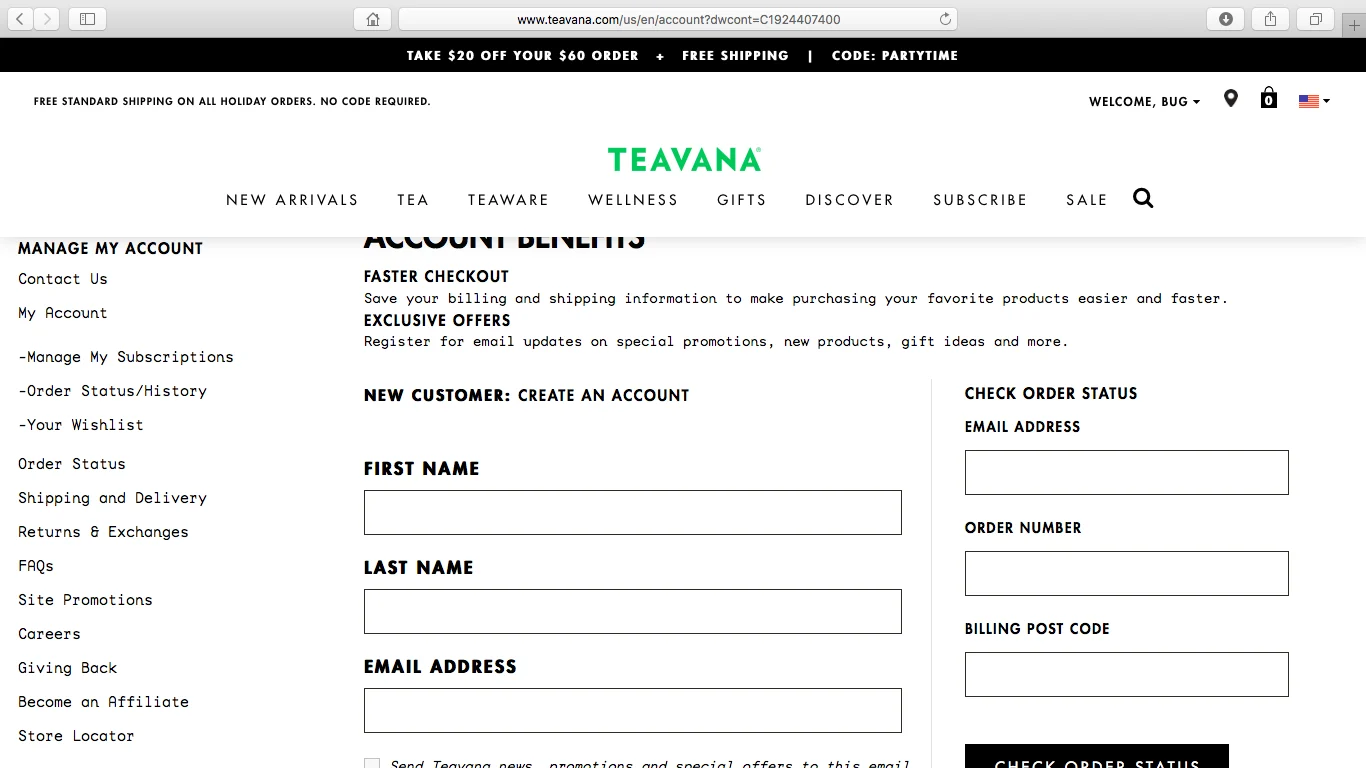
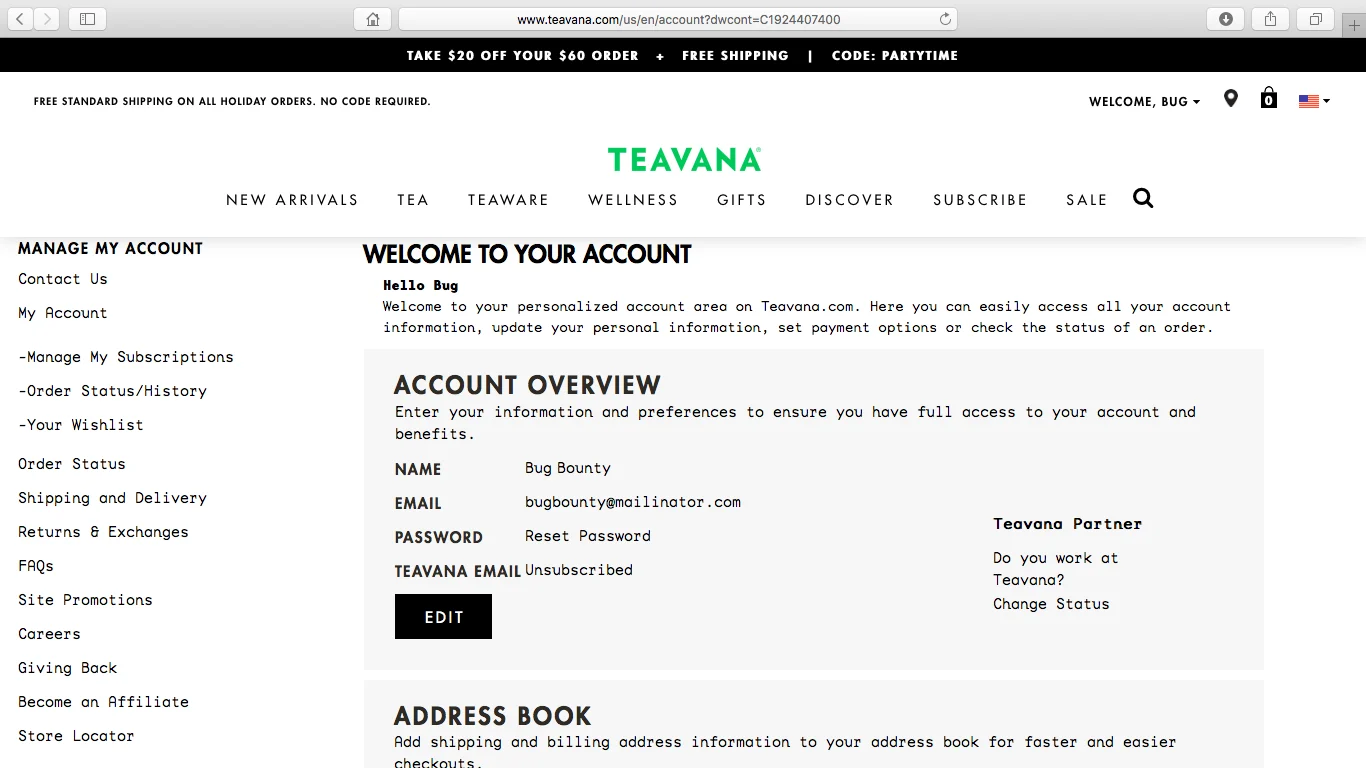
The site allowed a logged-in user to create a new account by refreshing the account creation page, and re-registering an existing email with a different password showed no error but the new password did not work. An attacker could create additional accounts while authenticated, though the impact is limited.
 Originally disclosed on HackerOne
- Disclosed after 21 days
The website www.teavana.com allows users already logged on to create new account with a very simple url redirect. When an account is created a page is displayed with your account information and what you want to update. By simply refreshing the page allows you to create a new account whilst still logged on. If you try to recreate the same account with the same email but different password, there will be no error message displayed though when you try to login, the password will be incorrect.
Attachments
Not written yet. The AI write-up for this report has not been written yet. The Original tab links to the source.
How it worked
Impact
An authenticated user could create additional accounts without logging out, and duplicate email registration with a new password silently failed, potentially confusing users.
What the attacker needed
A logged-in account
How it was found
- Log in to the website.
- Reach the account creation page via the simple URL redirect.
- Refresh the page.
- Create a new account while still logged in.
Explained by bugbounty.wiki with AI from the original and checked against quotes from it; it can still be wrong. Read the original before relying on a detail.
Not written yet. The AI write-up for this report has not been written yet. The Original tab links to the source.
When you are logged in, the site should not let you create another account without logging out first. Here, refreshing a page let the user create a new account while still signed in. Also, trying to reuse an email with a new password gave no warning, but the new password did not work.
What is Open redirect?
A trusted site forwards users to any address an attacker picks; rarely paid alone, often the missing link in a chain.




