Content Spoofing or Text Injection in (403 forbidden page injection) and Nginx version disclosure via response header
The report describes two low-severity issues: a text injection on a 403 error page where the requested path is reflected, and disclosure of the Nginx version in a response header. An attacker could use the reflected text to craft misleading messages and the version information to plan further attacks.
 Originally disclosed on HackerOne
- Disclosed after 58 days
Hello there,
I know that this is Non-critical issue but i want you guys to be aware of it.
###1.) I have found a Content Spoofing or Text Injection in This url http://dl-origin.ubnt.com/
See the text injection in the attached picture
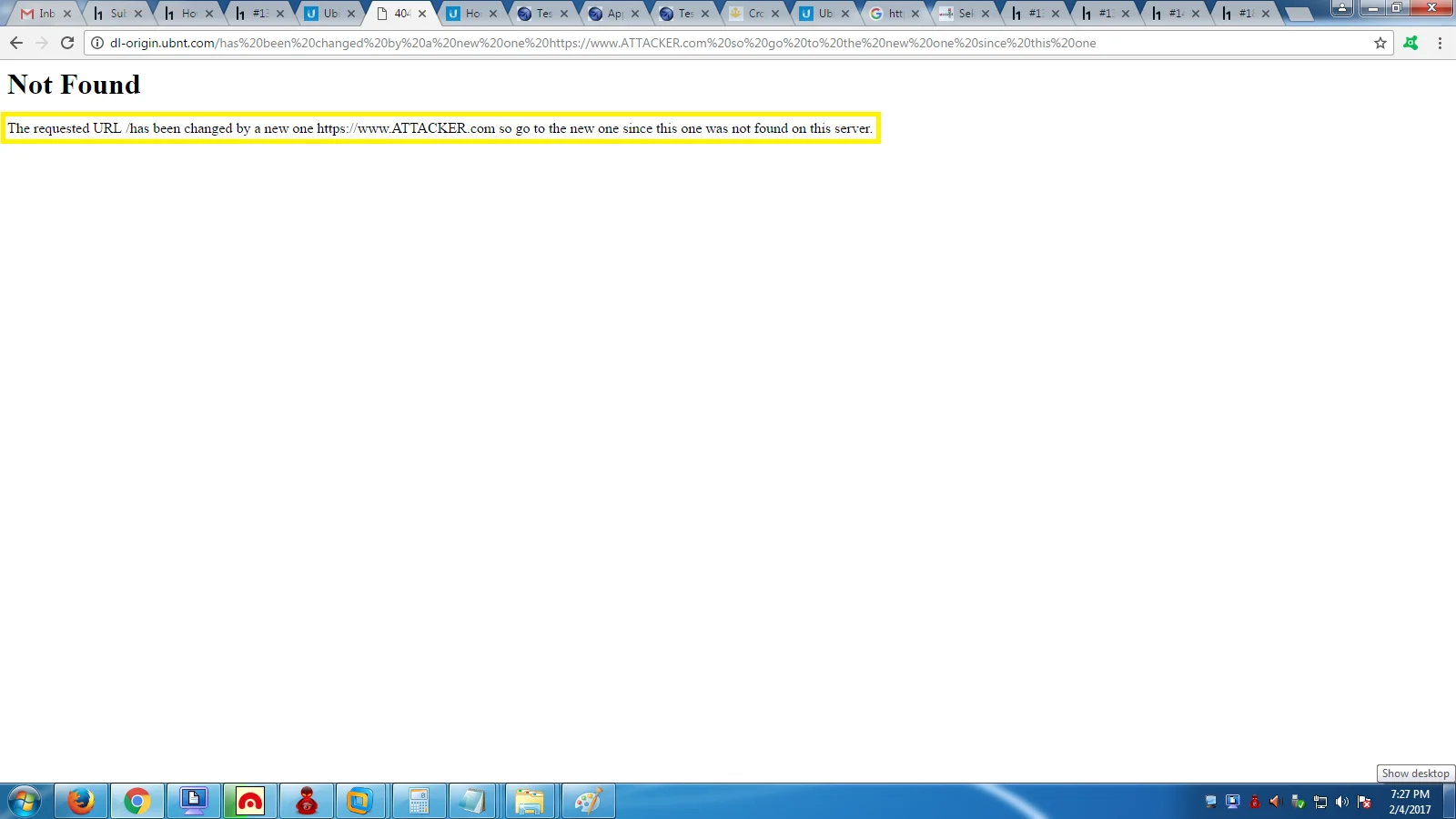
See text injection similar reports here #134388
###2.) I have noticed in the response header of https://www.ubnt.com/ shows Ngnix server version!
As you can see in the attached picture
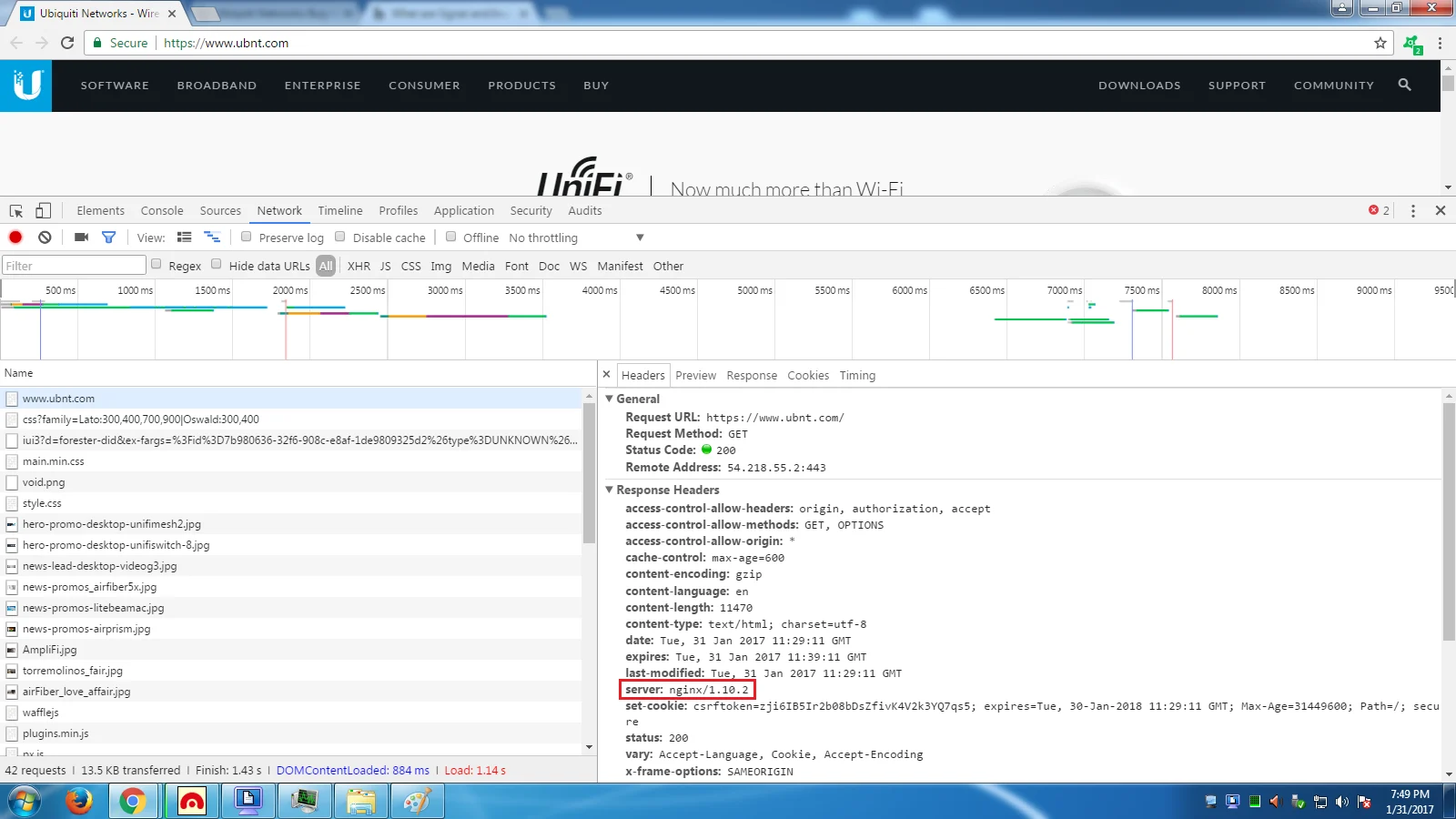
Impact
An attacker can be used this for further analyzation of the target application.
###-It is a good practice not to disclose your Ngnix server version.
See server version disclosure similar reports here #179217 #183245 #141125
Thanks for taking the time to read my reports.
Regards, ###Rey Mark
Not written yet. The AI write-up for this report has not been written yet. The Original tab links to the source.
How it worked
Root cause
Likely the error page reflects the requested path without encoding or validation, and the server is configured to include its version in the Server header.
Impact
An attacker could use the version disclosure to aid further analysis of the target.
What the attacker needed
None
The fix
The server should be configured to hide its version in response headers.
Explained by bugbounty.wiki with AI from the original and checked against quotes from it; it can still be wrong. Read the original before relying on a detail.
Not written yet. The AI write-up for this report has not been written yet. The Original tab links to the source.
When a website shows an error page, it sometimes repeats part of the web address you typed. If it does that without cleaning it, an attacker can put their own words in the address so the error page displays a fake message, like 'this site has moved, go here instead'. Separately, the web server software (Nginx) tells anyone which version it is running, which helps an attacker look up known bugs for that version.
What is Info disclosure?
Data the application should keep private (personal data, internal details, other users' records) reaches someone it should not.




