XSS via SVG file
An SVG file containing an XSS payload could be uploaded to the community gallery, and when a victim visits the link the script executes and can steal the victim's cookie. The upload succeeded even though the file contained an error.

- Disclosed after 52 days
Hello Ubuquiti,
Details
I was able to upload an svg file to here. so i uploaded an SVG file with XSS on its code and if the attacker give the link to his victim he can grab it's victim's cookie. and regarding to the your Upload image svg file it uploaded even it has an error..
PoC
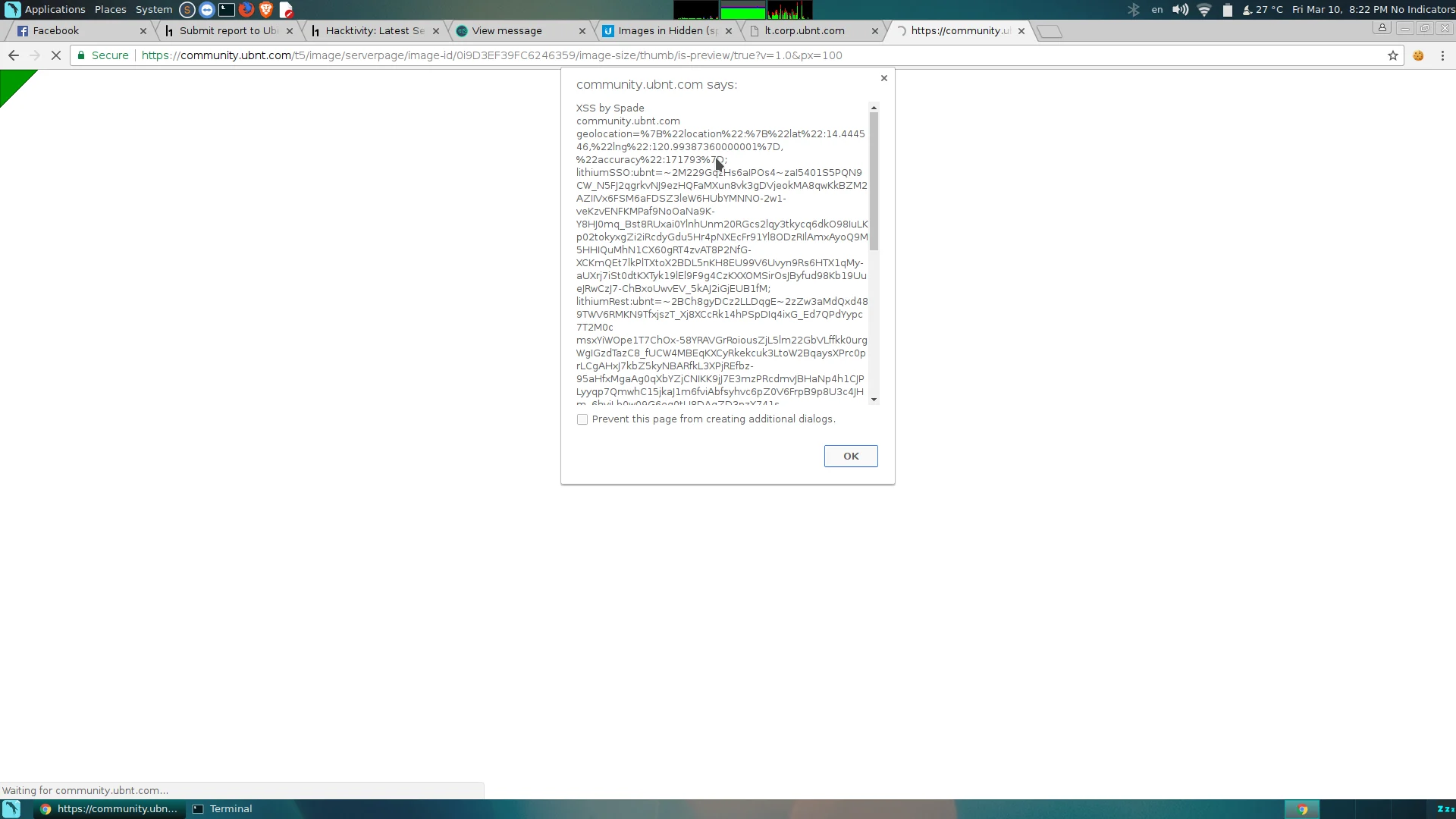
Fix
Dont allow to upload an svg file because attacker can put his payload to a SVG files.
Not written yet. The AI write-up for this report has not been written yet. The Original tab links to the source.
How it worked
Root cause
Likely the application allowed SVG files to be uploaded and served them without sanitisation, so embedded scripts executed in the victim's browser.
Impact
An attacker could steal a victim's cookie by getting them to open a crafted link.
What the attacker needed
Ability to upload an SVG file; victim clicks the crafted link
The fix
The application should not allow SVG files to be uploaded.
How it was found
- Upload an SVG file containing an XSS payload to the community gallery.
- Send the resulting link to a victim.
- The victim opens the link and the script runs, allowing the attacker to grab the victim's cookie.
Explained by bugbounty.wiki with AI from the original and checked against quotes from it; it can still be wrong. Read the original before relying on a detail.
Not written yet. The AI write-up for this report has not been written yet. The Original tab links to the source.
A website let people upload pictures, including a type called SVG that can contain code. The uploader put harmful code in the SVG, and when someone opened the link the code ran in their browser and could steal their login cookie. The fix is to stop allowing SVG uploads.
What is XSS?
Script an attacker supplies runs in another user's browser, on the target's origin, with that user's session.