weblate.org: X-XSS-Protection not enabled
The report notes that the X-XSS-Protection header is missing from weblate.org, which means the browser's built-in reflective XSS filter is not explicitly enabled. The author claims this could leave users more exposed to reflected cross-site scripting, though no actual exploit is demonstrated.

- Fixed in under an hour
- Disclosed after 22 days
Hi,
X-Xss-Protection @https://weblate.org has not been set.
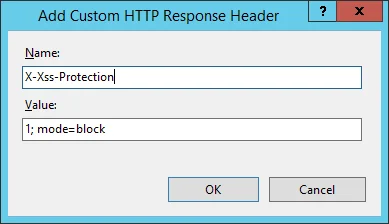
This header is used to configure the built in reflective XSS protection found in Internet Explorer, Chrome and Safari (Webkit). Valid settings for the header are 0, which disables the protection, 1 which enables the protection and 1; mode=block which tells the browser to block the response if it detects an attack rather than sanitising the script.
NginX: add_header X-Xss-Protection "1; mode=block" always;
Apache: Header always set X-Xss-Protection "1; mode=block"
IIS:
Attachments
Not written yet. The AI write-up for this report has not been written yet. The Original tab links to the source.
How it worked
Impact
Without the header, the browser's reflective XSS filter is not explicitly enabled, which could make reflected XSS attacks slightly easier, but no actual vulnerability or exploit is shown.
What the attacker needed
None
The fix
The header should be added at the web server level, for example with the provided Nginx or Apache configuration directives.
Explained by bugbounty.wiki with AI from the original and checked against quotes from it; it can still be wrong. Read the original before relying on a detail.
Not written yet. The AI write-up for this report has not been written yet. The Original tab links to the source.
Browsers have a built-in filter that tries to stop some reflected cross-site scripting (XSS) attacks, where a malicious link injects a script into a page. A special HTTP response header can turn this filter on or off. This report says the header is missing, so the filter is not explicitly enabled, but it does not show a real attack.
What is XSS?
Script an attacker supplies runs in another user's browser, on the target's origin, with that user's session.








