self cross site scripting
The search page reflected user input without validation, allowing an attacker to inject JavaScript. An attacker could steal cookies or keystrokes from a victim who follows a crafted link.

- Disclosed after 6 days
Vulnerability Exploited : cross site scripting using csrf
Vulnerable URL:https://gratipay.com/search
Vulnerability Explanation :The application is vulnerable with Reflected Cross Site Scripting. Here application fails to validate user supplied inputs due to which an attacker can inject his own JavaScript on your web application.
Impact :The attacker can access the victim's cookies associated with the website using document.domain, send them to his own server, and use them to hijack the session of target user. An attacker can also register a keyboard event listener using addEventListener and then send all of the user's keystrokes to his own server, potentially recording sensitive information such as passwords and credit card numbers.
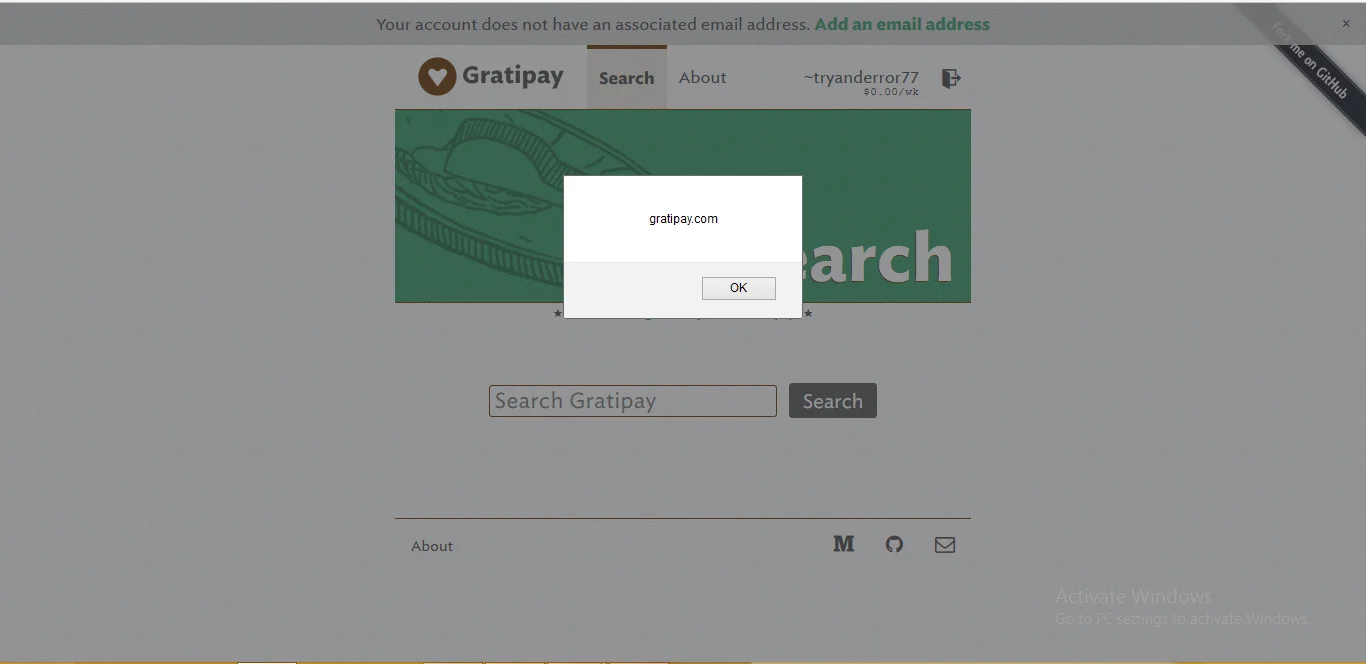
Payload : <script>alert(document.domain>
severity: high
step to reproduce:
- login the URL https://gratipay.com.
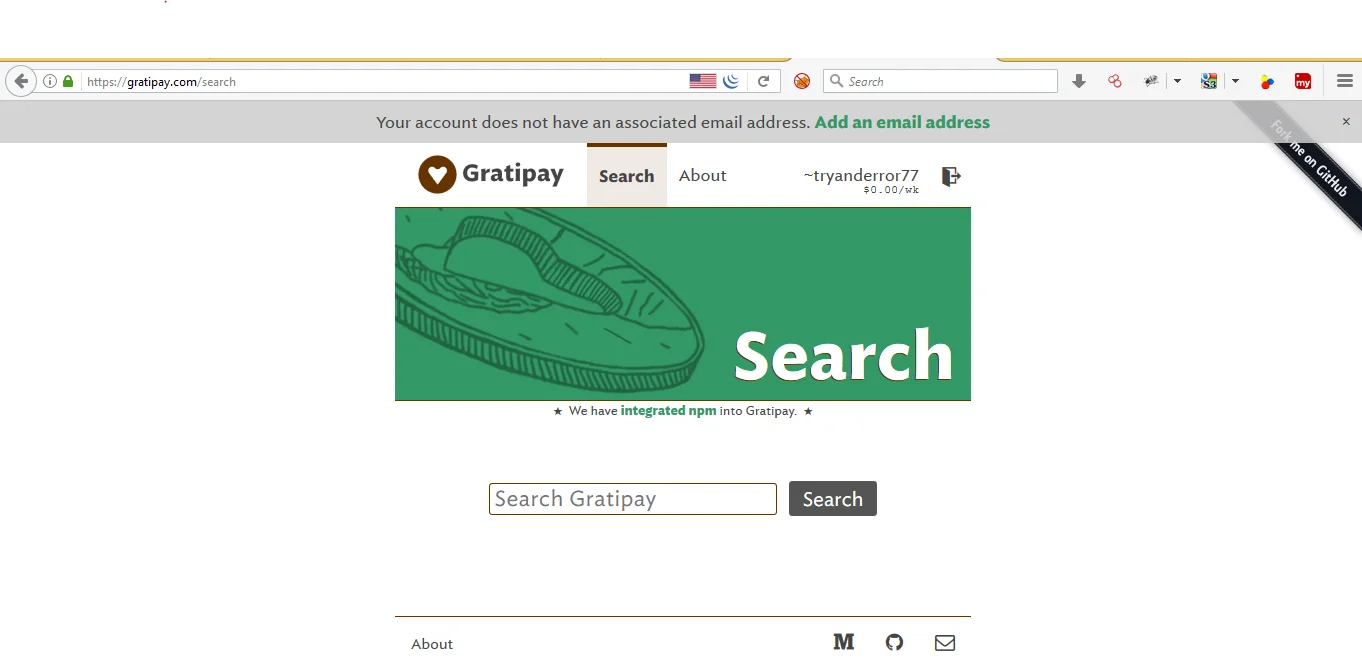
- go to search button.
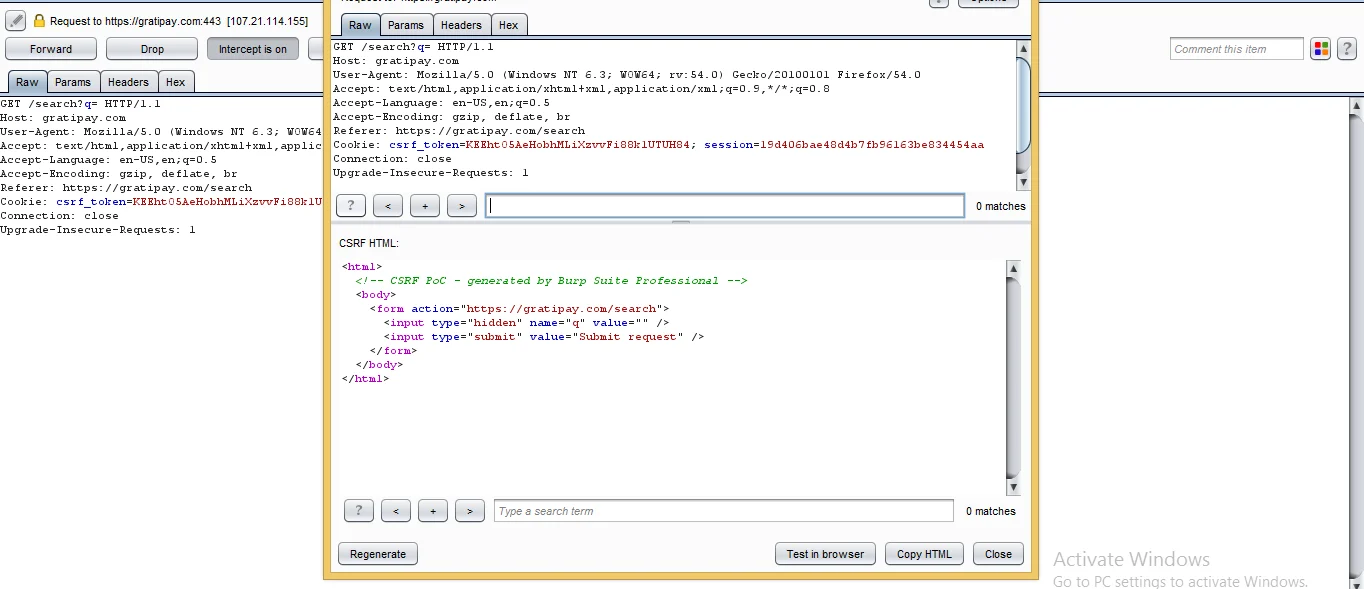
3)use the proxy like burp suit.and intercept the request of search box. 4)generate the csrf code ,then after write in search to above payload. 5) csrf text file run in the browser 6) you can see that cross site scripting.
Attachments
Not written yet. The AI write-up for this report has not been written yet. The Original tab links to the source.
How it worked
Root cause
Likely the search parameter was echoed into the HTML response without output encoding or input validation.
Impact
An attacker could access the victim's cookies and hijack their session, or record keystrokes to capture sensitive information.
What the attacker needed
Attacker can generate a CSRF token; victim runs the crafted CSRF file in the browser
How it was found
- Log in to the site.
- Go to the search page.
- Intercept the search request with a proxy.
- Generate a CSRF token and place the payload in the search field.
- Run the CSRF file in the browser.
- Observe the script executing.
Explained by bugbounty.wiki with AI from the original and checked against quotes from it; it can still be wrong. Read the original before relying on a detail.
Not written yet. The AI write-up for this report has not been written yet. The Original tab links to the source.
A website took text from a search box and put it straight into the page without checking it. That let an attacker put their own code on the page, so when someone else opened a special link, the attacker's code ran in that person's browser and could read their cookies or record what they typed.
What is CSRF?
Another site makes a signed-in user's browser perform an action they did not intend.

