Information disclosure by sending a GIF
The attacker can send a GIF message with a URL pointing to their own server, and when the victim opens the message box, the victim's device makes a request to that URL, revealing the victim's IP address, operating system, browser, device model, and time zone. This information disclosure affects all platforms and is more severe on Apple devices.

- Triaged in 4 days
- Fixed in 2 months
- Paid in 25 days
- Disclosed after 5 months
Summary
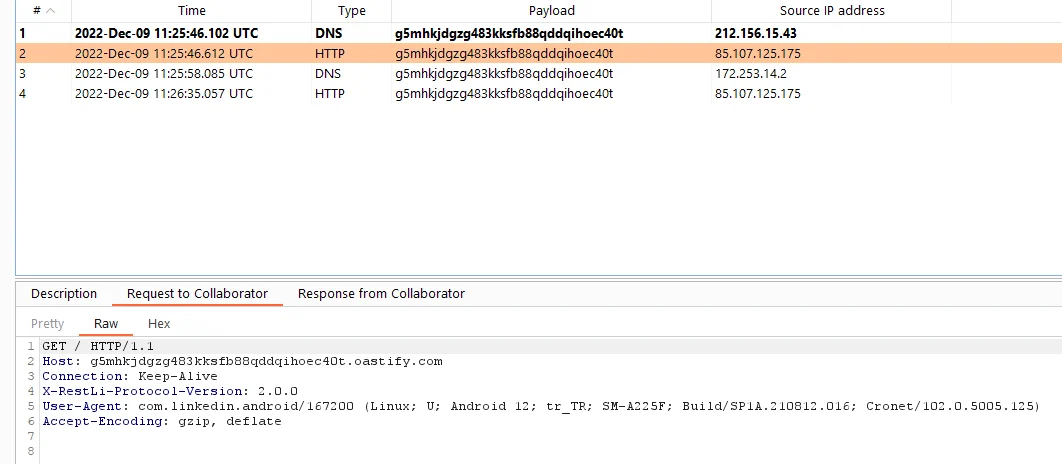
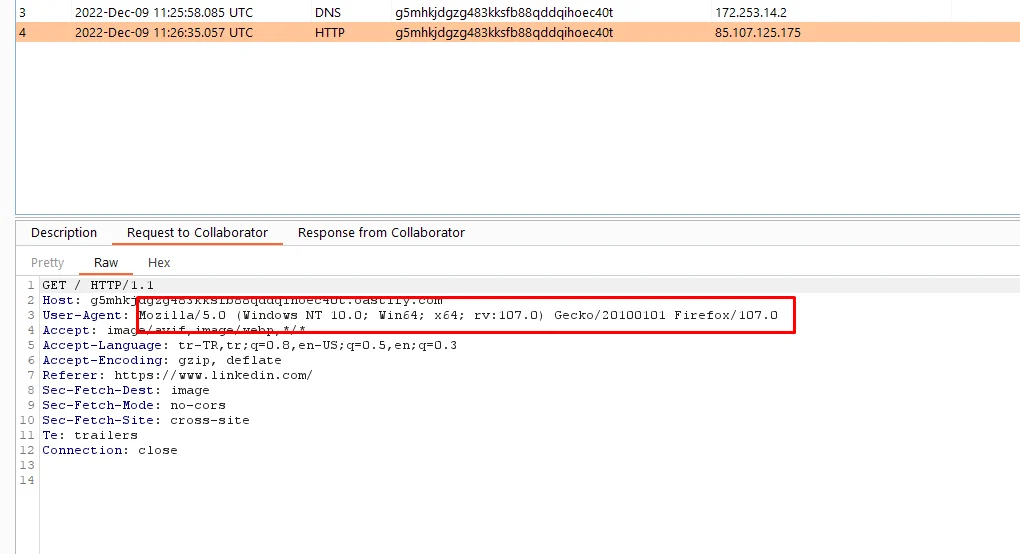
- The attacker can view the Operating System, Version Of The Operating System, Browser, IP Address, Device ID, Phone Model, Time Zone and other critical information about any LinkedIn user they have identified as a victim.
Steps to Reproduce
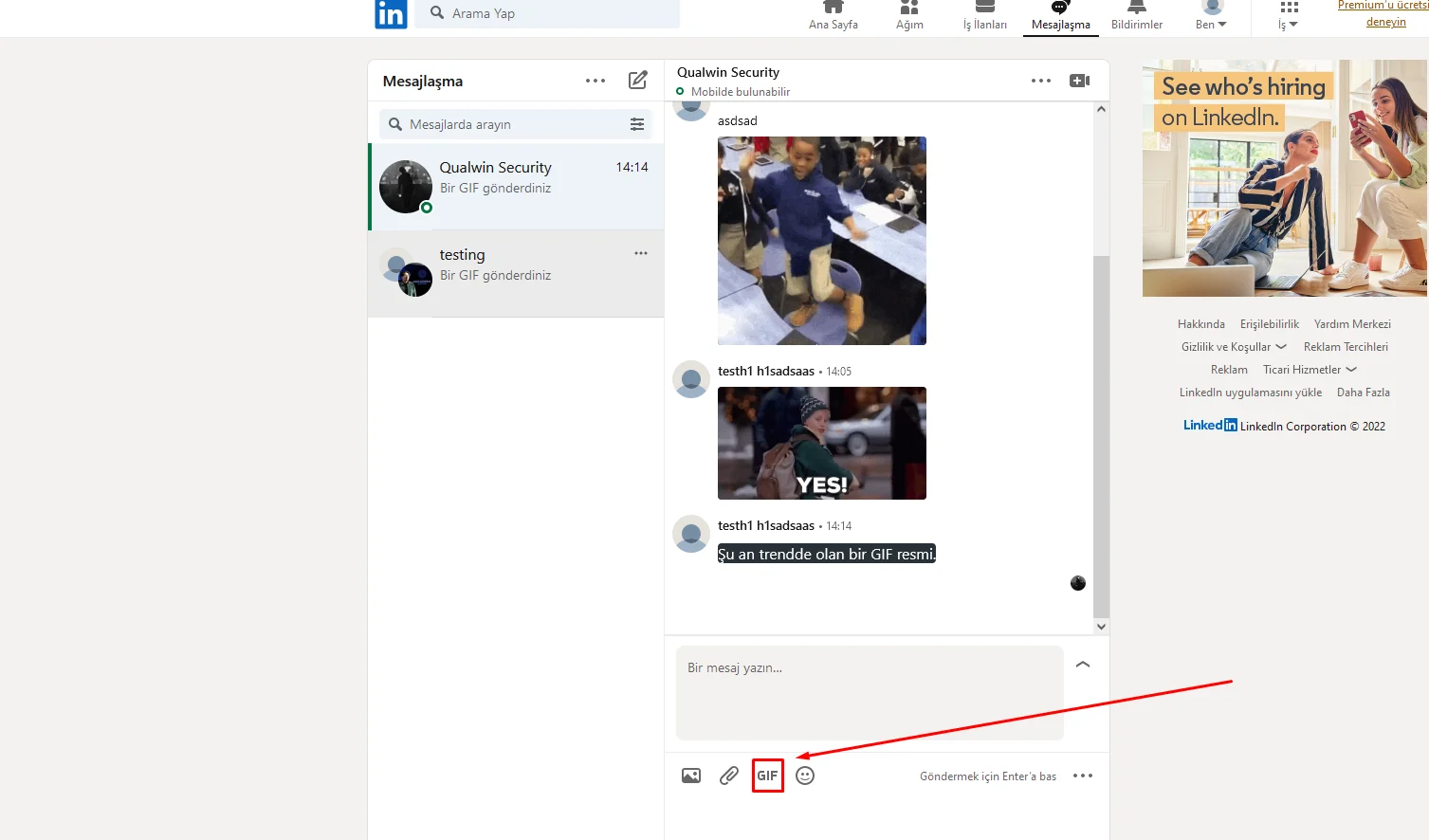
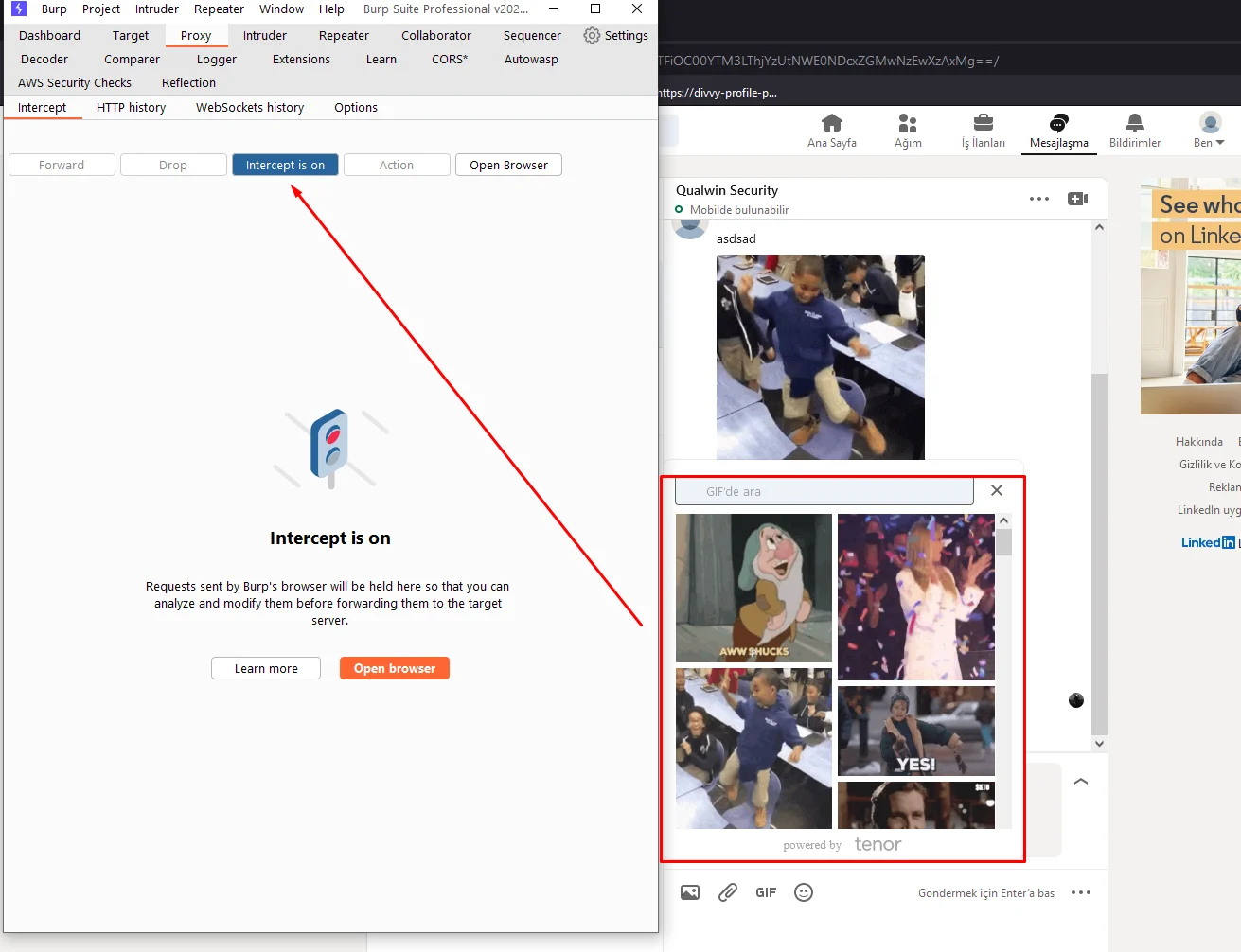
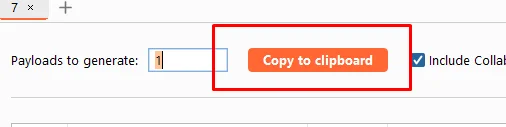
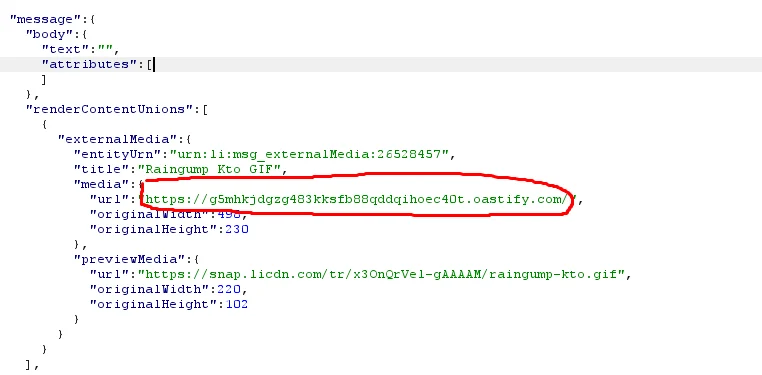
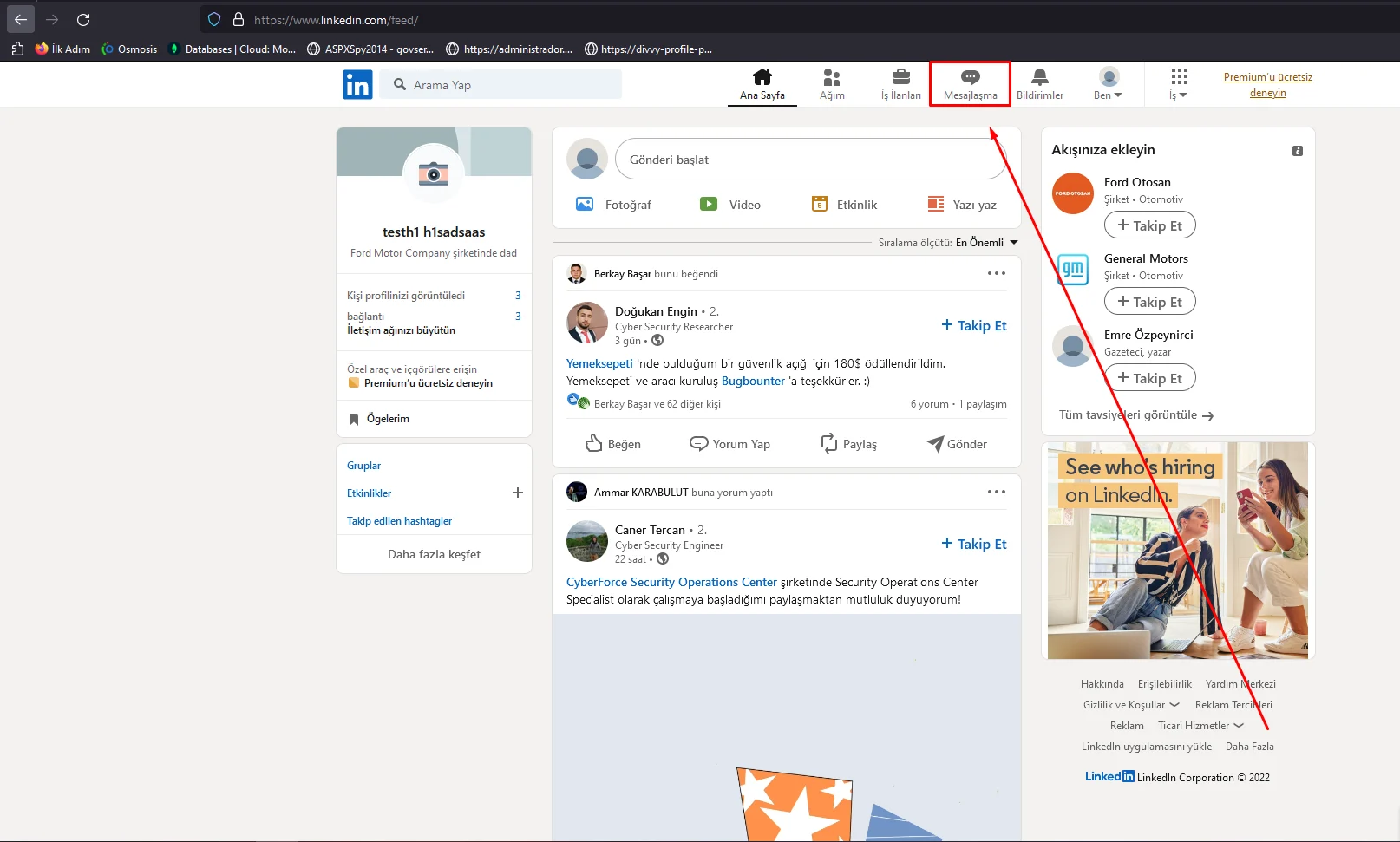
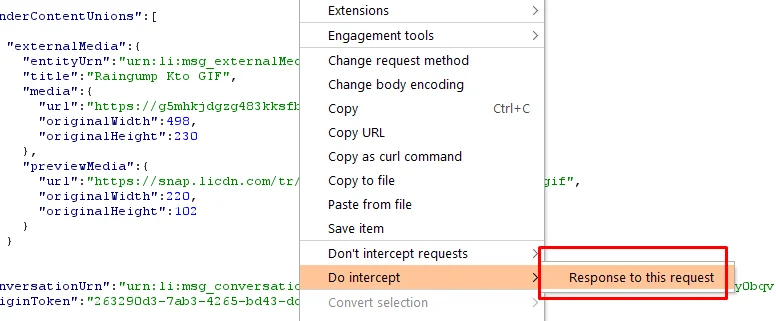
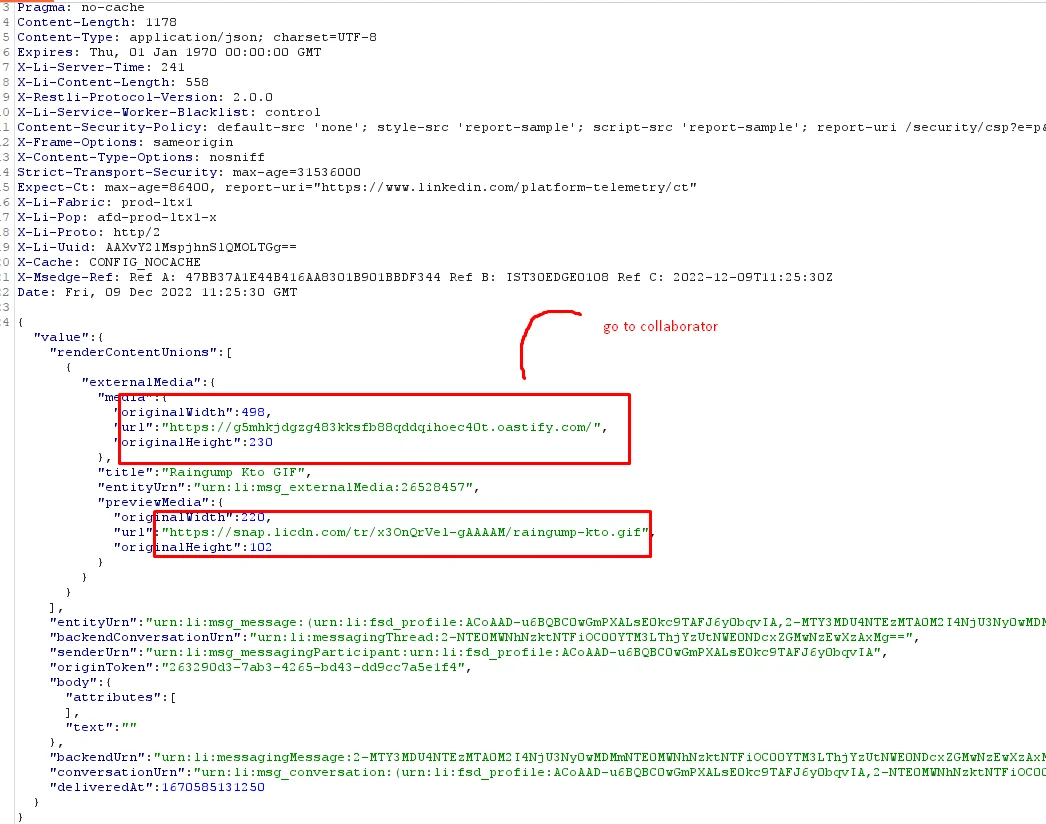
1- Create a standard linkedin user account to use in the attack. 2- Select a GIF from the GIF Keyboard and capture the request with Burp Suite while sending it to your victim. 3- Forward all requests until you get to the voyager/api/voyagerMessagingDashMessengerMessages?action=createMessage endpoint. In this request, type the Burp Suite Collaborator url in message.renderContentUnions.externalMedia.media.url in the JSON Data containing (parameters) section. 4- When the victim opens the message box, the attacker will get critical information about the victim.
** Steps Photo **

Notes
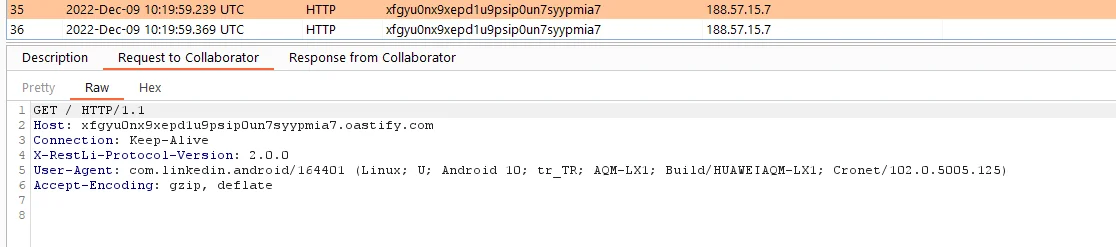
- This vulnerability affects not only smartphones but all platforms where you can use the link (Smart Phones, iPads, Web Browser, Smart TV etc.)
- When the victim uses an apple phone, much more and critical data can be obtained than the android and web version.

PoC Video
References
- Same Attack Scenarios
https://ph-hitachi.medium.com/facebook-bug-poc-external-service-interaction-dns-http-ab55bfdb98f6
Impact
Black Hat Hackers can get critical information about all LinkedIn users. The information obtained is very important for the privacy of the users and includes information such as IP address, OS versions.
Attachments
Not written yet. The AI write-up for this report has not been written yet. The Original tab links to the source.
How it worked
Root cause
Likely the application automatically loads external media (GIFs) from user-supplied URLs without sanitising or proxying them, allowing the attacker to receive a request from the victim's device.
Impact
An attacker could obtain sensitive information such as IP address, OS version, browser, device model, and time zone about any LinkedIn user, with more data available on Apple devices.
What the attacker needed
A LinkedIn account; victim opens the message box
How it was found
- Create a standard LinkedIn user account.
- Select a GIF and capture the request with Burp Suite while sending it to the victim.
- Forward requests until reaching the voyagerMessagingDashMessengerMessages endpoint.
- Replace the media URL with a Burp Collaborator URL.
- When the victim opens the message box, the attacker receives information about the victim.
Explained by bugbounty.wiki with AI from the original and checked against quotes from it; it can still be wrong. Read the original before relying on a detail.
Not written yet. The AI write-up for this report has not been written yet. The Original tab links to the source.
When you send a message with a GIF, LinkedIn loads the GIF from a web address. The attacker changes that address to their own server. When the victim opens the message, their device automatically contacts the attacker's server, which records details like the victim's IP address and device type. This is like someone learning where you live and what car you drive just because you opened a letter they sent.
What is Info disclosure?
Data the application should keep private (personal data, internal details, other users' records) reaches someone it should not.