Accessing unauthorized administration pages and seeing admin password - speakerkit.state.gov
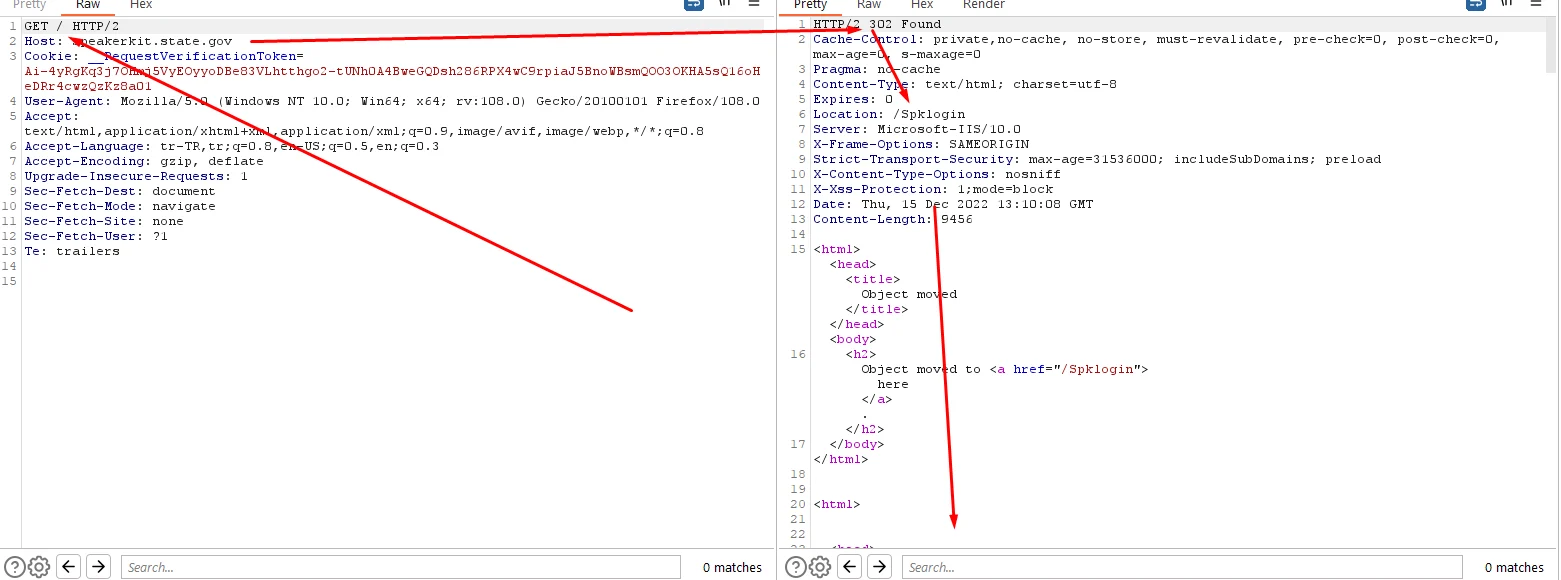
The web application returned HTTP 302 redirects for unauthorised access to admin pages, but still included the admin page content in the response body. By changing the status code from 302 to 200, the attacker could view admin pages and perform administrative actions such as uploading files and adding categories.

- Triaged in 6 hours
- Fixed in 2 months
- Disclosed after 3 months
Summary:
- I discovered an issue referred to as no-redirect in a subdomain on state.gov.
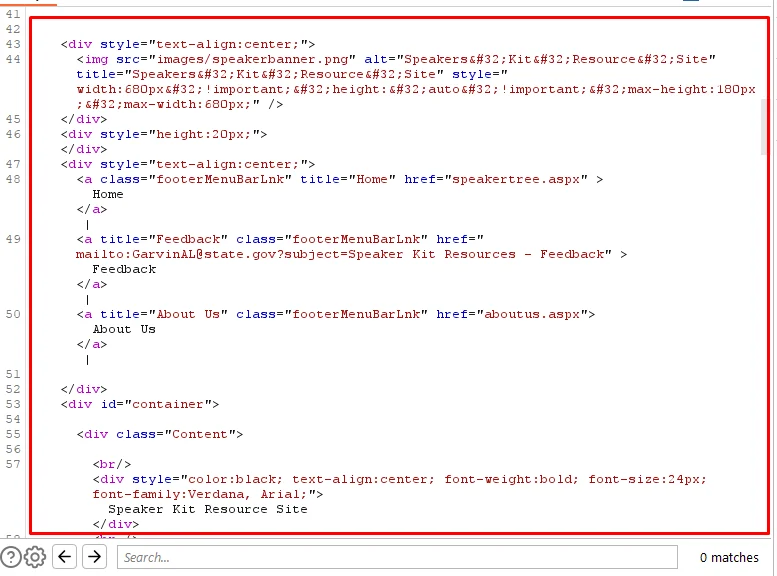
When you enter the page, it directs you directly to the entrance. When I examined it via burp suite, it gave 302 found, but the homepage data was showing below. When I tried it as admin, it still gave 302 found, but this time we could see the content of the admin page. this way i was able to see admin user and normal user's info. I was also able to perform many transactions. uploading files, adding categories and many more.
Steps To Reproduce:
1- Login to https://speakerkit.state.gov/
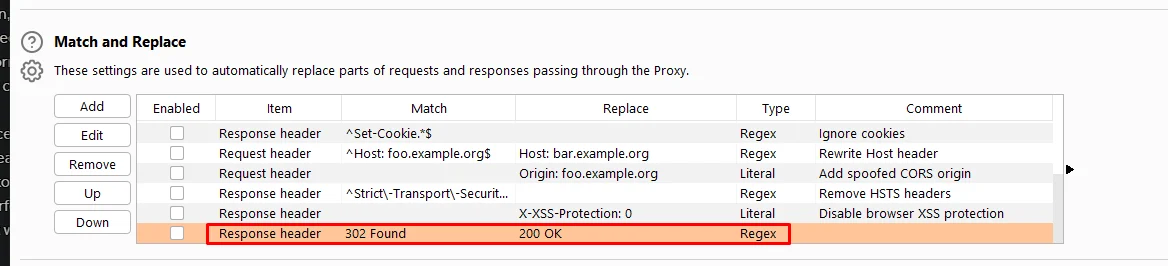
- and it will throw you to the page named "spklogin". Using the find and replace feature on burpsuite, I told it to change all requests that gave 302 found to 200 Ok, and I easily performed my operations.
You will be able to do it when you watch the video.
Supporting Material/References:
https://hackerone.com/reports/1026146 https://hackerone.com/reports/95441
- [attachment / reference]
- [ poc / video]
████████
Impact
access the admin page. unauthorized.
Not written yet. The AI write-up for this report has not been written yet. The Original tab links to the source.
How it worked
Root cause
Likely the application enforced access control only by sending a redirect, without stopping the generation or inclusion of the protected page content in the response.
Impact
An unauthorised user could access admin pages and perform actions such as uploading files and adding categories.
What the attacker needed
A user account; ability to intercept and modify HTTP responses
How it was found
- Log in to the application.
- Use Burp Suite to intercept requests and change all 302 Found responses to 200 OK.
- Access admin pages and perform actions such as uploading files and adding categories.
Explained by bugbounty.wiki with AI from the original and checked against quotes from it; it can still be wrong. Read the original before relying on a detail.
Not written yet. The AI write-up for this report has not been written yet. The Original tab links to the source.
When a website redirects you (HTTP 302) to a login page, it sometimes still sends the content of the page you asked for in the same response. If you change the status code to 200 OK, your browser will display that hidden content. Here, the admin pages were sent even though the user was not properly authorised, so the attacker could see and use them.
What is Access control?
A user can do something their role should not allow: reach an admin function, act on a feature they have not paid for, or skip a permission check. IDOR is the special case where the object belongs to someone else.