Microsoft Store free purschase vulnerabilites
The Microsoft Store's pre-order payment flow allowed a user to register a valid card, then cancel it, and still receive the product licence without being charged because the licence was not revoked after the failed charge. A second bypass let users enter developer sandboxes without authorisation and obtain free Xbox Live and Game Pass subscriptions that appeared as real purchases.
 Published on gccybermonks.com
Microsoft has an extensive BugBounty program. I have already participated a few times and received some acknowledgements on the MSRC (Microsoft Security Response Center) portal, so I identified a great bug in Microsoft’s payment method.
The full write-up lives on its author's site
It belongs to its author, so we link to it rather than copy it. The other two tabs are our own rewrites, checked against it.
Context
Microsoft runs an extensive bug bounty programme, and the target here is the payment logic behind the Microsoft Store and Xbox Live: the flow that takes a customer from a filled cart to a settled transaction. The author had already taken part in the programme a few times and received acknowledgements on the MSRC (Microsoft Security Response Center) portal before turning attention to the payment method itself.
The bug he found let him buy products from the store without paying anything for them. Two separate bypasses are described: one in the billing logic for pre-order products, and one in the developer sandbox model on Xbox One consoles.
To understand the first bug you need the purchase flow as the author lays it out:
- The customer, logged in to the Xbox or Microsoft Store, searches for and selects the products he is interested in and at the end of the purchase requests to close the cart, initiating the payment process.
- Microsoft receives the purchase request for the selected items and the payment details.
- The Microsoft Payment Host makes a request to the responsible Payment Gateway.
- The payment gateway consults the acquirer so that he can settle the transaction.
- The acquirer consults the financial institution to find out if the customer has sufficient credit for the transaction.
- The bank submits the transaction to its validation rules, which among other things checks whether the customer has credit to complete the transaction and returns the answer to the acquirer.
- The inverse process takes place so that the purchase approval is completed.
Microsoft also has two product categories: release products (games that have already been released) and pre-order products (games to be released).
Setup
The first bypass starts from an Xbox Live account with a payment method attached. The author registered a valid credit card on his account, which triggers the first payment gateway consultation. He also used a prepaid card and a PayPal account without sufficient funds in some cases, so a full credit card is not strictly required.
Finding it
The author's starting observation is about when billing validation actually happens for each product category.
For release products, the validation (checkout performed by the gateway) occurs at the time of credit card registration and at the time of purchase.
For pre-order products, validation occurs at the time of registration and purchase, but with a difference. The charge for a pre-order product occurs at the time of purchase, but if there is no limit available, it will occur at another time: if the first charge fails, the second charge happens 10 days before the product is launched. Steps 2 to 7 of the flow above are therefore performed exactly 10 days before the product becomes a release.
The pre-order sequence is:
- Credit card registration: a query to the payment gateway is carried out to confirm that the data entered is a valid credit card.
- Product purchase: the second consultation is made at the payment gateway, but as it is a pre-order product there is no obligation to pay at the time of purchase, and there is an implicit option of being charged 10 days before the release.
- Product delivery: the product is sent to the buyer.
The gap the author saw is that the card only has to be valid at registration time. If it can be made invalid before the deferred debit, the product is delivered and the charge never succeeds. In his words, to bypass the payment we have to make our credit card a valid card at the time of registering the payment method and an invalid card at the time of debiting the product value.
Exploitation
Step 1: register a valid card
We registered a valid card in our Xbox Live account. The first payment gateway consultation is performed at this point, and the card passes it.
Step 2: invalidate the card
We cancel and block the credit card at the issuing bank.
Step 3: buy pre-sale products with the now invalid card
Now with an invalid card, we can buy the products in pre-sale. The second consultation with the gateway is carried out, but as the collection can be made 10 days before the release, we can access the products without being charged.
Step 4: the deferred debit fails
The attempted debit of the registered card will be made 10 days before the launch of the product, and you will be able to receive several notifications informing you about the payment failure. The author's summary of this stage is "Keep Calm and Bypass".
Step 5: the licence survives the failed payment
At that moment, we found the flaw and it is in the purchase refund, because the product licence is not revoked. When the product is released you normally have the licence and will be able to enjoy the games.
The author notes that after a while he realised that in some cases it is not necessary to cancel a valid credit card: a prepaid card or a PayPal account without sufficient funds also works.
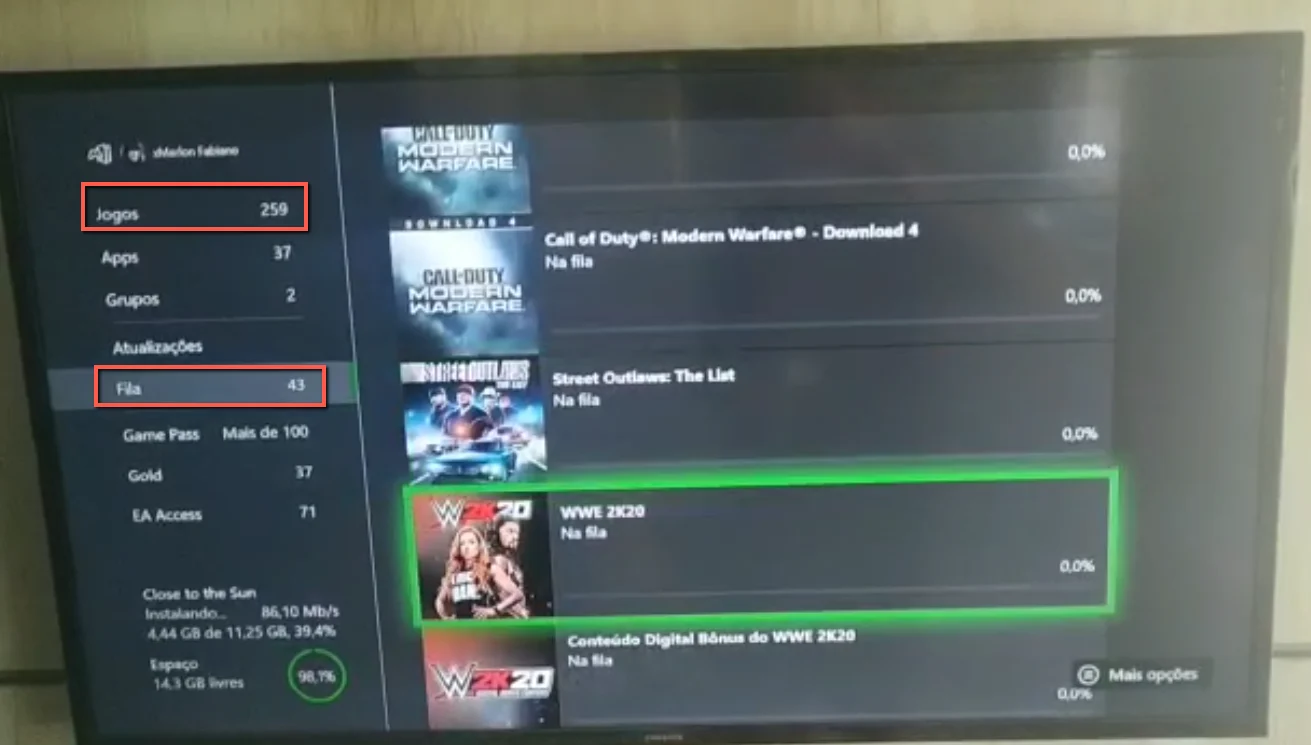
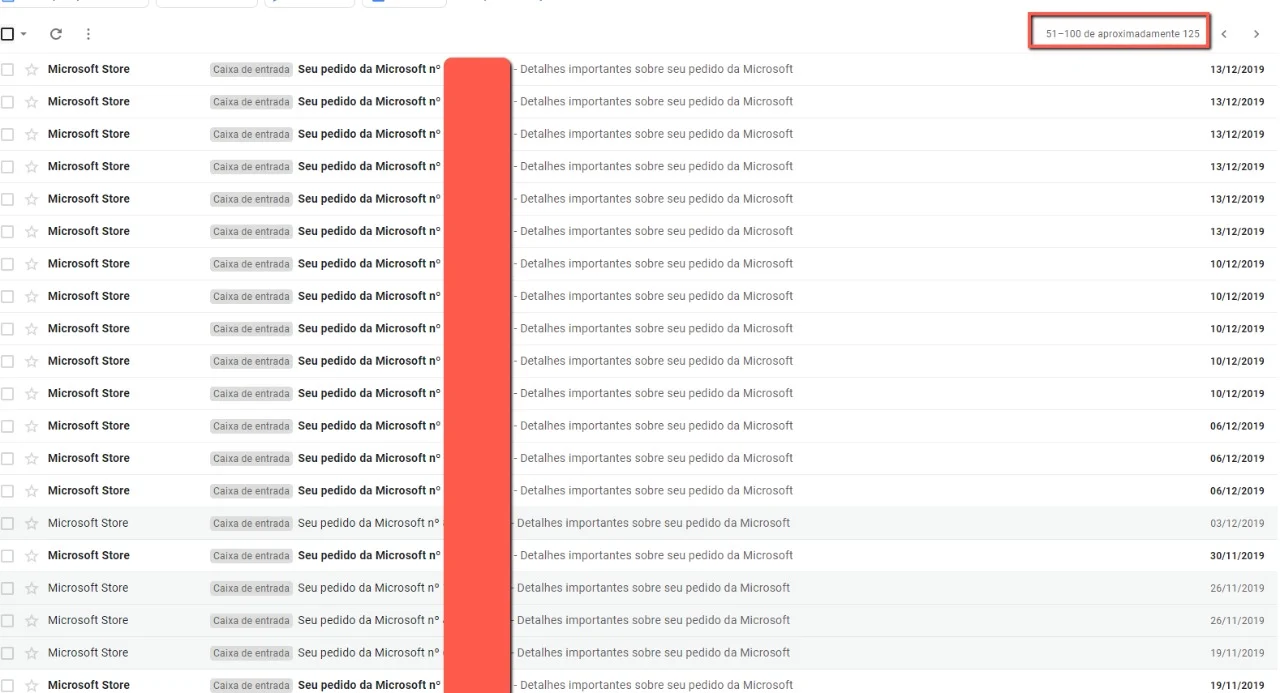
The PoC screenshots from the report:
Getting it taken seriously
When the author first reported the failure to the MSRC it was not that simple, because the triage team discredited it even with the PoCs, from someone who said: "Hey Microsoft, I can subscribe to Xbox Live for free." His ticket was closed. He continued to improve the vulnerability and after a while opened a new ticket saying: "Hey Microsoft, in addition to subscribing to your services, now I can buy your products without paying anything". After much discredit by the MSRC and after many purchases (about US$ 5k in products) they replied: "Hey, stay with us, as we will continue to reproduce your bug".
At the time of this report there was no programme for Xbox One assets. After the MSRC accepted the bug, they created a private programme to which the author was invited, and later launched a public programme. The bug has since been fixed, and the author was rewarded with a bounty through the reward programme.
Second bypass
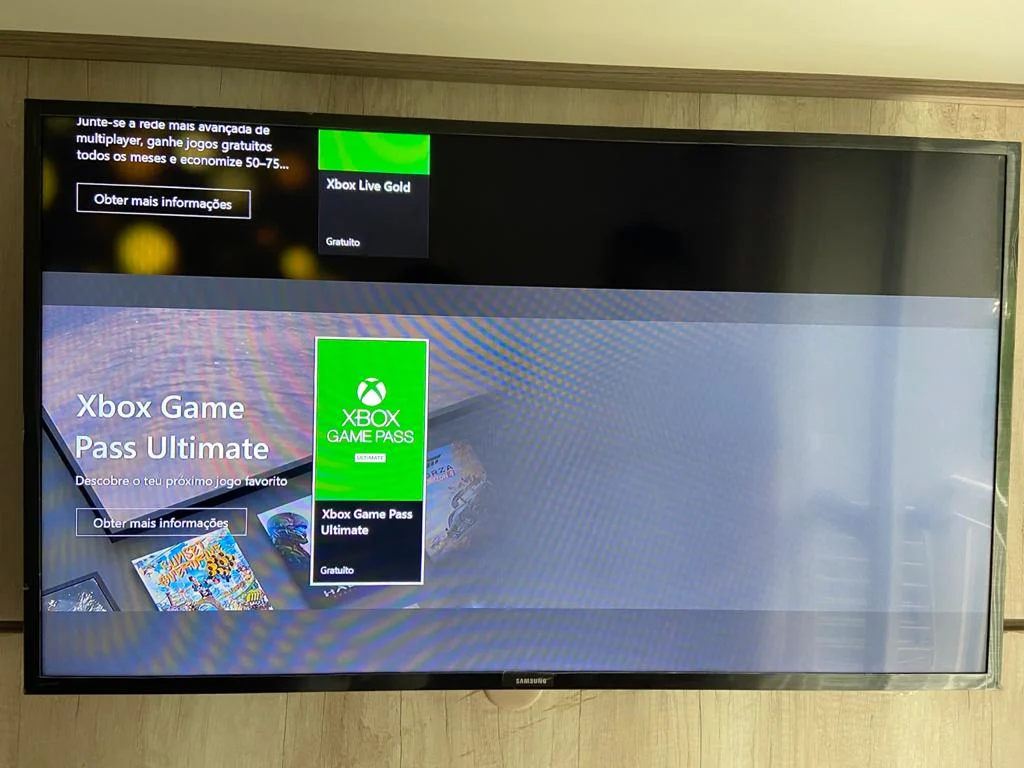
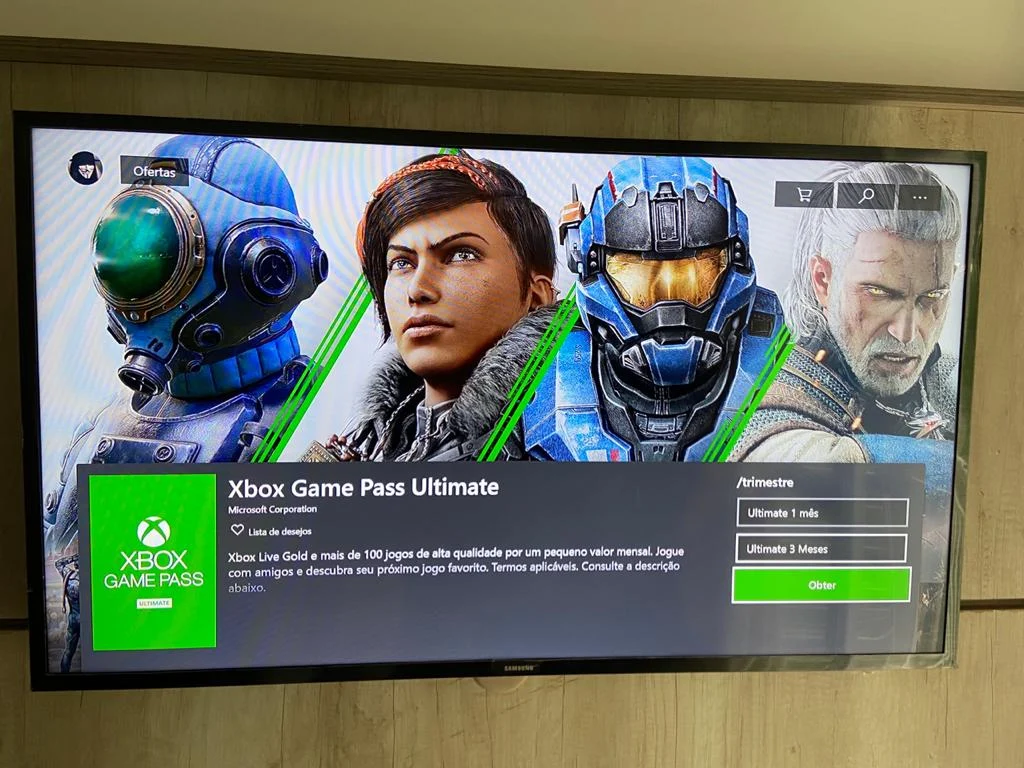
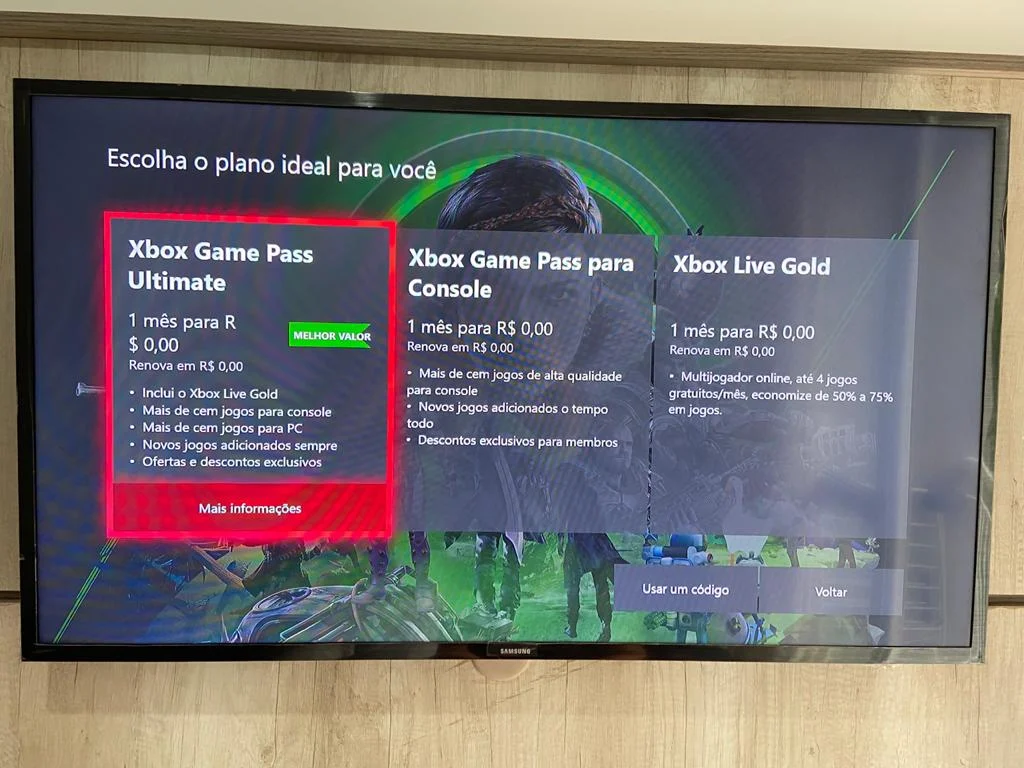
The second issue is reached by accessing the sandbox from Microsoft developers and subscribing to Xbox Live and Xbox Game Pass services.
Exploitation was possible through change and lack of control in the sandbox. Xbox One has a developer mode that allows some different interactions than consoles in Retail. When a console is in Dev Mode it is possible to change the current sandbox to interact with some features that should only be available to the owners of those sandboxes. With the "Developer Mode activation" application it is possible to change the console sandboxes, or in some cases it is also possible to go to the Xbox menu at Settings > System > Console Information and press the LB + RB + LT + RT keys. The second method does not work on all sandboxes after some updates from Microsoft.
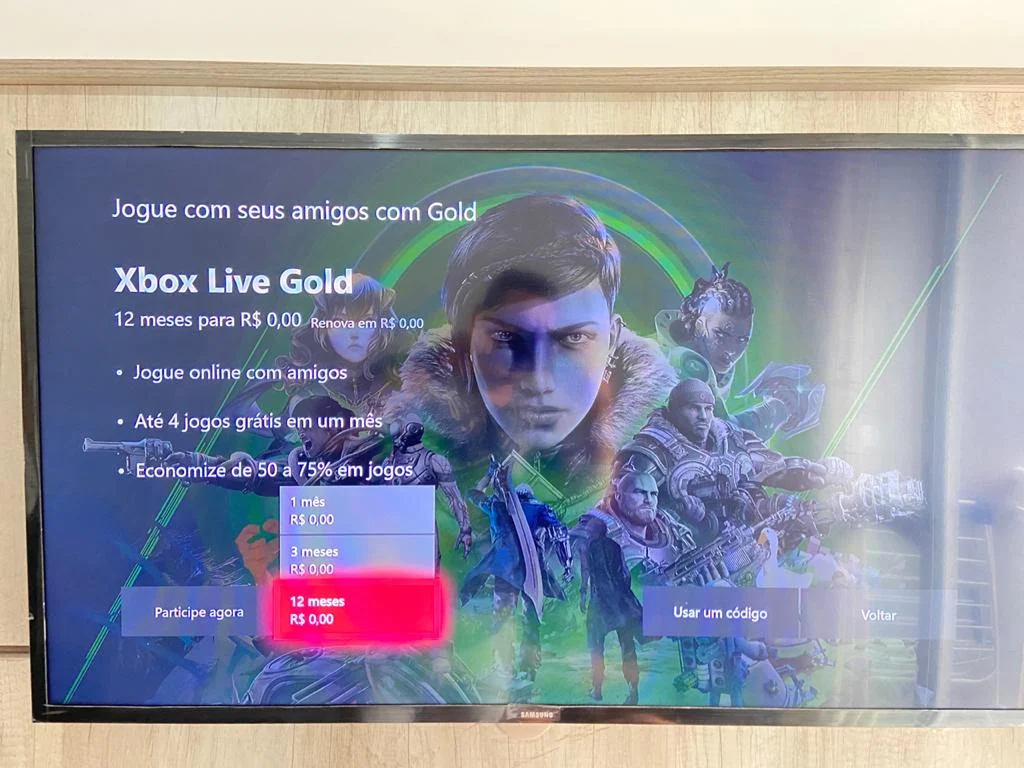
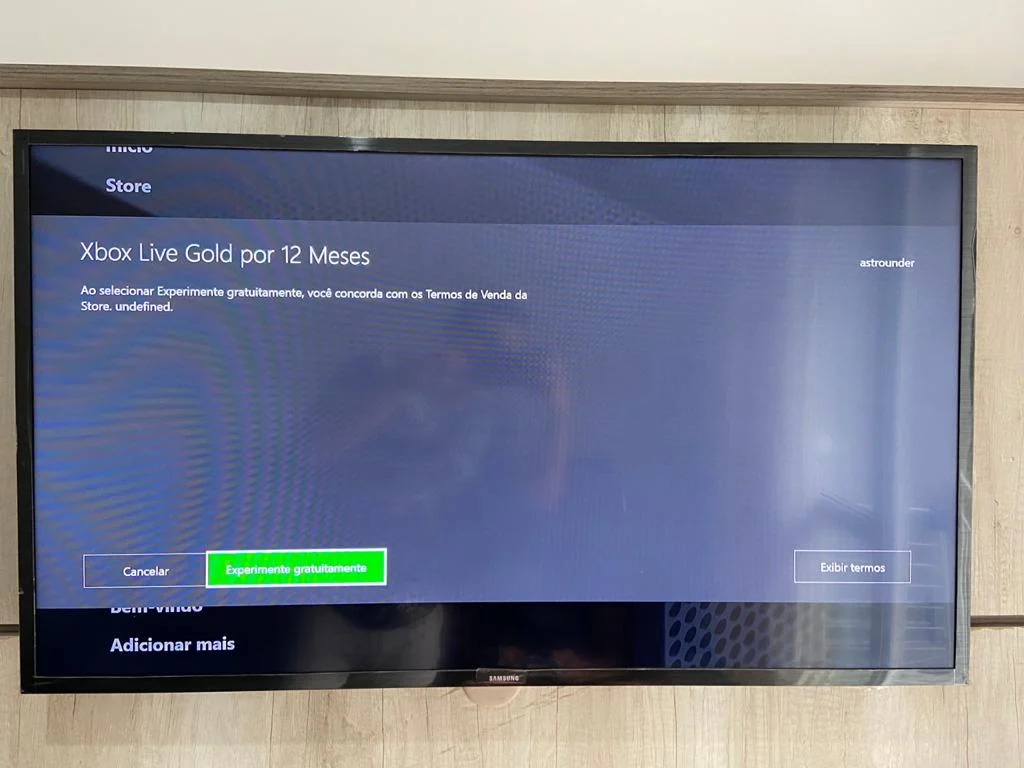
The vulnerability occurs within some sandboxes from Microsoft developers, where there is an option to purchase service subscriptions (Xbox Live, Game Pass PC, Game Pass Console and Game Pass Ultimate). As it is a development environment, there is no charge for it. The failure is only possible because there is no segmentation of what was purchased within the development environment and what was purchased in retail. Purchases within the development environment therefore appear in purchases made at MSA as if they were a real purchase. This was confirmed by contacting Xbox support, who did not know how the author owned the Game Pass Ultimate subscription without paying a cent.
At the time of the report it was possible to enter the sandbox just by knowing its ID. The known sandboxes are:
RETAIL (Retail ID)

XDKS.1 (Dev ID)

MSFT.XDK (Dev ID)

MSFT.1 (Dev ID)

MSFT.PRERELEASE (Dev ID)

MSFT.Dogfood (Dev ID)

MSFT.99 (Dev ID)

MSFT.88 (Dev ID)

TURN.99 (Turn 10's App Debugging ID)

RKTR.99 (Dev ID)

BNGE.99 (Destiny's App Debugging ID)
The vulnerability was reported to the MSRC. They said there was no such crossover of subscriptions for the Retail and Dev environments, but they did not know how to explain how the author had logged into the listed sandboxes. Even so, they said the vulnerability was not a security breach and closed the case. After the vulnerability was published on Twitter at https://twitter.com/astrounder/status/1284109107922968577 it was fixed, but Microsoft did not contact the author to mention the incident.
PoC screenshots from the report:
Root cause
For the first bypass, the design flaw is the split between validation and settlement. The gateway is consulted when the card is registered and again at purchase, but for pre-orders the actual debit is deferred to 10 days before release. The flaw is in the purchase refund, because the product licence is not revoked. The result is that a card which is valid at registration and invalid at debit still yields a licence that is not revoked.
For the second bypass, the root cause is the absence of segmentation between retail and development purchases, combined with missing authentication and authorisation on sandbox entry. Because a dev-environment purchase is recorded against the MSA as if it were a real purchase, a subscription obtained for free inside a developer sandbox is treated as genuine. At the time of the report, knowing a sandbox ID was enough to enter it.
Impact
An attacker with an Xbox Live account could obtain pre-order products without paying, by registering a valid card and then invalidating it (cancelling and blocking it at the issuing bank, or using a prepaid card or PayPal account without sufficient funds) before the deferred debit. The author made about US$ 5k in purchases before the MSRC engaged. The licence is not revoked when the charge fails, so the games remain playable after release.
On the console side, an attacker in Developer Mode could change the sandbox to a Microsoft developer sandbox and subscribe to Xbox Live and Game Pass tiers (Game Pass PC, Game Pass Console, Game Pass Ultimate) without being charged, with the subscription appearing as a real purchase on the MSA.
Fix
For the first bypass, the author states the bug has already been fixed; the report does not describe the change. For the second, he states what a correction would require: segmenting retail and development purchases, and implementing authentication and authorisation control to validate that the user entering the sandbox really has permission to do so. The report notes that the sandbox issue was fixed after public disclosure on Twitter.
Variants to test
- Deferred-charge products on other stores. Look for any product where the debit is scheduled for a later date (pre-orders, subscriptions with trial periods, delayed billing). A positive result is a delivered entitlement that survives a failed charge at the scheduled debit.
- Payment method invalidation between validation and settlement. Register a valid card, then cancel or block it before the deferred debit. A positive result is the product remaining accessible after the failure notification.
- Alternative funding sources. Repeat the same flow with a prepaid card or a PayPal account without sufficient funds. A positive result is the same free entitlement without needing to cancel a real card.
- Licence revocation on failed payment. After a failed debit, check whether the licence is revoked. A positive result is that it is not, and the product is still usable.
- Sandbox or environment crossover. On platforms with developer or test environments, check whether purchases made there are recorded as retail purchases. A positive result is a paid subscription appearing on the account without a charge.
- Sandbox entry control. Try entering a known sandbox ID without further authorisation. A positive result is access to a sandbox you do not own, with its subscription purchase options available.
What happened, in plain words
Microsoft runs a bug bounty programme: a scheme where security researchers who find flaws in Microsoft products report them and can be rewarded. The author had already taken part a few times and had received acknowledgements on the MSRC (Microsoft Security Response Center) portal, the place where Microsoft tracks reported security issues. This time he looked at the payment logic behind the Microsoft Store and Xbox Live, meaning the sequence of steps that takes a customer from a full shopping cart to a completed, paid transaction.
He found a bug that let him buy products from the store without paying anything for them. The article describes two separate bypasses. A bypass here means getting past a control (in this case, paying) without satisfying it. The first bypass is in the billing logic for pre-order products, games that have not been released yet but can be bought in advance. The second is in the developer sandbox model on Xbox One consoles, where a sandbox is an isolated environment used by developers to test things.
To follow the first bug you need the purchase flow as the author lays it out. Think of it like paying at a restaurant: you order, the waiter passes the order to the kitchen, the kitchen checks with the supplier that the ingredients exist, and only then is the meal prepared and served. Here the steps are:
- The customer, logged in to the Xbox or Microsoft Store, searches for and selects the products he is interested in and at the end of the purchase requests to close the cart, initiating the payment process.
- Microsoft receives the purchase request for the selected items and the payment details.
- The Microsoft Payment Host makes a request to the responsible Payment Gateway.
- The payment gateway consults the acquirer so that he can settle the transaction.
- The acquirer consults the financial institution to find out if the customer has sufficient credit for the transaction.
- The bank submits the transaction to its validation rules, which among other things checks whether the customer has credit to complete the transaction and returns the answer to the acquirer.
- The inverse process takes place so that the purchase approval is completed.
A few of those words need unpacking. A payment gateway is the service that sits between a shop and the banking system and carries card details to the bank. An acquirer is the bank-side entity that handles card payments on behalf of the merchant. A financial institution here is the customer's bank, the one that actually holds the money or credit. Validation rules are the checks the bank runs before approving a charge, such as whether there is enough credit.
Microsoft also has two product categories: release products (games that have already been released) and pre-order products (games to be released).
Setup
The first bypass starts from an Xbox Live account with a payment method attached. A payment method is simply the card or account the store will charge. The author registered a valid credit card on his account, which triggers the first payment gateway consultation, the check described in step 1 of the pre-order sequence below. He also used a prepaid card and a PayPal account without sufficient funds in some cases, so a full credit card is not strictly required.
Finding it
The author's starting observation is about when billing validation actually happens for each product category. Validation here means the gateway checking that the card is real and usable.
For release products, the validation (checkout performed by the gateway) occurs at the time of credit card registration and at the time of purchase.
For pre-order products, validation occurs at the time of registration and purchase, but with a difference. The charge for a pre-order product occurs at the time of purchase, but if there is no limit available, it will occur at another time: if the first charge fails, the second charge happens 10 days before the product is launched. Steps 2 to 7 of the flow above are therefore performed exactly 10 days before the product becomes a release.
The pre-order sequence is:
- Credit card registration: a query to the payment gateway is carried out to confirm that the data entered is a valid credit card.
- Product purchase: the second consultation is made at the payment gateway, but as it is a pre-order product there is no obligation to pay at the time of purchase, and there is an implicit option of being charged 10 days before the release.
- Product delivery: the product is sent to the buyer.
The gap the author saw is that the card only has to be valid at registration time. If it can be made invalid before the deferred debit, the product is delivered and the charge never succeeds. A deferred debit is a charge that is scheduled for later instead of happening immediately. In his words, to bypass the payment we have to make our credit card a valid card at the time of registering the payment method and an invalid card at the time of debiting the product value.
Exploitation
Step 1: register a valid card
We registered a valid card in our Xbox Live account. The first payment gateway consultation is performed at this point, and the card passes it. This step exists to get past the first check, the one that happens at registration.
Step 2: invalidate the card
We cancel and block the credit card at the issuing bank. The issuing bank is the bank that gave the customer the card.
Step 3: buy pre-sale products with the now invalid card
Now with an invalid card, we can buy the products in pre-sale. The second consultation with the gateway is carried out, but as the collection can be made 10 days before the release, we can access the products without being charged.
Step 4: the deferred debit fails
The attempted debit of the registered card will be made 10 days before the launch of the product, and you will be able to receive several notifications informing you about the payment failure. The author's summary of this stage is "Keep Calm and Bypass": the failure notification arrives, but nothing else happens to take the product away.
Step 5: the licence survives the failed payment
At that moment, we found the flaw and it is in the purchase refund, because the product licence is not revoked. A licence here is the digital permission that says you own the product and may play it. Revoking it would mean taking that permission back. When the product is released you normally have the licence and will be able to enjoy the games.
The author notes that after a while he realised that in some cases it is not necessary to cancel a valid credit card: a prepaid card or a PayPal account without sufficient funds also works. A prepaid card is a card you top up with money in advance, so it can be valid at registration and empty at debit time.
The PoC screenshots from the report. PoC stands for Proof of Concept, evidence that the bug really works:
Getting it taken seriously
When the author first reported the failure to the MSRC it was not that simple, because the triage team discredited it even with the PoCs, from someone who said: "Hey Microsoft, I can subscribe to Xbox Live for free." Triage is the first stage of handling a report, where a team decides whether it is a real issue. His ticket was closed. He continued to improve the vulnerability and after a while opened a new ticket saying: "Hey Microsoft, in addition to subscribing to your services, now I can buy your products without paying anything". After much discredit by the MSRC and after many purchases (about US$ 5k in products) they replied: "Hey, stay with us, as we will continue to reproduce your bug".
At the time of this report there was no programme for Xbox One assets. An asset, in bug bounty language, is the product or system a programme covers. After the MSRC accepted the bug, they created a private programme to which the author was invited, and later launched a public programme. The bug has since been fixed, and the author was rewarded with a bounty through the reward programme. A bounty is the payment a programme gives for a valid report.
Second bypass
The second issue is reached by accessing the sandbox from Microsoft developers and subscribing to Xbox Live and Xbox Game Pass services. Game Pass is Microsoft's subscription service for playing a library of games.
Exploitation was possible through change and lack of control in the sandbox. Xbox One has a developer mode that allows some different interactions than consoles in Retail. When a console is in Dev Mode it is possible to change the current sandbox to interact with some features that should only be available to the owners of those sandboxes. With the "Developer Mode activation" application it is possible to change the console sandboxes, or in some cases it is also possible to go to the Xbox menu at Settings > System > Console Information and press the LB + RB + LT + RT keys. Those are four buttons on the controller, pressed together as a shortcut. The second method does not work on all sandboxes after some updates from Microsoft.
The vulnerability occurs within some sandboxes from Microsoft developers, where there is an option to purchase service subscriptions (Xbox Live, Game Pass PC, Game Pass Console and Game Pass Ultimate). As it is a development environment, there is no charge for it. The failure is only possible because there is no segmentation of what was purchased within the development environment and what was purchased in retail. Segmentation here means keeping the two worlds apart in the records. Purchases within the development environment therefore appear in purchases made at MSA as if they were a real purchase. MSA is the Microsoft account tied to the user. This was confirmed by contacting Xbox support, who did not know how the author owned the Game Pass Ultimate subscription without paying a cent.
At the time of the report it was possible to enter the sandbox just by knowing its ID. In other words, there was no check that the person typing the ID was allowed to be there. The known sandboxes are:
RETAIL (Retail ID)

XDKS.1 (Dev ID)

MSFT.XDK (Dev ID)

MSFT.1 (Dev ID)

MSFT.PRERELEASE (Dev ID)

MSFT.Dogfood (Dev ID)

MSFT.99 (Dev ID)

MSFT.88 (Dev ID)

TURN.99 (Turn 10's App Debugging ID)

RKTR.99 (Dev ID)

BNGE.99 (Destiny's App Debugging ID)
Each line is one sandbox name followed by what kind of sandbox it is. RETAIL is the normal customer environment. The others are development or debugging environments, some belonging to specific studios: Turn 10 and Destiny are named in the list. A Dev ID is the identifier of a development sandbox.
The vulnerability was reported to the MSRC. They said there was no such crossover of subscriptions for the Retail and Dev environments, but they did not know how to explain how the author had logged into the listed sandboxes. Even so, they said the vulnerability was not a security breach and closed the case. After the vulnerability was published on Twitter at https://twitter.com/astrounder/status/1284109107922968577 it was fixed, but Microsoft did not contact the author to mention the incident.
PoC screenshots from the report:
Root cause
For the first bypass, the design flaw is the split between validation and settlement. Settlement is the moment money actually moves. The gateway is consulted when the card is registered and again at purchase, but for pre-orders the actual debit is deferred to 10 days before release. The flaw is in the purchase refund, because the product licence is not revoked. An entitlement is the right to use the product. The result is that a card which is valid at registration and invalid at debit still yields a licence that is not revoked.
For the second bypass, the root cause is the absence of segmentation between retail and development purchases, combined with missing authentication and authorisation on sandbox entry. Authentication means proving who you are; authorisation means being allowed to do what you are trying to do. Because a dev-environment purchase is recorded against the MSA as if it were a real purchase, a subscription obtained for free inside a developer sandbox is treated as genuine. At the time of the report, knowing a sandbox ID was enough to enter it.
Impact
An attacker with an Xbox Live account could obtain pre-order products without paying, by registering a valid card and then invalidating it (cancelling and blocking it at the issuing bank, or using a prepaid card or PayPal account without sufficient funds) before the deferred debit. The author made about US$ 5k in purchases before the MSRC engaged. The licence is not revoked when the charge fails, so the games remain playable after release.
On the console side, an attacker in Developer Mode could change the sandbox to a Microsoft developer sandbox and subscribe to Xbox Live and Game Pass tiers (Game Pass PC, Game Pass Console, Game Pass Ultimate) without being charged, with the subscription appearing as a real purchase on the MSA. E-commerce simply means buying and selling online.
Fix
For the first bypass, the author states the bug has already been fixed; the report does not describe the change. For the second, he states what a correction would require: segmenting retail and development purchases, and implementing authentication and authorisation control to validate that the user entering the sandbox really has permission to do so. The report notes that the sandbox issue was fixed after public disclosure on Twitter.
Variants to test
- Deferred-charge products on other stores. Look for any product where the debit is scheduled for a later date (pre-orders, subscriptions with trial periods, delayed billing). A positive result is a delivered entitlement that survives a failed charge at the scheduled debit.
- Payment method invalidation between validation and settlement. Register a valid card, then cancel or block it before the deferred debit. A positive result is the product remaining accessible after the failure notification.
- Alternative funding sources. Repeat the same flow with a prepaid card or a PayPal account without sufficient funds. A positive result is the same free entitlement without needing to cancel a real card.
- Licence revocation on failed payment. After a failed debit, check whether the licence is revoked. A positive result is that it is not, and the product is still usable.
- Sandbox or environment crossover. On platforms with developer or test environments, check whether purchases made there are recorded as retail purchases. A positive result is a paid subscription appearing on the account without a charge.
- Sandbox entry control. Try entering a known sandbox ID without further authorisation. A positive result is access to a sandbox you do not own, with its subscription purchase options available.
Glossary
- Bug bounty programme: a scheme where an organisation pays researchers for reporting security flaws in its products.
- MSRC: Microsoft Security Response Center, the portal and team that handle reported Microsoft security issues.
- Payment logic: the sequence of checks and steps a store follows to take money for an order.
- Bypass: getting past a control, such as payment, without satisfying it.
- Pre-order: buying a product before it is released.
- Release product: a product that has already been released.
- Payment gateway: the service between a shop and the banking system that carries card details to the bank.
- Acquirer: the bank-side entity that handles card payments for the merchant.
- Financial institution: the customer's bank, which holds the money or credit.
- Validation rules: the checks a bank runs before approving a charge.
- Payment method: the card or account a store charges.
- Validation: checking that a card is real and usable.
- Deferred debit: a charge scheduled for a later date instead of immediately.
- Issuing bank: the bank that issued the customer's card.
- Licence: the digital permission that says you own a product and may use it.
- Revoke: to take a permission back.
- Prepaid card: a card topped up with money in advance.
- PoC: Proof of Concept, evidence that a bug really works.
- Triage: the first stage of handling a report, where a team decides whether it is a real issue.
- Asset: the product or system a bug bounty programme covers.
- Bounty: the payment a programme gives for a valid report.
- Sandbox: an isolated environment used by developers to test things.
- Developer Mode / Dev Mode: a console mode that allows interactions different from normal Retail mode.
- Retail mode: the normal mode a customer console runs in.
- Game Pass: Microsoft's subscription service for playing a library of games.
- Segmentation: keeping two environments, such as retail and development, separate in the records.
- MSA: the Microsoft account tied to the user.
- Dev ID: the identifier of a development sandbox.
- Settlement: the moment money actually moves.
- Entitlement: the right to use a product.
- Authentication: proving who you are.
- Authorisation: being allowed to do what you are trying to do.
- E-commerce: buying and selling online.
- Public disclosure: making details of a vulnerability public.






