OTP bypass - Unintended disclosure of OTP to client allows attacker to manage users' subscriptions
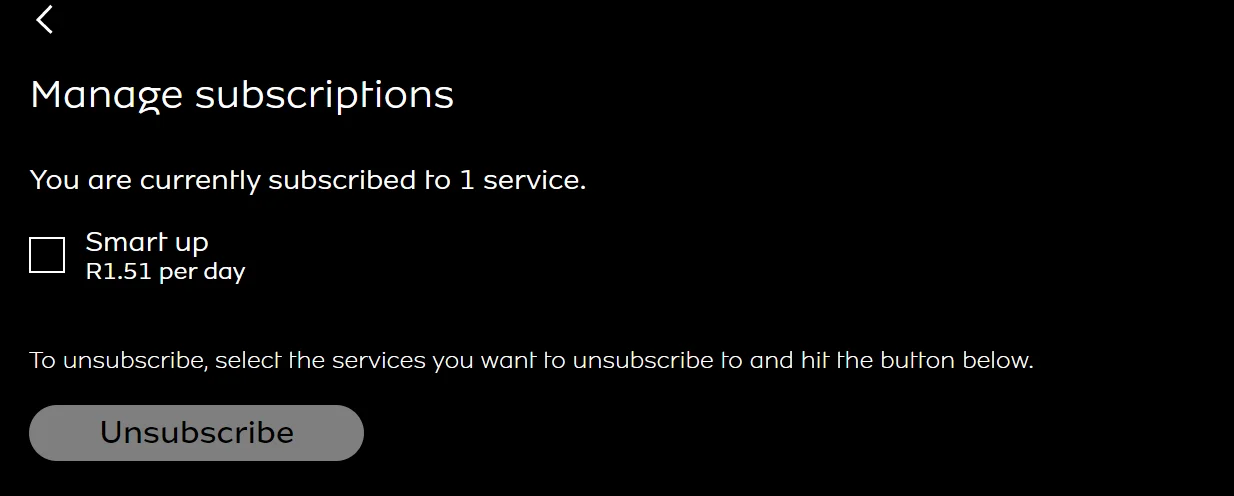
The service returned the one-time password in the network response when sending it to a subscriber. An attacker who knows a subscriber's number could read that OTP and use it to pass the verification step and change the user's subscriptions.
b5bb904ea6b315a566eb691 Follow
 Originally disclosed on HackerOne
- Triaged in 9 days
- Fixed in 53 days
- Disclosed after 3 months
Summary:
███████ authenticates subscribers via OTP before their subscriptions to be changed. However, the request which sends the OTP also returns the OTP in the network response, allowing an attacker to manage a user's usbscriptions.
Steps To Reproduce:
- Visit ████████ and open network inspector (e.g., in Chrome)
- Type in a subscriber's number (here, I used a random number, 0787765562)
- Type in the
otpKeyin the network response into the OTP prompt field on the website - The OTP prompt field has been bypassed
Supporting Material/References:
- F689609 - Example of a network response
Impact
Change a user's subscriptions. This might also be part of a larger issue if the send-otp/ endpoint is used elsewhere.
Attachments

Not written yet. The AI write-up for this report has not been written yet. The Original tab links to the source.
How it worked
Impact
An attacker could change a user's subscriptions, and the same endpoint may enable wider abuse if used elsewhere.
What the attacker needed
Knowledge of a subscriber's phone number; ability to trigger the OTP send request
How it was found
- Open the site and the browser's network inspector.
- Enter a subscriber's phone number to trigger the OTP send.
- Read the otpKey value from the network response.
- Enter that value into the OTP prompt to pass verification.
Explained by bugbounty.wiki with AI from the original and checked against quotes from it; it can still be wrong. Read the original before relying on a detail.
Not written yet. The AI write-up for this report has not been written yet. The Original tab links to the source.
A one-time password (OTP) is a short code sent to a user to prove they own a phone number. Here the website sent the code to the user but also included it in the reply to the browser, so anyone watching the network traffic could read it. With that code, an attacker could pretend to be the subscriber and change their subscriptions.
What is Account takeover?
Getting into someone else's account through a flaw in sign-in, password reset, second factor, single sign-on or session handling.



