Inviting excessive long email addresses to a calendar event makes the server unresponsive
The calendar sharing feature lacked a character limit on email addresses, so sending a request with an extremely long email address caused the server to take much longer to respond. An attacker could repeatedly send such requests to make the server unresponsive, resulting in a denial of service.

- Triaged in 32 hours
- Fixed in 3 months
- Paid in 4 months
- Disclosed after 3 months
Summary by the program
Security advisory at https://github.com/nextcloud/security-advisories/security/advisories/GHSA-r936-8gwm-w452
The report
Summary:
Due to the absence of a character limit in the email address field when sending emails, requests containing lengthy email addresses causes the server to get delay response, ultimately resulting in a denial of service.
Steps To Reproduce:
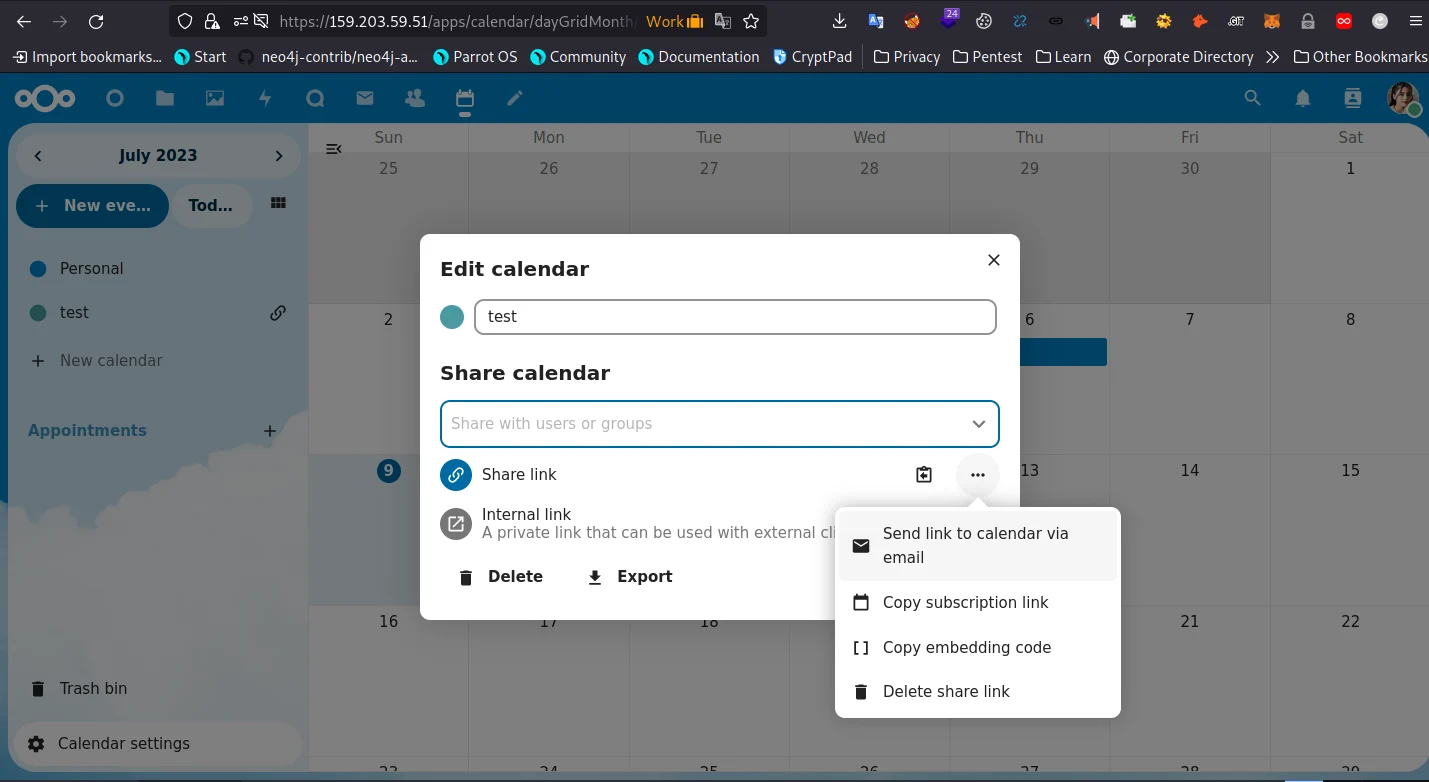
- As, a low privileged user, go to https://serveraddress/apps/calendar/dayGridMonth/now and create a new calendar.
-
Click on Share link, click on share calendar link via email and intercept the request in burp entering a random email.
-
Send the request to repeater and observe the response time. The server will respond in ~600ms.
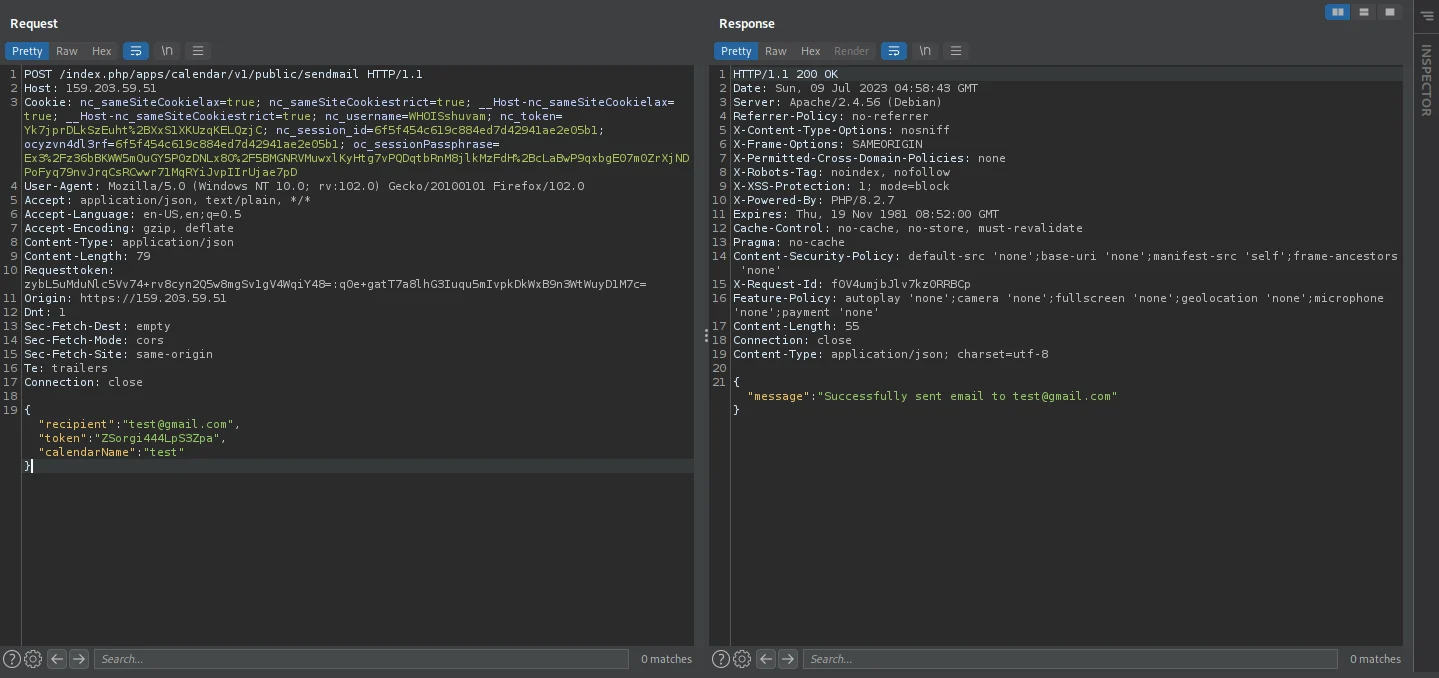
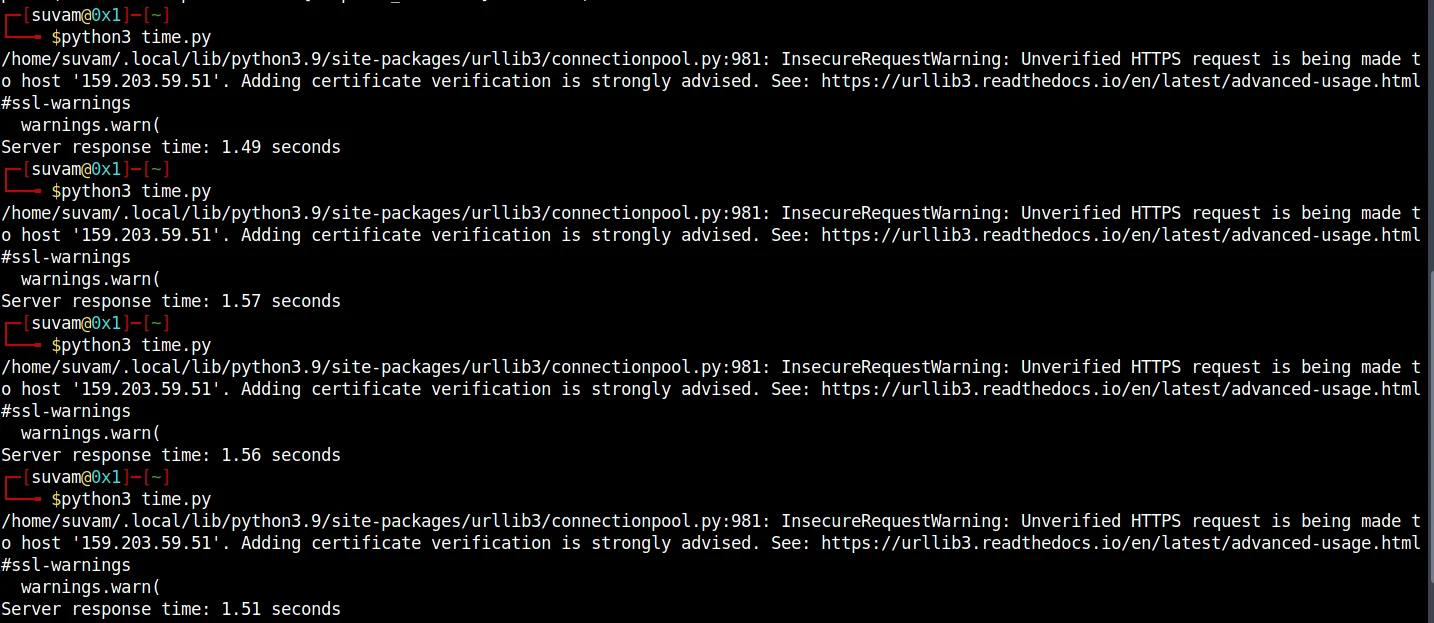
- Now, use the attached payload of 50 MB (email_recipient.txt) in email and send the response. You will get response in about 10000 milllisecond. Larger the email length, longer will be the reponse time.
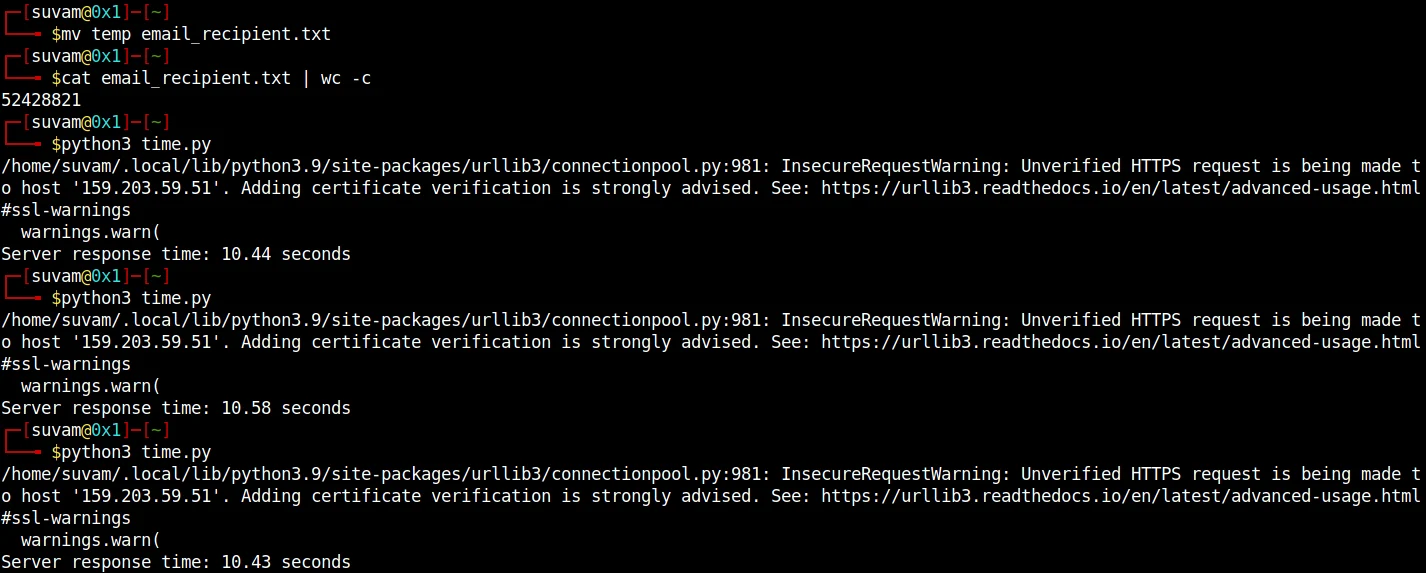
[Note: you may use the following python script and payload attached below. POC attached :) ]
Impact
Denial of service
Attachments
Not written yet. The AI write-up for this report has not been written yet. The Original tab links to the source.
How it worked
Root cause
Likely the email address field had no length limit, so the server performed expensive processing on arbitrarily large input.
Impact
An attacker could cause a denial of service by making the server unresponsive through repeated requests with excessively long email addresses.
What the attacker needed
A low privileged user account
How it was found
- As a low privileged user, create a new calendar.
- Click on Share link, then share calendar link via email and intercept the request.
- Send the request to repeater and observe the response time (~600ms).
- Replace the email with a 50 MB payload and send; observe response time (~10000ms).
Explained by bugbounty.wiki with AI from the original and checked against quotes from it; it can still be wrong. Read the original before relying on a detail.
Not written yet. The AI write-up for this report has not been written yet. The Original tab links to the source.
A calendar app lets you share events by email. The app did not check how long the email address could be, so someone could send a very long fake address. The server then spent a lot of time processing it, making the service slow or unavailable for others.
What is DoS?
A request that exhausts resources or crashes a component. Many programs forbid testing it; reports usually show it from code, not by attacking.






