Changing Victim's JIRA Integration Settings Through Multiple Bugs
The JIRA integration consent screen did not show which JIRA project would be linked, and a malicious link containing a JIRA JWT token could automatically change the connected JIRA account and select the attacker's project. An attacker could then have new HackerOne reports cloned to their own JIRA project.
 Originally disclosed on HackerOne
- Triaged in 13 hours
- Fixed in 6 days
- Paid in 18 days
- Disclosed after 18 days
Summary:
Changing victim's JIRA integration settings through multiple bugs.
Description:
Using multiple HackerOne bugs, an attacker can change the victim's JIRA integration settings.
Bugs:
###1) The Jira integration consent screen lacks information about the Jira project that will be connected to HackerOne
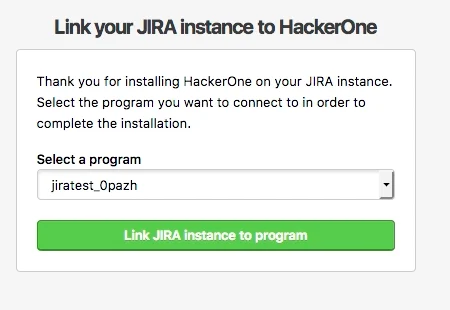
Malicious or good Jira trying to connect above?
Impossible to know without clicking on Link JIRA Instance to program, this is bad.
###2) JIRA project automatic selection
When a user already have a JIRA connected to his HackerOne program, if an attacker sends
a malicious link to him (with a malicious JIRA JWT token in it), clicking on Link JIRA Instance to program will change the JIRA account connected to the program and worst, it will automatically select the attacker's JIRA project without user interaction. Any new HackerOne report will be cloned to the attacker's JIRA project.
###3) Bypassing HackerOne link protection
###4) HackerOne SAML Open Redirector ( #171398 )
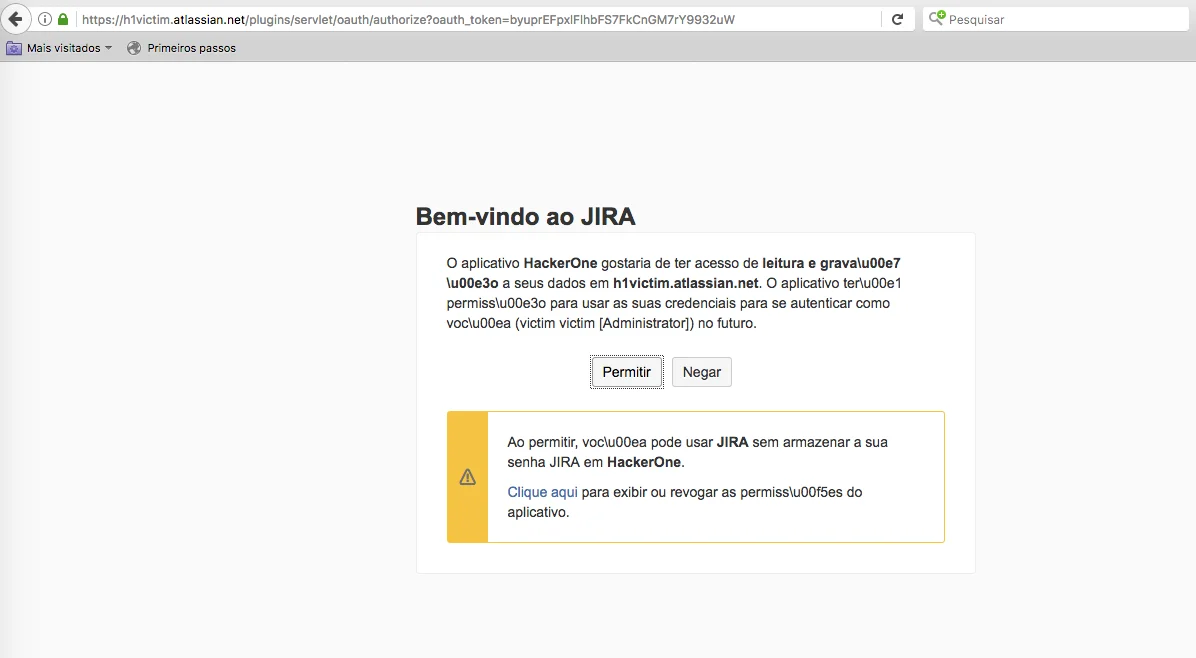
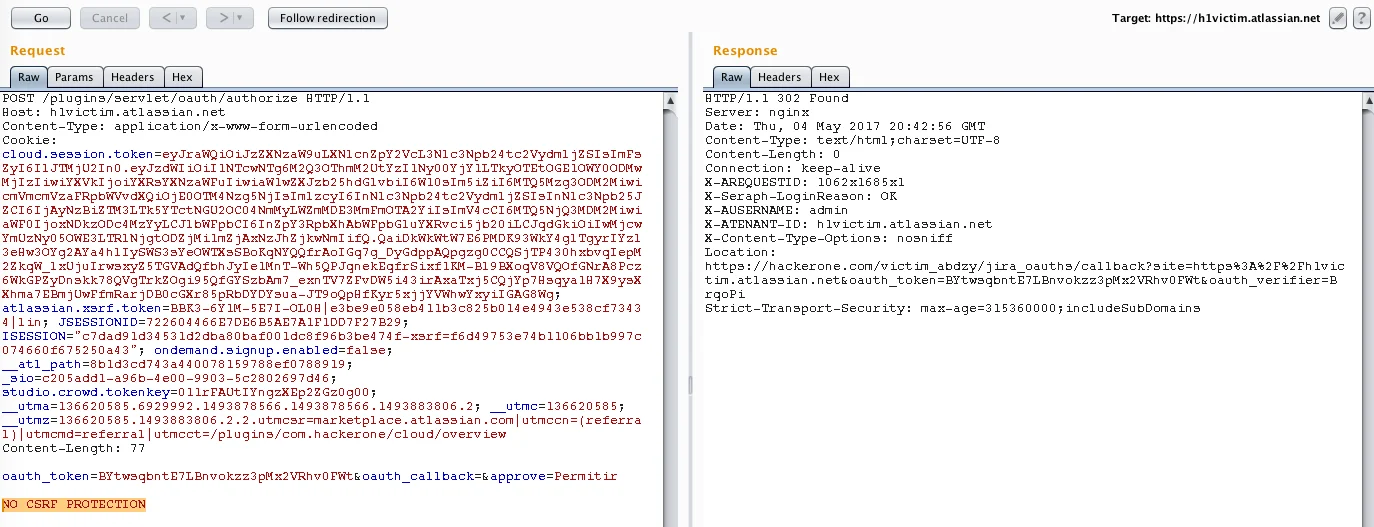
###5) Jira OAuth CSRF
Conclusion:
An attacker can use all bugs above in many ways to try to link his own JIRA project to the victim's HackerOne program.
Optional: Supporting Material/References (Screenshots)
- Video #1 (bugs #1 and #2 demonstration): ████████
- Video #2 (bug #5 demonstration): █████
Not written yet. The AI write-up for this report has not been written yet. The Original tab links to the source.
How it worked
Root cause
Likely the integration flow trusted a JWT token supplied in a link and did not require the user to confirm the specific JIRA project before changing the connection.
Impact
New HackerOne reports could be cloned to the attacker's JIRA project.
What the attacker needed
Victim has a JIRA integration; victim clicks a malicious link; victim clicks 'Link JIRA Instance to program'
How it was found
- The attacker prepares a malicious link containing a JIRA JWT token.
- The attacker sends the link to a victim who already has a JIRA integration.
- The victim clicks the link and then clicks 'Link JIRA Instance to program'.
- The JIRA account connected to the program is changed and the attacker's JIRA project is automatically selected.
Explained by bugbounty.wiki with AI from the original and checked against quotes from it; it can still be wrong. Read the original before relying on a detail.
Not written yet. The AI write-up for this report has not been written yet. The Original tab links to the source.
When you connect HackerOne to a JIRA project, a consent screen should tell you exactly which project you are linking. Here it did not, and a crafted link could silently swap the linked project to one controlled by an attacker. That means new bug reports could be copied into the attacker's JIRA without the victim noticing.
What is CSRF?
Another site makes a signed-in user's browser perform an action they did not intend.