Server side includes in https://lgtm-com.pentesting.semmle.net/internal_api/v0.2/savePublicInformation leads to 500 server error and D-DOS
The location field of a profile update endpoint did not sanitise input, allowing a server-side include directive to be injected. This caused a 500 error and made the settings page hang, potentially leading to denial of service.

- Disclosed after 10 months
Summary: Improper sanitizing of input in one of the input forms in https://lgtm-com.pentesting.semmle.net/internal_api/v0.2/savePublicInformation leads to server side include that causes a 500 internal server error and a possible denial of service.
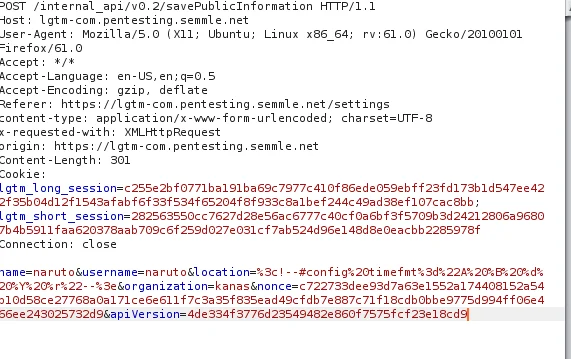
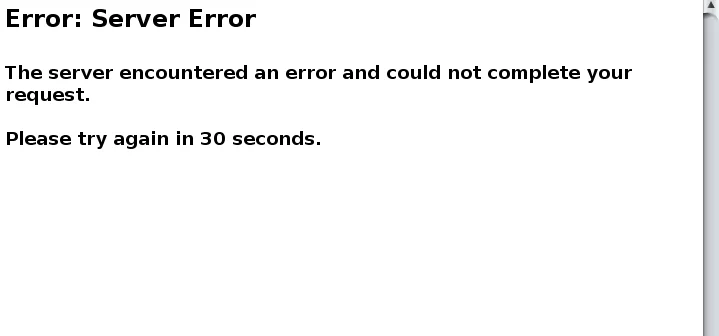
Description: After login in to semmle , in other to update you personal information a post request is being sent to the endpoint https://lgtm-com.pentesting.semmle.net/internal_api/v0.2/savePublicInformation. inputing the following payload as the value of the location field causes a 500 server error
Steps To Reproduce
- login to semmle
- goto account settings page
- fill the form and hit save
- trap the request with proxy like burp
- enter the payload <!--#config timefmt="A %B %d %Y %r"--> as the value for location so the body of the form looks like this:
Supporting Material/References:
Impact
A user could send a more harmful command to the server and cause the server to be unavailable for other users, also after entering that payload i could no long access https://lgtm.com.pentesting.semmle.net/settings . it kept on loading forever .
Not written yet. The AI write-up for this report has not been written yet. The Original tab links to the source.
How it worked
Root cause
Likely the application failed to sanitise or escape user input before passing it to a server-side include processor.
Impact
An attacker could send a more harmful command to make the server unavailable for other users, and the settings page became inaccessible after the payload was submitted.
What the attacker needed
A valid account; ability to intercept HTTP requests
How it was found
- Log in to the application.
- Go to the account settings page.
- Fill in the form and submit it.
- Capture the request with a proxy.
- Replace the location field value with a server-side include directive.
Explained by bugbounty.wiki with AI from the original and checked against quotes from it; it can still be wrong. Read the original before relying on a detail.
Not written yet. The AI write-up for this report has not been written yet. The Original tab links to the source.
Server-side includes are special instructions that a web server processes before sending a page. If a user can put such an instruction into a form field, the server may execute it, which can break the page or even take the server offline.
What is RCE?
Running the attacker's code on the target's servers: through command or code injection, unsafe deserialisation or template injection.


