No Limitation on Following allows user to follow people automatically!
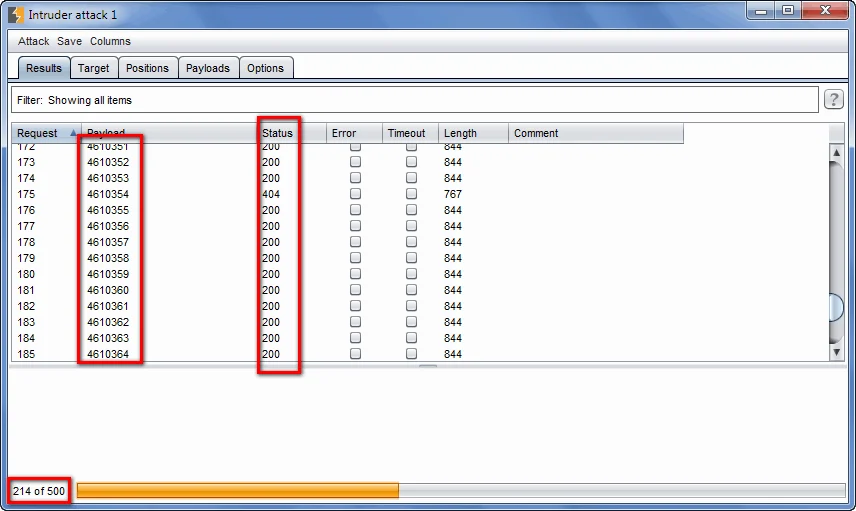
The CSRF token for the follow action remained static for a session, so an attacker could reuse it to automatically follow many users. The reporter demonstrated this by sending 500 follow requests with incrementing user IDs, all of which succeeded.
 Originally disclosed on HackerOne
- Fixed in 13 days
- Disclosed after 16 months
Hello, i'm not sure it's intentional or somehow you missed it, I noticed that when User follow people on Vimeo, CSRF token of the request doesn't change at all. It's become something like a static code for a single session. ex: POST: https://vimeo.com/user12345 <= [ID] POST CONTENT: action=toggle_follow&token=[TOKEN]
An attacker can misuse this function with intruder/repeater and Follow as much people he want to follow. like all he have do is put the URL on repeater/intruder with auto increment value (a number increased by 1 for every request). that's it.
for testing purpose, i ran a intruder attack with 500 user id and it successfully followed all available users from the list. (screenshot attached) you can check here too: https://vimeo.com/faisalahmed/following
FIX: it can be fixed by implementing unique CSRF token for every request (regenerating CSRF token) or you can limit following feature.
Looking forward!
Attachments
Not written yet. The AI write-up for this report has not been written yet. The Original tab links to the source.
How it worked
Impact
An attacker could automatically follow many other accounts using the static token, though the text does not claim any further impact.
What the attacker needed
Attacker has a valid session; the session's CSRF token is reused
The fix
The application should generate a unique CSRF token for every request or limit the follow feature.
How it was found
- Capture a follow request containing the CSRF token.
- Send the request repeatedly with different user IDs using an automated tool.
- Observe that all follow requests succeed.
Explained by bugbounty.wiki with AI from the original and checked against quotes from it; it can still be wrong. Read the original before relying on a detail.
Not written yet. The AI write-up for this report has not been written yet. The Original tab links to the source.
A CSRF token is a secret code a website puts in forms to check a request came from its own pages. Here the code never changed during a session, so an attacker could copy it and send many follow requests automatically.
What is CSRF?
Another site makes a signed-in user's browser perform an action they did not intend.

