How I Earned My First Bug Bounty Reward of $600
The subscription purchase request included a productType parameter that could be changed to hidden product IDs, allowing a user to buy a cheaper plan with the same features as the main subscription. An attacker could subscribe at a much lower price, causing financial loss to the company.
 Published on medium.com
This is my first time writing a write-up. Today i will write about how i got my first valid report and reward in Public program in bugcrowd
The full write-up lives on its author's site
It belongs to its author, so we link to it rather than copy it. The other two tabs are our own rewrites, checked against it.
Context
This is a write-up of a first valid report and reward on a public Bugcrowd program. The researcher, Abdulrahman Badawi (@zikolaasec), a penetration tester and CTF player from Egypt, keeps the target anonymous and calls it redacted.com because the report was not disclosed at the time of writing.
The target is a site that sells subscriptions and offers extra features to subscribers. The feature under test is the subscription purchase flow: a logged-in user upgrades their account from the settings, and the purchase request carries a productType parameter that identifies which package is being bought. The only subscription visible to users was $35.99 for one year, with productType: 14.
The weakness is broken access control on that parameter: the client controls which product is purchased, and changing it returned products not shown in the interface.
Setup
- A normal account on the target site, used to reach the upgrade flow from the settings.
- Burp Suite (or any other intercepting proxy) to capture and modify the purchase request, and Burp Intruder to enumerate product identifiers.
- A PayPal payment method, which the researcher used to confirm that the hidden prices were real without paying by card.
No versions, endpoints, hostnames or account details are given in the report.
Finding it
The starting point was the advice to click on everything and then review the HTTP history in Burp. After clicking through the site and reading the history, the researcher asked why the subscriber features could not be obtained for free, and began looking at anything related to those features.
While testing the subscription purchase process, the request contained a parameter called productType. The first thought was to change the number to see whether other hidden products existed that could be subscribed to.

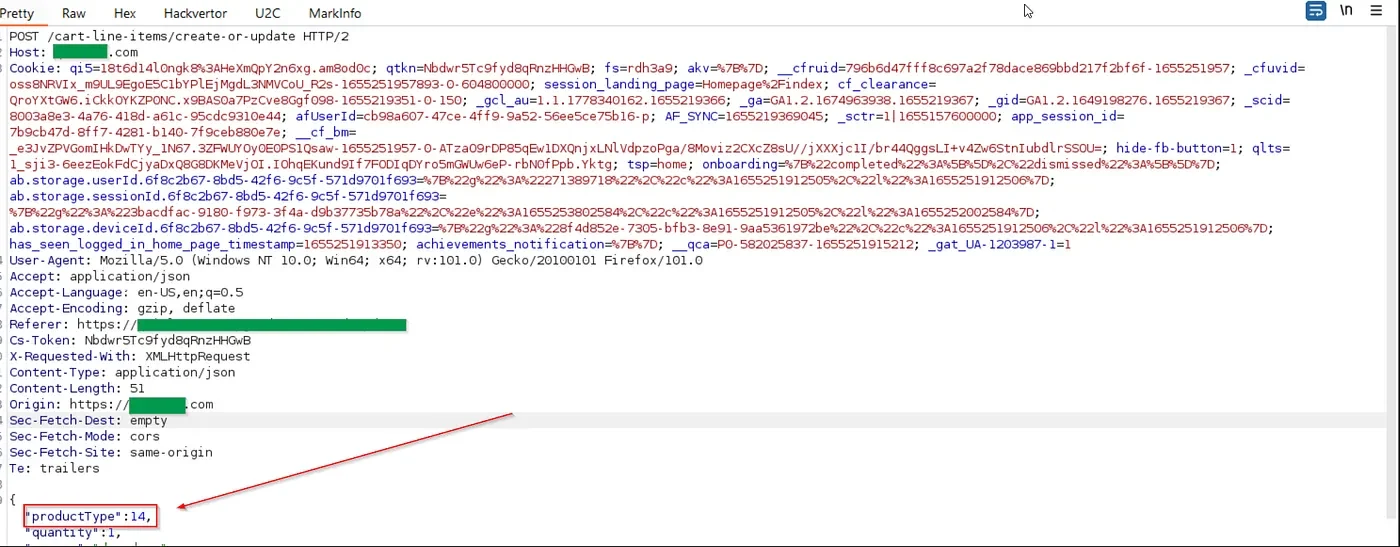
productType POST parameter
The request was sent to Burp Intruder to guess the numbers from 1 to 100 as a start. The Intruder run revealed several products that were not visible to the user: productType values 20/22/21/23/24/12/8.
Exploitation
Step 1: Enumerate product identifiers
With the purchase request captured, the productType value was fuzzed from 1 to 100 in Burp Intruder. The values 20, 22, 21, 23, 24, 12 and 8 returned products that the interface never showed.
Step 2: Compare prices
The default package, productType: 14, cost $35.99 for one year. The discovered identifiers gave the same features as the main product at much lower prices:
| Price (1 year) | productType |
|---|---|
| $23.88 | 24 |
| $11.99 | 22 |
| $5.99 | 21 |
Step 3: Confirm the price is real with PayPal
A lower price in the response does not prove the order can actually be completed, and the researcher did not want to pay with a Visa card without knowing whether the price was genuine. The site offered PayPal as a payment method, so the order was pushed to PayPal to see whether the amount would be transferred to PayPal or the customer would be rejected. If PayPal receives the amount, the purchase is possible.
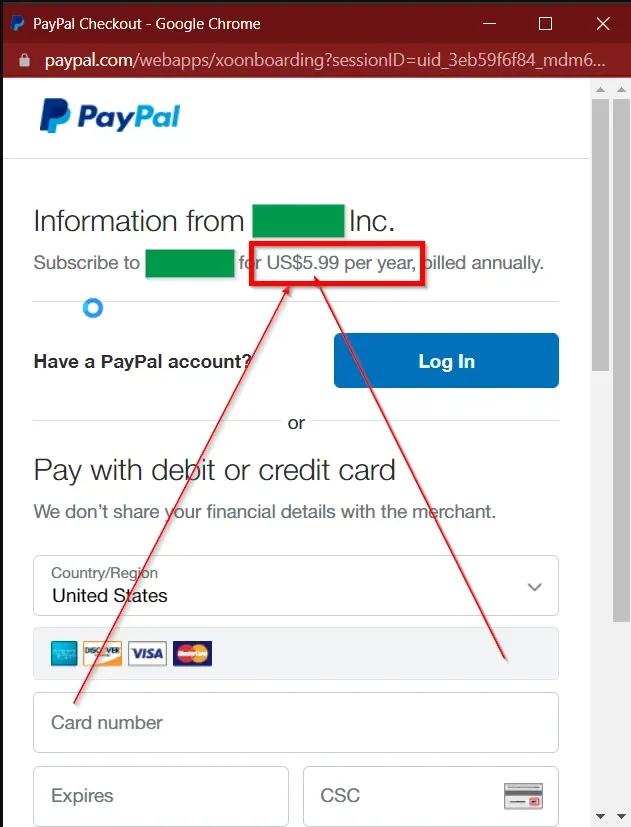
paypal POC 5.99$
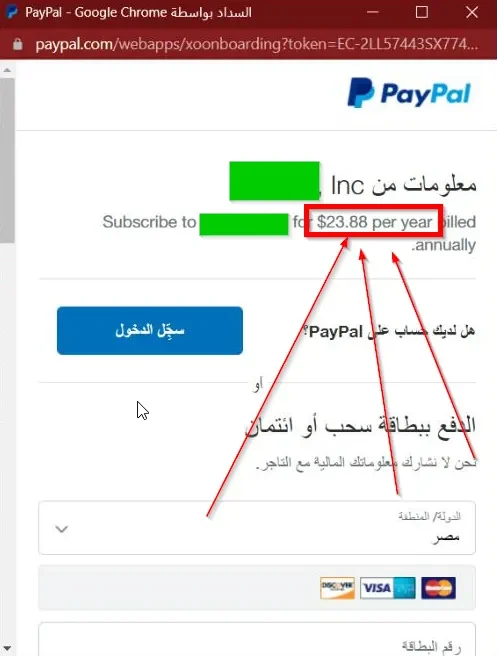
second paypal POC 23.88$
The PayPal flow showed the reduced amounts, indicating the hidden products could be bought.
Step 4: Reproduce from scratch
The report gives the reproduction steps:
- Log in with any account and click upgrade account from the settings.
- With Burp or any other proxy, intercept the request.
- Change the product type from 14, the default package, to
20/22/21/23/24/12/8; it will change the user subscription type and price.

$$$

$$$
Root cause
The purchase request accepts a client-supplied productType and the server trusts it to decide which product and price apply. Product identifiers that are not exposed in the interface are still valid server-side, so a user can select a cheaper package with the same features as the main one. The report does not describe any server-side validation that was bypassed; the parameter was simply editable and honoured.
Impact
A user can subscribe to the site at the lowest possible cost and reach products hidden from the interface, obtaining the same features as the main product for less money. According to the report, this leads to a huge financial loss for the company. The impact applies to any account able to reach the upgrade flow, and the PayPal flow showed the reduced amounts.
Fix
The report does not say what was changed. The fix should be server-side: derive the product and price from a server-controlled catalogue keyed by an identifier the user is authorised to purchase, reject identifiers that are not offered to that user, and verify the amount at payment time against the server-side price rather than the client-supplied product type.
Variants to test
- Numeric product identifiers in purchase requests. Change
productType, product ID or similar numeric fields to nearby values and watch for different prices or features. A positive result is a valid order at a price or for a product not shown in the interface. - Intruder over a numeric range. Fuzz the identifier from 1 to 100 as done here. A positive result is a set of identifiers that return products the UI never lists.
- Payment confirmation with a real provider. Push a modified order to PayPal or another provider and check the amount. A positive result is the provider showing the reduced amount rather than rejecting the order.
- Subscription state after purchase. Complete a reduced-price order and check the account's subscription type and features. A positive result is the full feature set at the lower price.
What happened, in plain words
A security researcher found a way to buy a website's most expensive subscription plan for as little as $5.99 instead of $35.99, and to unlock hidden plans that were never shown to users. He did this by changing a single number in the request that his browser sent when he clicked the upgrade button. The website trusted that number without checking it, so it offered a cheaper package with the same features. He confirmed the trick worked by pushing the order to PayPal and seeing the lower amount appear. He was paid a $600 bounty. This article explains every step from zero, so you can follow along even if you have never done security testing before.
Background: what is a subscription site and why does this matter?
Many websites sell access to extra features through a subscription: you pay a recurring fee (monthly or yearly) and in return you get things like ad-free viewing, extra storage, or premium content. The site needs to know which plan you are buying so it can charge the right amount and unlock the right features.
When you click an "upgrade" button, your browser sends a request to the website's server. That request contains details about what you want to buy. In a well-built site, the server decides the price based on a product catalogue it controls, and it checks that you are allowed to buy that product. In this case, changing the product number in the request changed the product and price.
This kind of mistake is called broken access control: the site fails to check that you are allowed to do what you are asking. Here it also involves payment tampering: changing the payment details (like the price or product) to pay less than you should.
The researcher and the target
The researcher is Abdulrahman Badawi, also known as @zikolaasec, a penetration tester and capture-the-flag (CTF) player from Egypt. He found this bug on a public bug bounty program hosted by Bugcrowd. A bug bounty program is a scheme where companies pay people to find and report security problems in their systems.
The target website is not named; the researcher calls it redacted.com because the report was not publicly disclosed at the time of writing. We only know it was a site that sells subscriptions and offers extra features to subscribers.
Setting up
To follow this kind of testing you need:
- A normal user account on the target site, so you can log in and reach the upgrade page from the settings.
- A tool that can capture and change the requests your browser sends. The researcher used Burp Suite, which is a popular intercepting proxy. Think of it as a middleman that sits between your browser and the website: it lets you see every request and response, and pause a request to edit it before it reaches the server. Burp also has a component called Intruder that can automatically send many requests with different values in a chosen spot, which is useful for guessing numbers.
- A PayPal account (or at least the ability to go through the PayPal payment flow). The researcher used PayPal to check that the lower prices were real without having to enter credit card details.
The report does not give the exact web addresses (endpoints), the names of any hidden parameters other than productType, or any version numbers.
How the bug was found
The researcher started with a simple habit: click on everything on the site and then look at the HTTP history in Burp. HTTP history is the list of all requests and responses that passed through the proxy. By reading it, you can see what the site is doing behind the scenes: which URLs are called, what data is sent, and what comes back.
After clicking around, he asked himself: "Why don't I get these subscriber features for free?" That question led him to examine anything related to those features, especially the subscription purchase process.
While testing the purchase, he noticed that the request contained a parameter called productType. A parameter is a named piece of data in a request, like a field in a form. The name productType suggested it told the server which product was being bought. His first idea was to change the number to see if other, hidden products existed that he could subscribe to.
productType POST parameter
In the image above you can see the captured request with the productType parameter highlighted. The request is sent using the POST method, which is the HTTP method used when a browser submits data to a server (for example, when you submit a form). The value shown is the default product number.
Step 1: Guessing product numbers with Burp Intruder
He sent the captured request to Burp Intruder and configured it to try numbers from 1 to 100 in the productType position. Intruder works by taking a request template and replacing a marked spot with each value from a list, then sending all the requests automatically. This is called fuzzing: trying many inputs to see how the system reacts.
After the Intruder run finished, he looked at the responses. Several numbers returned products that were not visible anywhere on the site. The hidden productType values were: 20, 22, 21, 23, 24, 12, and 8.
Why did this work? Changing the number returned products that were not visible on the site. The website's interface only showed one plan, but the server knew about many more. The interface only showed one plan, but other product numbers returned different products.
Step 2: Comparing prices
The only subscription shown to users cost $35.99 for one year, and it used productType: 14. After changing the number to the hidden values, the same features were offered at much lower prices. Here is the comparison from the report:
| Price for 1 year | productType |
|---|---|
| $23.88 | 24 |
| $11.99 | 22 |
| $5.99 | 21 |
So by changing one number, a user could pay $5.99 instead of $35.99 for what appeared to be the same subscription. That is a difference of $30 per year, per user.
Step 3: Proving the price is real with PayPal
Seeing a lower price in the response is not enough. The response might be a mistake, or the server might reject the order later. The researcher did not want to use his Visa card without knowing whether the price was genuine. Fortunately, the site offered PayPal as a payment method. He chose PayPal and proceeded to see whether the amount would be transferred to PayPal or whether the customer would be rejected. If PayPal receives the amount, the purchase is possible.
paypal POC 5.99$
second paypal POC 23.88$
The screenshots show the PayPal payment page with the reduced amounts: $5.99 and $23.88. This indicates that the hidden products could be bought at those prices. The researcher calls these "POC", which stands for proof of concept: evidence that the bug is real and exploitable.
Step 4: Reproducing from scratch
The report gives three simple steps to reproduce the issue:
- Log in with any account and click upgrade account from the settings.
- With Burp or any other proxy, intercept the request.
- Change the product type from 14 (the default package) to
20/22/21/23/24/12/8; it will change the user subscription type and price.
$$$
$$$
The images above show the result: the account's subscription type and price change according to the product type sent.
Why did this happen? (Root cause)
The purchase request includes a productType value that is supplied by the client (the browser). The server trusts this value to decide which product and price apply. The report does not describe any server-side validation that was bypassed; the parameter was simply editable and honoured.
In plain terms: the website let the customer write the price tag. A well-designed system would look up the price on the server side, based on a product identifier that the user is authorised to purchase, and then verify the amount at payment time.
Impact
A user can subscribe to the site at the lowest possible cost and reach products hidden from the interface, obtaining the same features as the main product for less money. According to the report, this leads to a huge financial loss for the company. The impact applies to any account able to reach the upgrade flow, and the PayPal flow showed the reduced amounts.
Fix
The fix should be server-side: derive the product and price from a server-controlled catalogue keyed by an identifier the user is authorised to purchase, reject identifiers that are not offered to that user, and verify the amount at payment time against the server-side price rather than the client-supplied product type.
Variants to test
If you want to look for similar bugs, here are some variations to try:
- Numeric product identifiers in purchase requests. Change
productType, product ID or similar numeric fields to nearby values and watch for different prices or features. A positive result is a valid order at a price or for a product not shown in the interface. - Intruder over a numeric range. Fuzz the identifier from 1 to 100 as done here. A positive result is a set of identifiers that return products the UI never lists.
- Payment confirmation with a real provider. Push a modified order to PayPal or another provider and check the amount. A positive result is the provider showing the reduced amount rather than rejecting the order.
- Subscription state after purchase. Complete a reduced-price order and check the account's subscription type and features. A positive result is the full feature set at the lower price.
Glossary
- API: Application Programming Interface; a set of rules that lets one piece of software talk to another. In web terms, it is often the endpoint that receives requests and returns data.
- Broken access control: a security weakness where the system does not properly check that a user is allowed to perform an action or access a resource.
- Burp Intruder: a tool within Burp Suite that automates sending many requests with different values in a chosen position, used for fuzzing.
- Burp Suite: a popular software tool used for web security testing, acting as an intercepting proxy.
- Capture-the-flag (CTF): a cybersecurity competition where participants solve security challenges to find hidden "flags".
- Cookie: a small piece of data stored by the browser and sent with requests to a website, often used to keep you logged in.
- Endpoint: a specific URL or address on a server that handles a particular type of request.
- Fuzzing: the technique of sending many different inputs to a system to see how it responds, often to find bugs.
- HTTP history: a log in an intercepting proxy of all requests and responses that have passed through it.
- Intercepting proxy: a tool that sits between your browser and the internet, allowing you to view and modify traffic.
- Parameter: a named value in a request, like a form field.
- Payment tampering: manipulating payment-related data (such as price or product) to pay less or gain something without proper payment.
- Penetration tester: a security professional who is paid to test systems for vulnerabilities by simulating attacks.
- POST: an HTTP method used to send data to a server, typically when submitting a form or making a purchase.
- Proof of concept (POC): evidence that a vulnerability exists and can be exploited, often a screenshot or a set of steps.
- Subscription: a recurring payment model where a user pays regularly to access a service or features.
- Token: a piece of data (often a string) used to authenticate a user or authorise a request, similar to a temporary password.




