Tap Jacking Attack on Button Tags
The write-up describes a tap jacking (UI redressing) weakness where a malicious app draws an overlay window over another app's buttons, so the user's taps land on the attacker's view instead of the intended control. The author claims this could trick a user into making purchases, tapping ads, installing apps or wiping device data, and recommends setting a touch-filtering attribute on button tags.
 Originally disclosed on HackerOne
- Triaged in 21 hours
- Fixed in 3 days
- Disclosed after 10 days
UI Redressing (Tap jacking) attack may trick users into tapping a specifically crafted malicious App popup window (e.g. toast view), making it a gateway for varied threats such as framing attack. Using this technique, a malicious App could potentially trick a user into making purchases, clicking on ads, installing Apps, or even wiping all of the data from the phone.
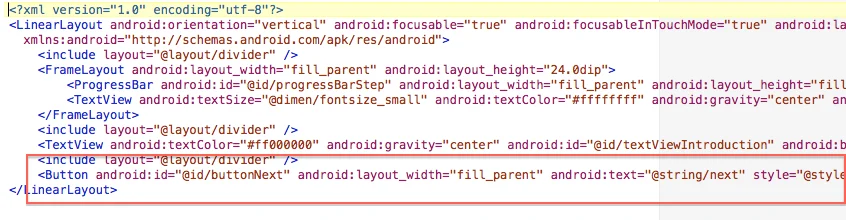
Button Tags in the layout folder they need to be protect with an attribute "filterTouchesWhenObscured='true".
Attachments
Not written yet. The AI write-up for this report has not been written yet. The Original tab links to the source.
How it worked
Root cause
Likely the app's buttons do not set the Android attribute that makes a view ignore touches while another window is obscuring it, so overlaid windows can capture the user's taps.
Impact
A malicious app could trick a user into unintended actions such as purchases, ad clicks, app installs or data wiping, though the text gives no demonstration of any of these.
What the attacker needed
Malicious app installed on the device; attacker overlay drawn over victim app
The fix
Buttons in the layout should be given the touch-filtering attribute so taps are ignored while the view is obscured.
Explained by bugbounty.wiki with AI from the original and checked against quotes from it; it can still be wrong. Read the original before relying on a detail.
Not written yet. The AI write-up for this report has not been written yet. The Original tab links to the source.
Tap jacking is when one app puts an invisible or misleading layer on top of another app's screen. The person taps what looks like a normal button, but the tap actually goes to the attacker's layer underneath or above. This report says Android buttons should be told to ignore taps that happen while something is covering them.
What is UI spoofing?
The interface lies to the user: a framed page catches their clicks, or a browser shows the wrong address or a fake prompt. Paid when it leads to a sensitive action or convincing phishing.



