clickjacking on https://gratipay.com/on/npm/[text]
The reporter claims that a page at a Gratipay URL can be framed by another site, which is clickjacking. The text does not show what action a victim could be tricked into taking, and the only evidence is screenshots.

- Disclosed after under an hour
hi team ..
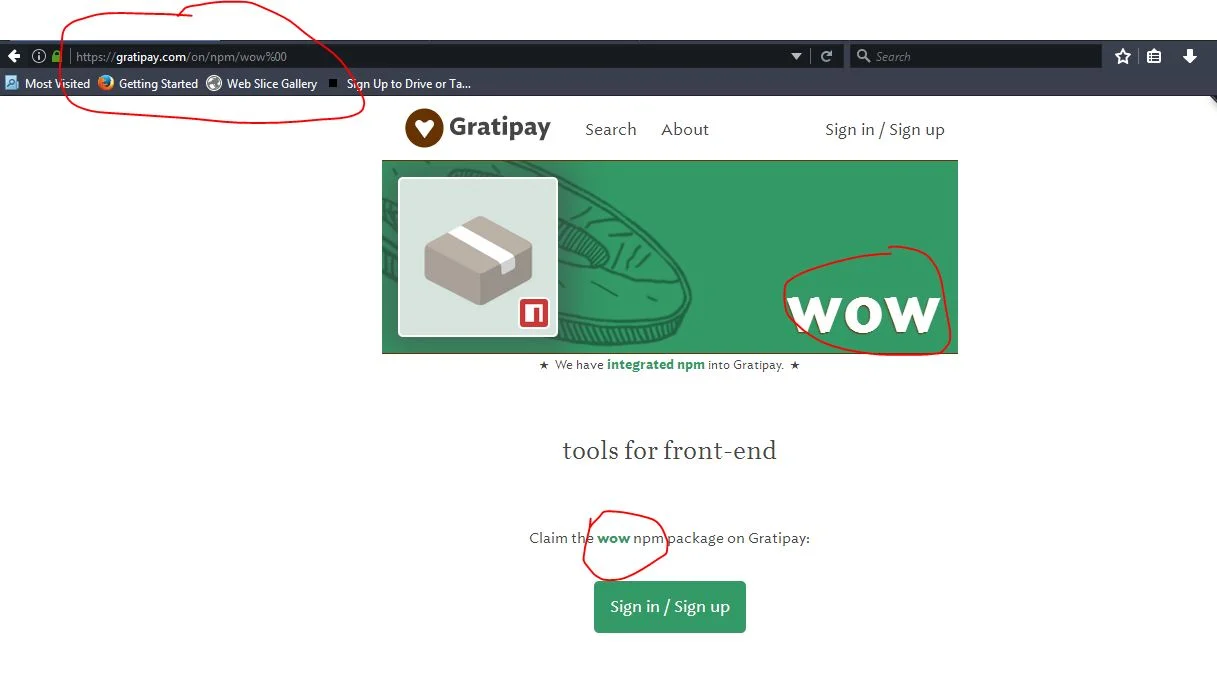
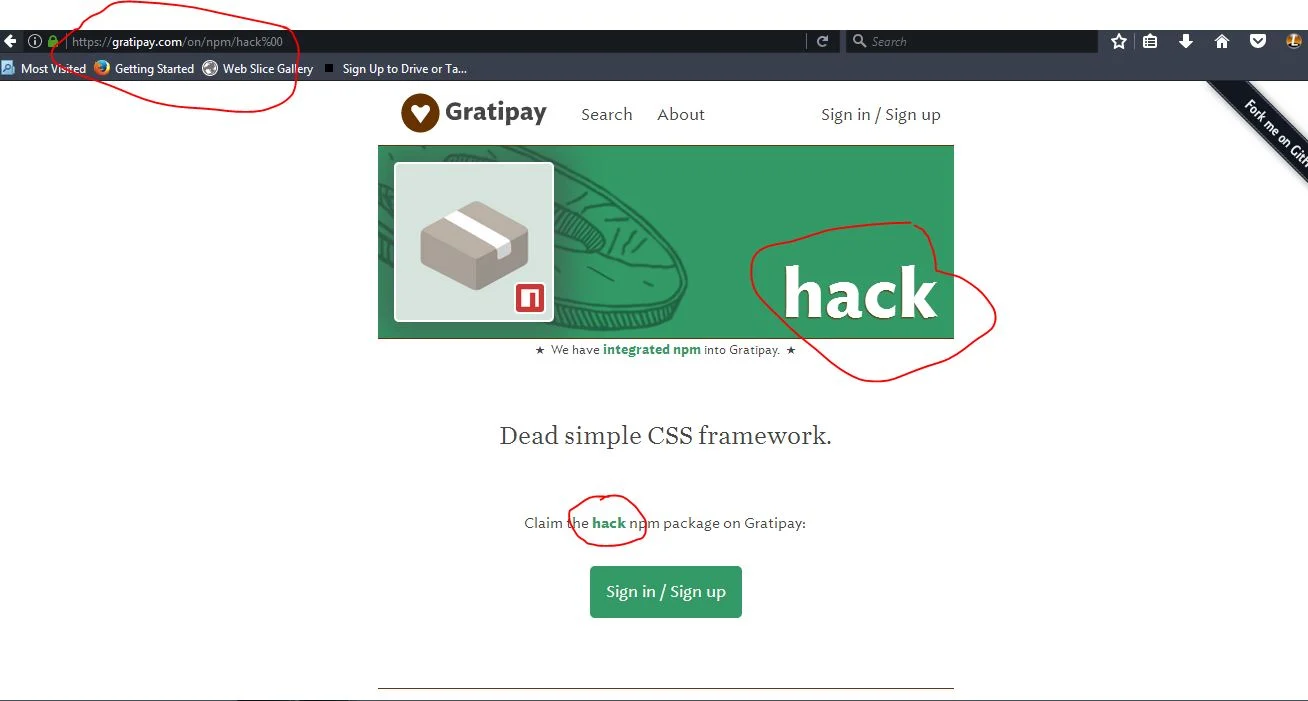
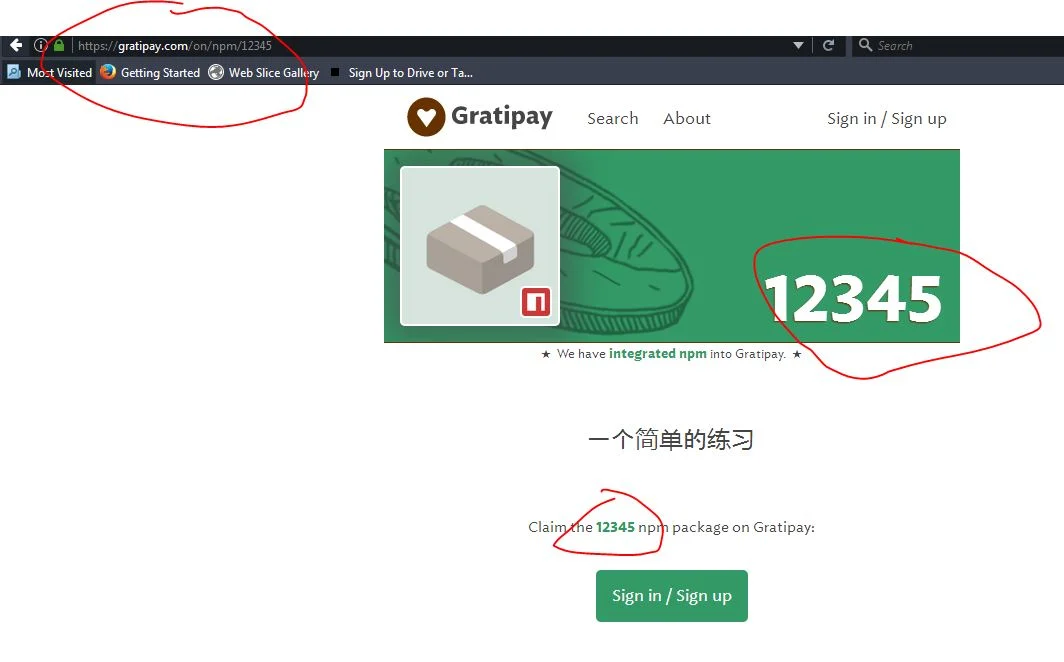
i found clickjacking URL on https://gratipay.com/on/npm/[here] this clickjacking must be 3 characturs and must be 5 number this entered endpoint of URL .. please fixed soon
https://gratipay.com/on/npm/[text]
** step respond 1- go to https://gratipay.com/on/npm/[text] 2 - check name or number endpoint URL e.g https://gratipay.com/on/npm/wow 3- look this text on the picture
poc screen onder .. :)
thanks nihad
Attachments
Not written yet. The AI write-up for this report has not been written yet. The Original tab links to the source.
How it worked
Root cause
Likely the page is served without headers that stop other sites from framing it, such as X-Frame-Options or a frame-ancestors policy.
Impact
A victim could be tricked into clicking on the framed page, but the report does not show which action that would perform.
What the attacker needed
Victim visits an attacker page; attacker can frame the target page
The fix
The page should be fixed to prevent framing, though the report does not specify how.
How it was found
- Open the Gratipay npm URL.
- Try a short name or number at the end of the URL.
- Look at the text shown in the picture.
Explained by bugbounty.wiki with AI from the original and checked against quotes from it; it can still be wrong. Read the original before relying on a detail.
Not written yet. The AI write-up for this report has not been written yet. The Original tab links to the source.
Clickjacking is when a malicious site loads a real page inside an invisible frame and tricks you into clicking something you did not mean to click. The reporter says this page can be framed, but does not explain what harmful action the click would trigger.
What is UI spoofing?
The interface lies to the user: a framed page catches their clicks, or a browser shows the wrong address or a fake prompt. Paid when it leads to a sensitive action or convincing phishing.



