Web Cache poisoning attack leads to User information Disclosure and more
The web server caches pages that include logged-in user information, so an unauthenticated visitor can retrieve another user's email, member ID and other details from the cached response. An attacker could use this to steal personal information from other users.
 Originally disclosed on HackerOne
- Triaged in 5 days
- Fixed in 12 days
- Paid in 7 days
- Disclosed after 2.7 years
Hello
Your Web-Server is vulnerable to web cache poisoning attacks. This means, that the attacker are able to get another user Information.
If you are logged in and visit this website (For example): https://www.lyst.com/shop/trends/mens-dress-shoes/blahblah.css
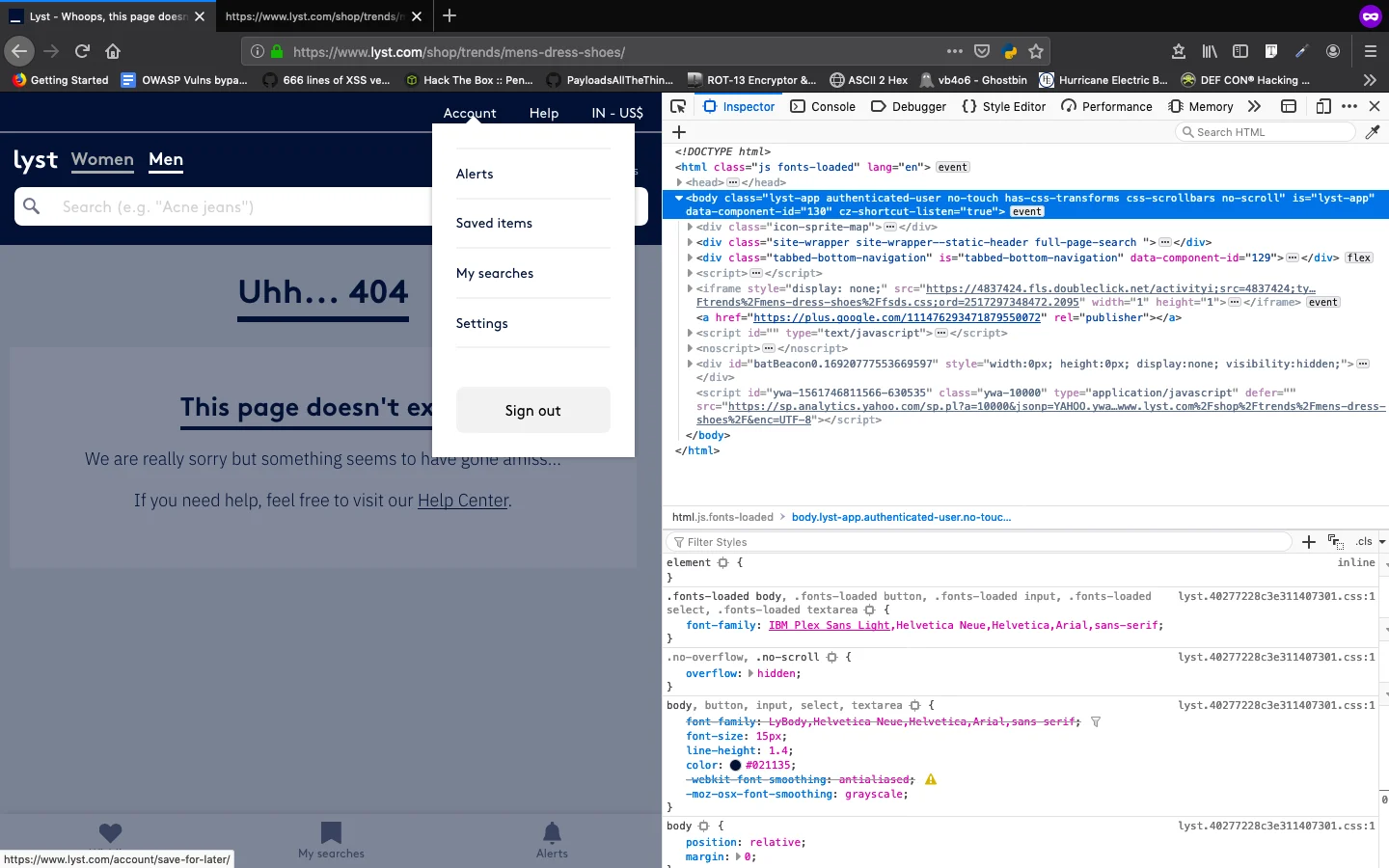
Then the server will store the information in the cache, BUT with the logged in user information. A non-logged-in user can then visit this website and see the information contained therein.
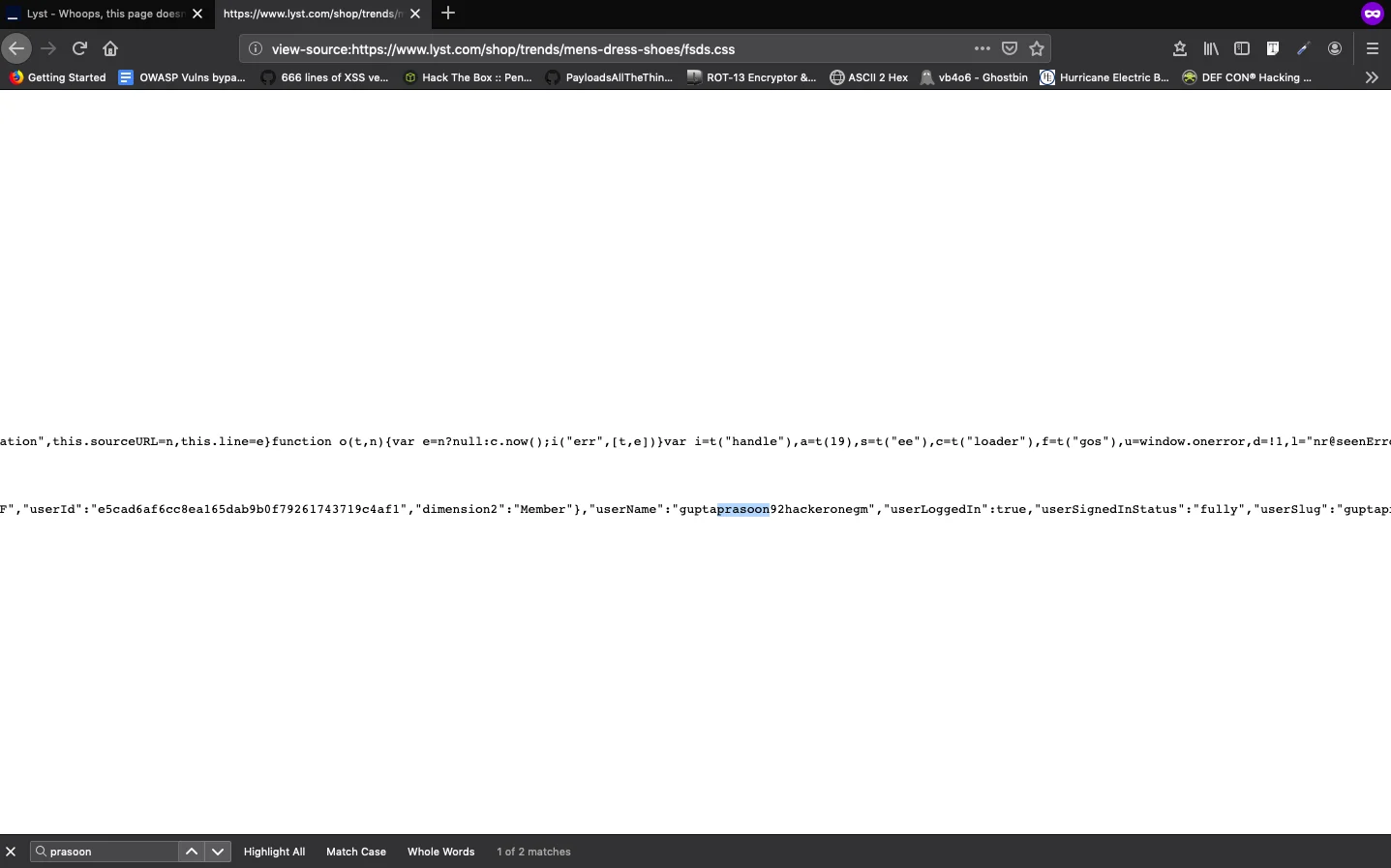
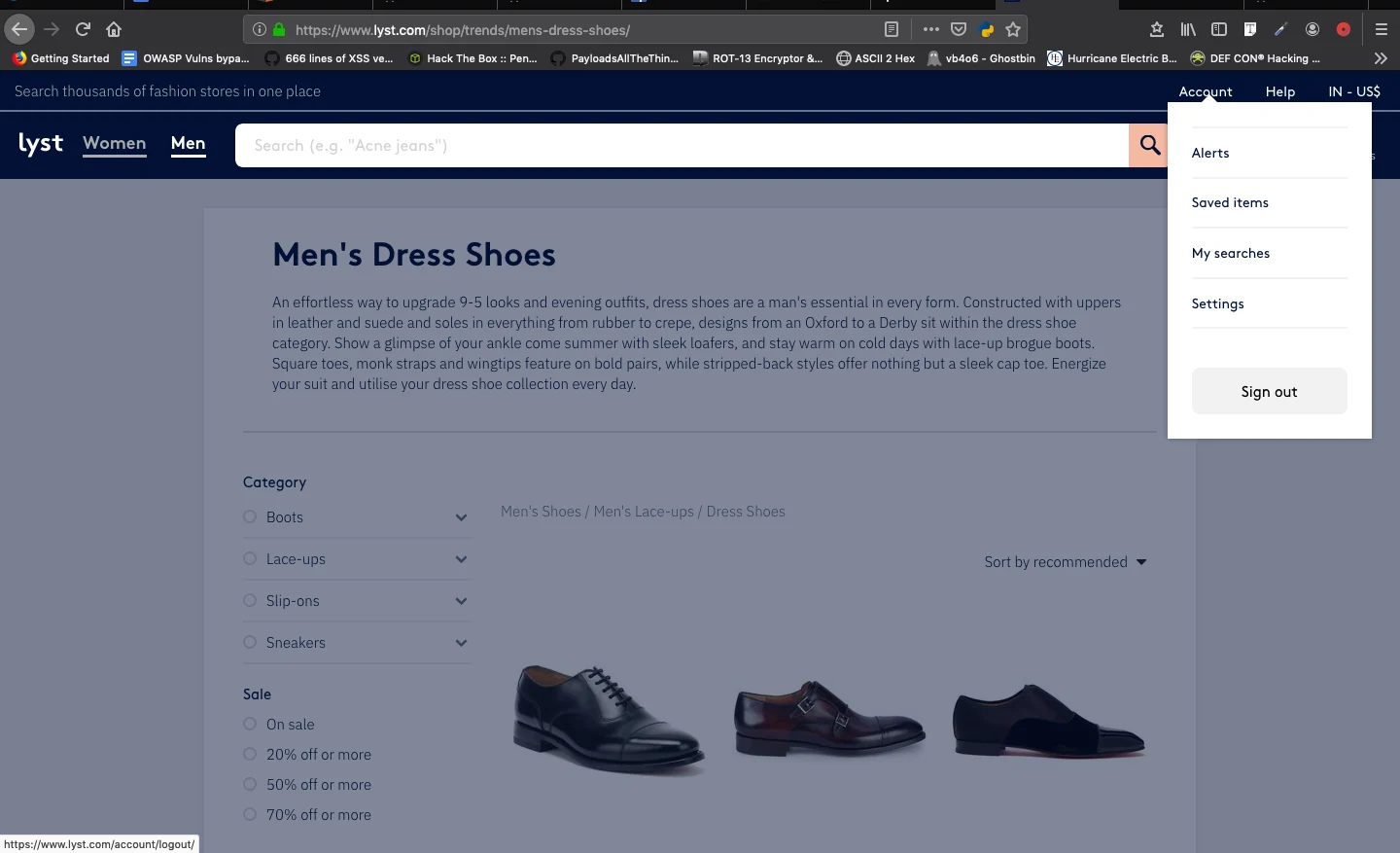
In that case, this url: https://www.lyst.com/shop/trends/mens-dress-shoes/blahblah.css can be visited in Private Mode and still you will be shown as "LOGGED IN" and then check the Source code you will get your email, member id ,etc..
Some informations about the attack: https://www.blackhat.com/docs/us-17/wednesday/us-17-Gil-Web-Cache-Deception-Attack.pdf
The screenshots with the steps are in the attachments.
Impact
Web cache poisoning attack can be used to steal user informations like email, name and member id which is important for the login security feature.
Attachments
Not written yet. The AI write-up for this report has not been written yet. The Original tab links to the source.
How it worked
Impact
An attacker could steal user information such as email, name and member ID.
What the attacker needed
Victim visits the site while logged in; attacker knows the URL pattern
How it was found
- Log in to the website.
- Visit a specific URL ending in a non-existent CSS file.
- The server caches the response containing the logged-in user's information.
- Open the same URL in a private browsing window without logging in.
- Observe that the page shows the user as logged in and reveals email, member ID, etc. in the source code.
Explained by bugbounty.wiki with AI from the original and checked against quotes from it; it can still be wrong. Read the original before relying on a detail.
Not written yet. The AI write-up for this report has not been written yet. The Original tab links to the source.
A cache is a temporary storage that keeps copies of web pages to serve them faster. Here, the server saved a page that contained a logged-in user's private details, and then showed that saved copy to anyone who visited the same address, even without logging in. This means private information could leak to strangers.
What is Cache bugs?
A cache and the origin disagree about a request, so a poisoned response is served to everyone or a private page is stored as public.





