Weak/Auto Fill Password
A login page accepted the default credentials admin/admin, granting access to a super admin panel. An attacker could use these credentials to make major configuration changes to the services.

- Triaged in 7 hours
- Fixed in 2 months
- Disclosed after 2.5 years
Summary by the researcher
Pure luck!!! - admin/admin All login page ==MUST== be tested with admin/admin & root/root.
The report
Summary:
https://mtnc-selfservice.mtncameroon.net
The following url has admin/admin as user name and password
Steps To Reproduce:
- open the url in any browser of your choice
- enter admin as user name and password
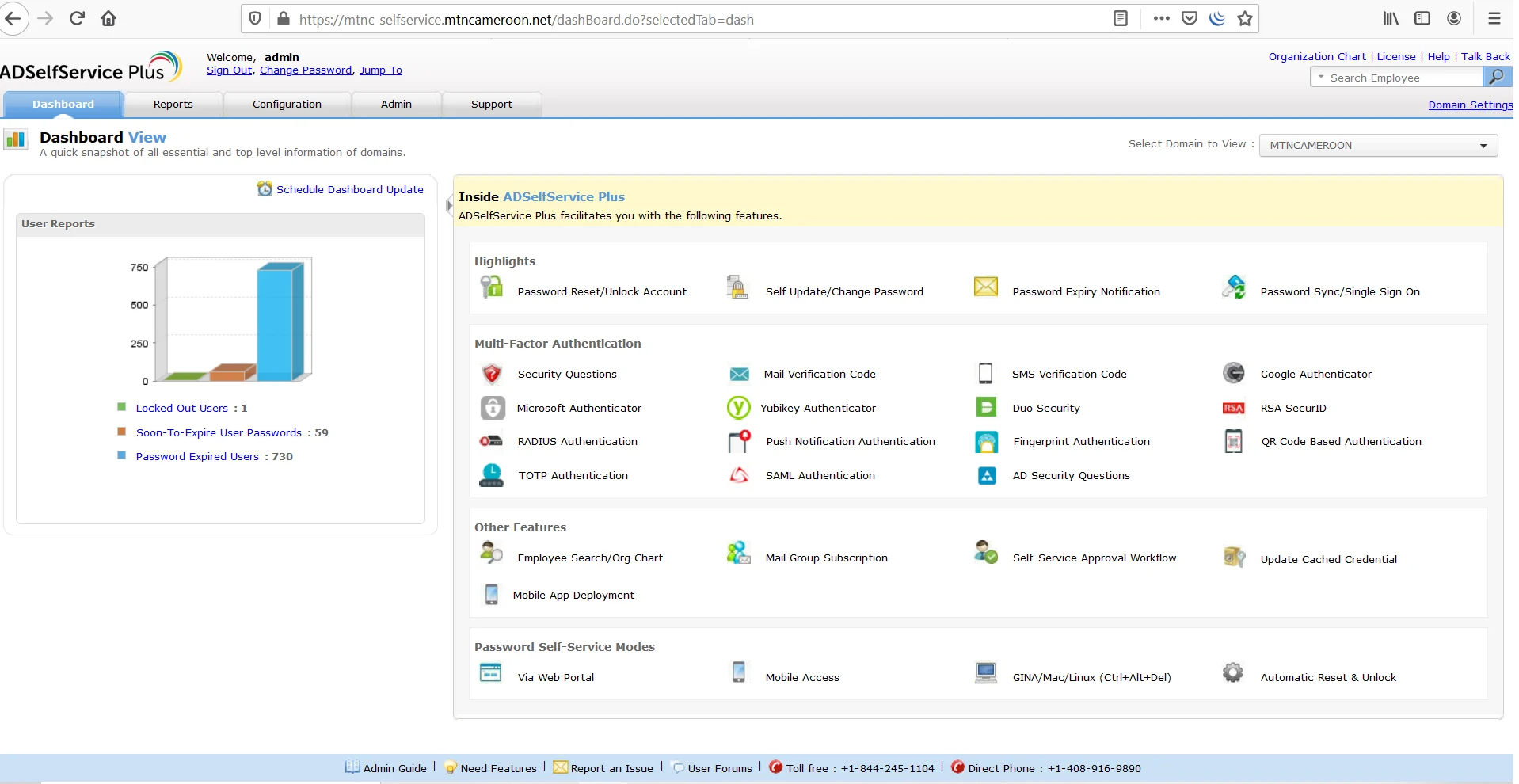
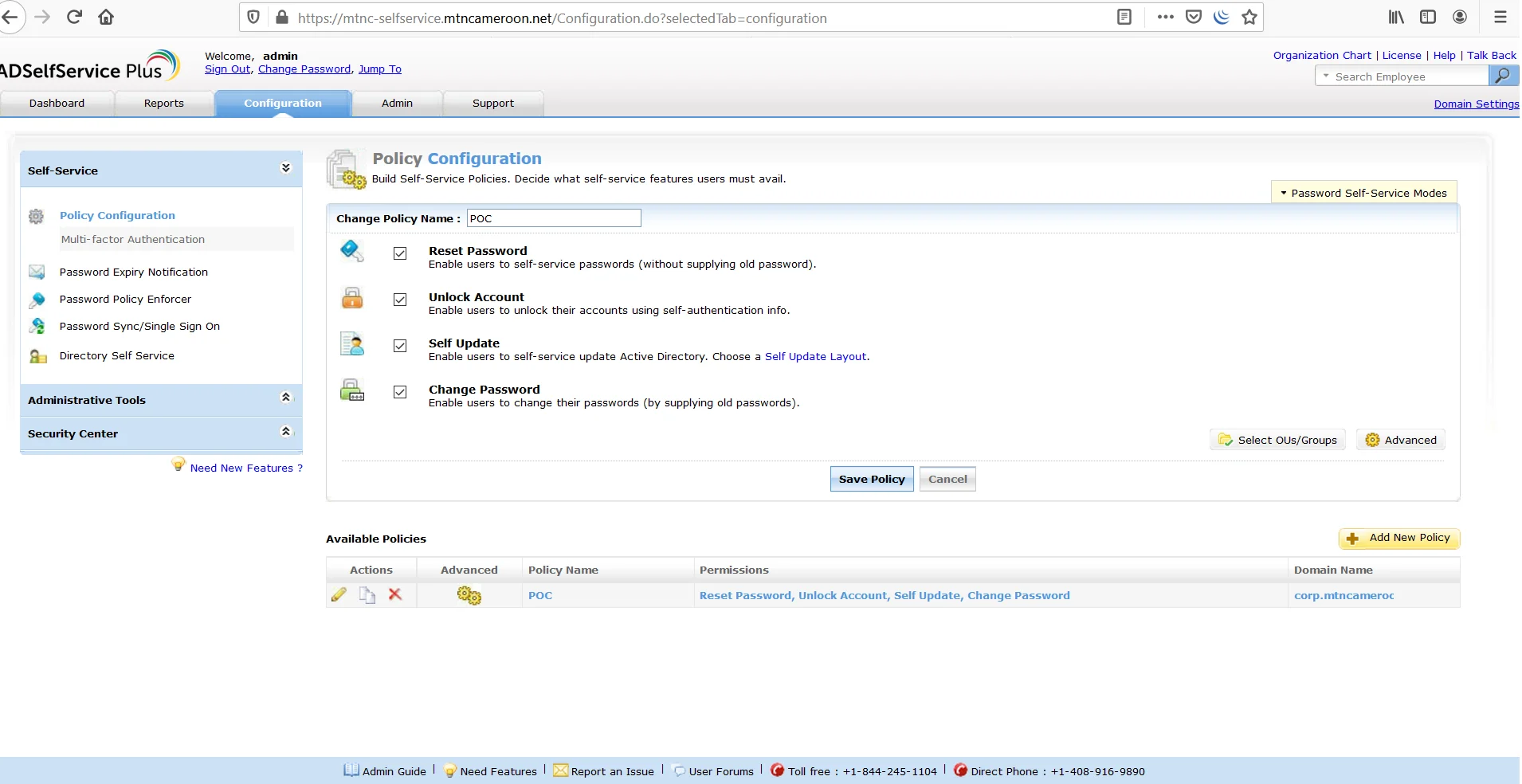
- booom .... full asset to super admin full panel
Supporting Material/References:
See attached screenshots
Impact
Attacker can make major configuration changes to the services.
Attachments
Not written yet. The AI write-up for this report has not been written yet. The Original tab links to the source.
How it worked
Root cause
Likely the application was deployed with default administrative credentials that were never changed.
Impact
An attacker could make major configuration changes to the services.
What the attacker needed
Network access to the login page; default credentials unchanged
The fix
Default administrative credentials should be changed.
How it was found
- Open the URL in a browser.
- Enter 'admin' as both username and password.
- Gain access to the super admin panel.
Explained by bugbounty.wiki with AI from the original and checked against quotes from it; it can still be wrong. Read the original before relying on a detail.
Not written yet. The AI write-up for this report has not been written yet. The Original tab links to the source.
This report is about a login page that still uses the default username and password 'admin' for both. Anyone who guesses or knows these common defaults can log in as an administrator. The fix is to change default passwords and enforce strong ones.
What is Access control?
A user can do something their role should not allow: reach an admin function, act on a feature they have not paid for, or skip a permission check. IDOR is the special case where the object belongs to someone else.


