Can download files by zipping the folder
A view-only shared folder could still be compressed into a zip archive by a recipient, and that archive could then be downloaded and extracted locally. This let an attacker obtain files they were not granted download permission for.
 Originally disclosed on HackerOne
- Triaged in under an hour
- Fixed in 2 months
- Disclosed after 3 months
Summary by the program
Security advisory at https://github.com/nextcloud/security-advisories/security/advisories/GHSA-vhj3-mch4-67fq
The report
- Create folder and share it as view-only
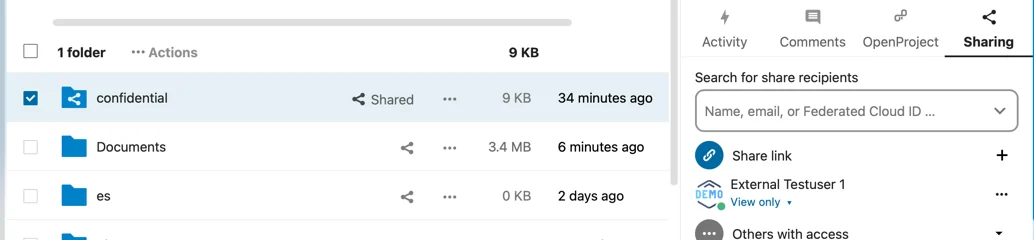
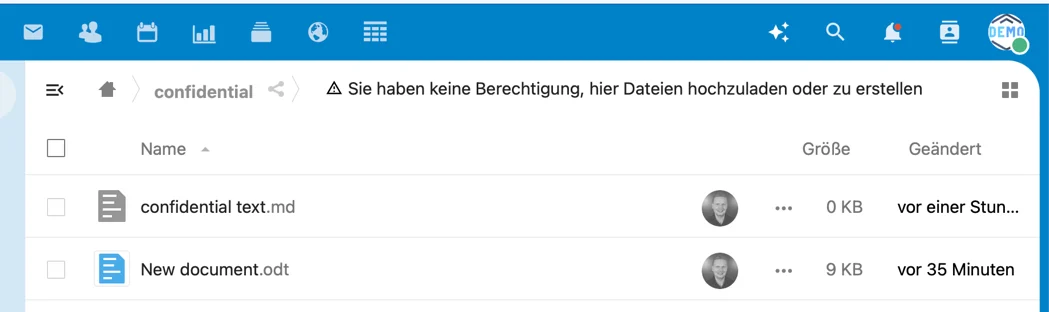
- Access this folder with Testuser
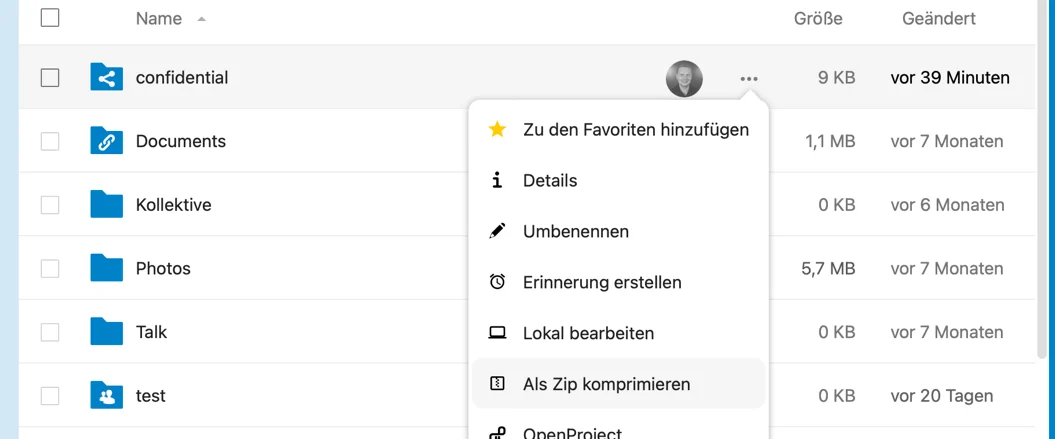
- Go one level up and compress the whole folder
- The zip file can be downloaded and extracted locally
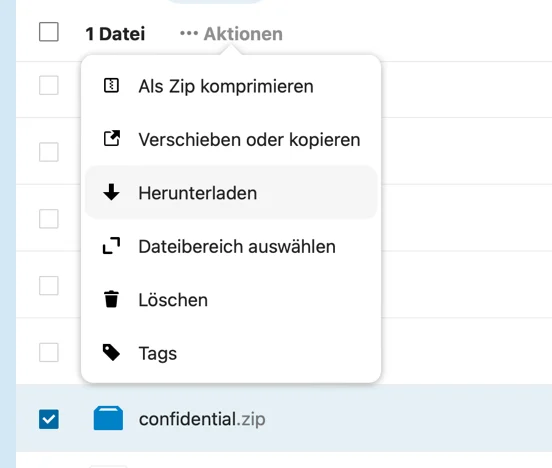
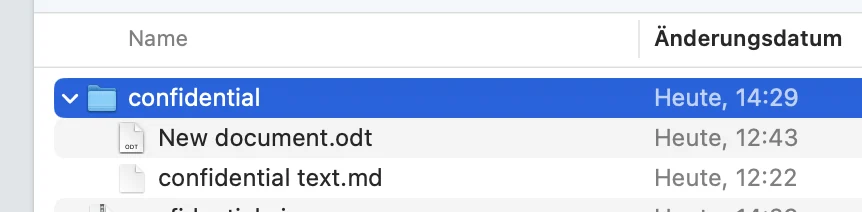
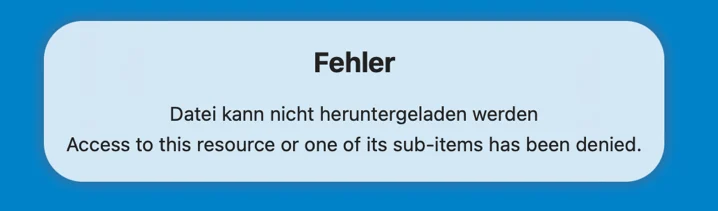
- The folder itself can not be downloaded directly
Impact
Can download files without download permissions
Not written yet. The AI write-up for this report has not been written yet. The Original tab links to the source.
How it worked
Root cause
Likely the archive/compress action did not enforce the same download-permission checks as a direct file download.
What the attacker needed
A view-only shared folder; a second user account with access
How it was found
- Create a folder and share it as view-only.
- Access the shared folder as a second test user.
- Go one level up and compress the whole folder.
- Download the resulting zip file and extract it locally.
Explained by bugbounty.wiki with AI from the original and checked against quotes from it; it can still be wrong. Read the original before relying on a detail.
Not written yet. The AI write-up for this report has not been written yet. The Original tab links to the source.
When someone shares a folder with you as view-only, you should be able to look at the files but not save copies. Here, the sharing rules were not applied to the 'compress this folder' feature, so a user could turn the folder into a zip file and download that instead. A zip file is just a single archive containing many files, which can be unpacked on the user's own machine.
What is Access control?
A user can do something their role should not allow: reach an admin function, act on a feature they have not paid for, or skip a permission check. IDOR is the special case where the object belongs to someone else.


