Email Spoofing
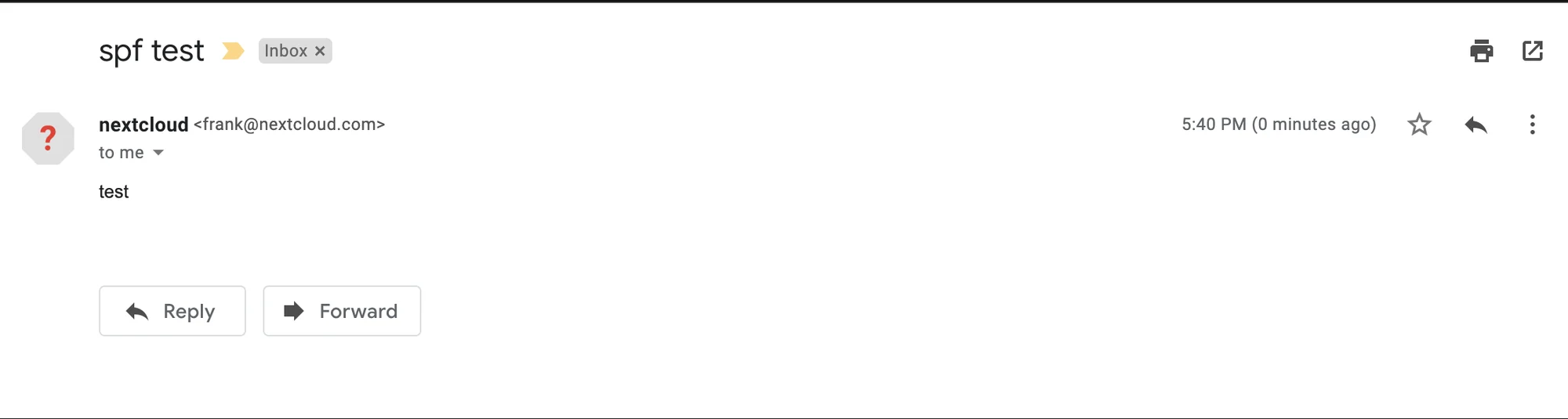
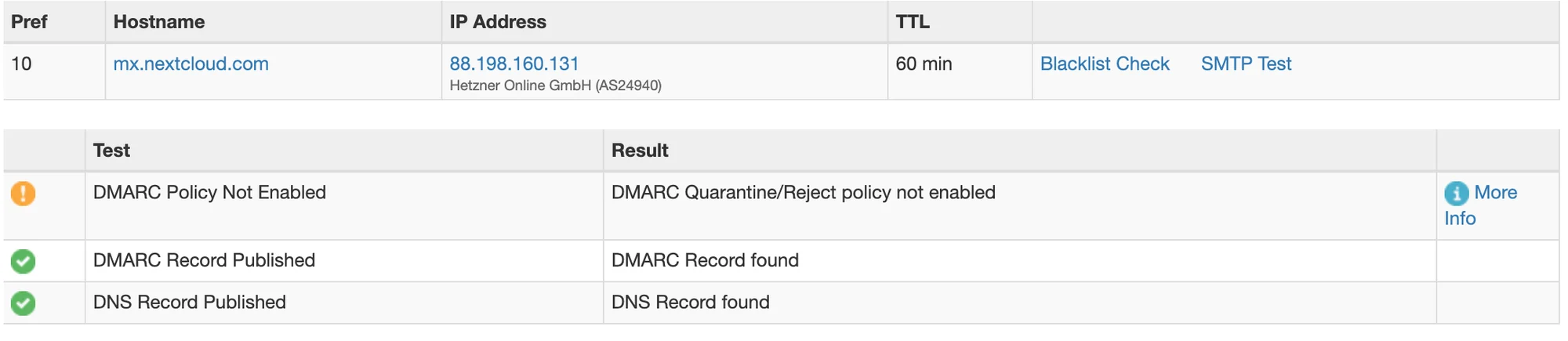
The domain lacked an SPF record and a DMARC policy, so mail servers had no instruction about which hosts may send mail for it. An attacker could therefore send messages that appear to come from the organisation and ask victims for passwords or personal information.
 Originally disclosed on HackerOne
- Disclosed after 9 days
An SPF/DMARC record is a type of Domain Name Service (DNS) record that identifies which mail servers are permitted to send email on behalf of your domain. The purpose of an SPF/DMARC record is to prevent spammers from sending messages on the behalf of your organization.
Remediation: Create a SPF record. And configure the DMARC policy so that only authorized and allowed mail server could send the mails on the behalf of the organization.
Impact
Impact: The impact is, attacker can send the mail on the behalf of your organization and ask any kind of password or personal sensitive information from the victim.
Attachments
Not written yet. The AI write-up for this report has not been written yet. The Original tab links to the source.
How it worked
Root cause
Likely the domain had no SPF record and no DMARC policy published in DNS, so receiving mail servers had nothing to check the sender against.
Impact
An attacker could send email impersonating the organisation and use it to ask victims for passwords or sensitive personal information.
What the attacker needed
No SPF or DMARC record on the domain; attacker can send email to victims
The fix
The domain should publish an SPF record listing authorised sending servers and a DMARC policy that restricts mail sent on the organisation's behalf.
Explained by bugbounty.wiki with AI from the original and checked against quotes from it; it can still be wrong. Read the original before relying on a detail.
Not written yet. The AI write-up for this report has not been written yet. The Original tab links to the source.
Receiving mail services can check a published list of servers allowed to send mail for a domain. This domain had no SPF list and no DMARC policy, so anyone could send mail appearing to come from the organisation and ask for passwords or personal information.
What is Misconfiguration?
Settings left unsafe: exposed panels, open storage buckets, debug modes, default credentials.



