https://newsletter.nextcloud.com Directory listening and Information Disclosure
The site's admin area and image directories were protected when reached through the domain name, but the same paths were openly reachable when requested directly via the server's IP address. An attacker could view the admin interface, a design page, and directory listings, and learn the exact phpList version in use.

- Triaged in 5 hours
- Fixed in 12 hours
- Disclosed after 15 hours
Hi,
This is the domain that we are going to work about it as you know:
https://newsletter.nextcloud.com/
Firstly I want to tell https://newsletter.nextcloud.com/admin when you are trying to navigate this link it needs authentication.But when you are doing this with via IP http://88.198.160.137/admin/ you can reach the admin page.And with this you are gettin information about phpList.
view-source:http://88.198.160.137/index.php
Go that page you'll see this code in the source title="powered by phpList version 3.2.5,
Let's talk about directory listening.
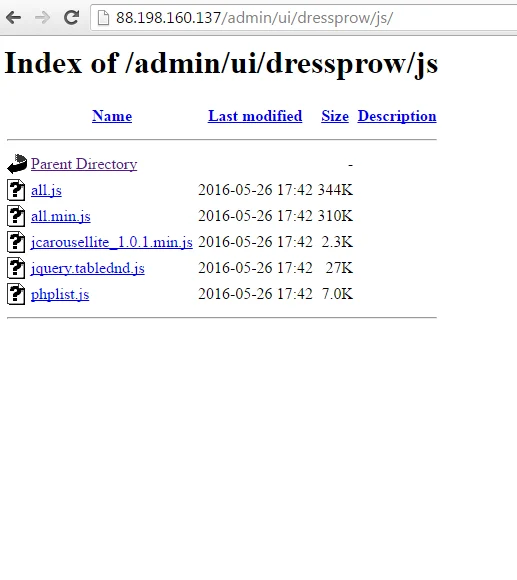
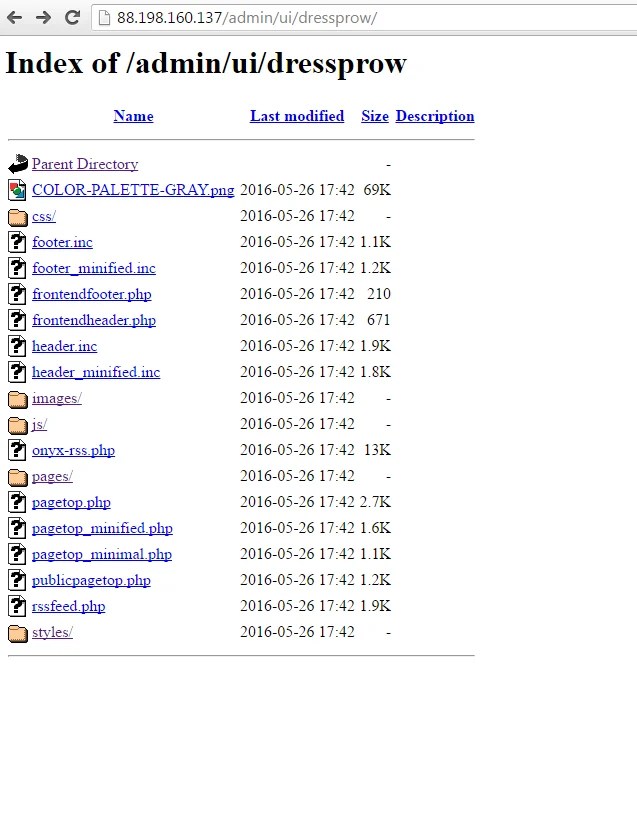
Again.when you are trying navigate this https://newsletter.nextcloud.com/images/ it is saying "Not authorized." but you can reach the directories via IP
PoC:
Take a look at links below
http://88.198.160.137/admin/ui/
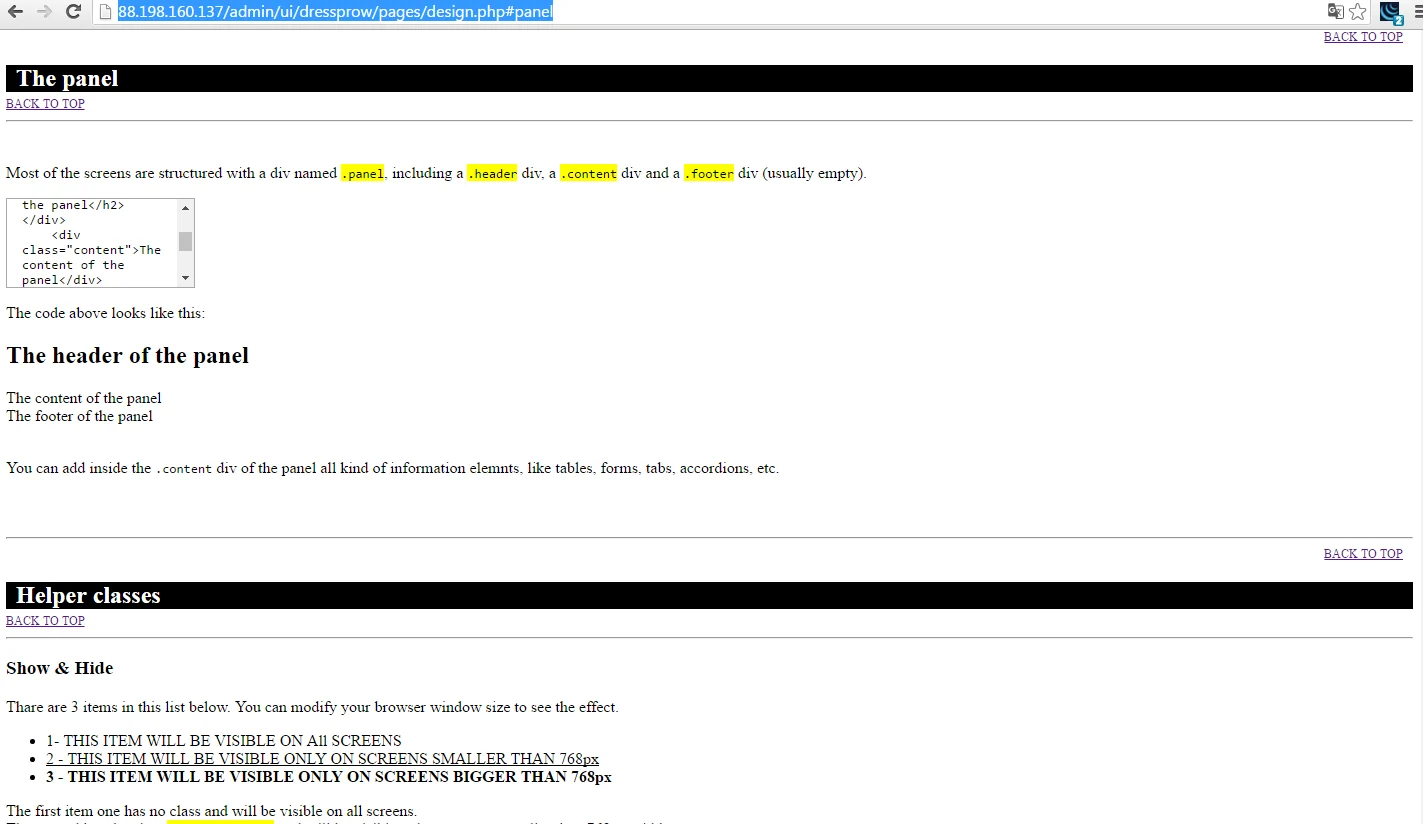
I can even access the designing page with this link
http://88.198.160.137/admin/ui/dressprow/pages/design.php
Probably this design page is helping you when you are creating the codes of html pages on the newsletter.Anyway an attacker can use this informations for future bugs,or he can provide useful information
Thanks already,
mefkan
Attachments
Not written yet. The AI write-up for this report has not been written yet. The Original tab links to the source.
How it worked
Root cause
Likely the access restrictions were applied only to requests arriving with the expected hostname, so requests sent straight to the server's IP address bypassed them.
Impact
An attacker could read the admin interface, a newsletter design page and directory listings, and learn the exact phpList version, which could support further attacks.
What the attacker needed
Know the server's IP address; no login needed via IP
How it was found
- Open the admin path through the normal domain name and observe that authentication is required.
- Request the same admin path using the server's IP address instead and reach the admin page.
- View the page source to read the phpList version string.
- Request the images directory through the domain name and see the refusal message.
- Request the same directory and other admin sub-paths via the IP address to list their contents.
Explained by bugbounty.wiki with AI from the original and checked against quotes from it; it can still be wrong. Read the original before relying on a detail.
Not written yet. The AI write-up for this report has not been written yet. The Original tab links to the source.
A website can be reached by its name (like a street address people know) or by the numeric address of the server it lives on. Here the protection was only applied to the name, so typing the numeric address skipped it and showed pages that should have been private. The reporter also found that the software version was visible, which helps an attacker pick known attacks.
What is Info disclosure?
Data the application should keep private (personal data, internal details, other users' records) reaches someone it should not.





