2FA requirement bypass when inviting team members
The application enforced a 2FA requirement for sending team invitations only on the client side, so a user could bypass it by altering a client-side flag. An attacker could then send invitations without enabling 2FA, undermining the security policy.

- Triaged in 20 days
- Fixed in 3 months
- Paid in 3 months
- Disclosed after 5 months
Summary:
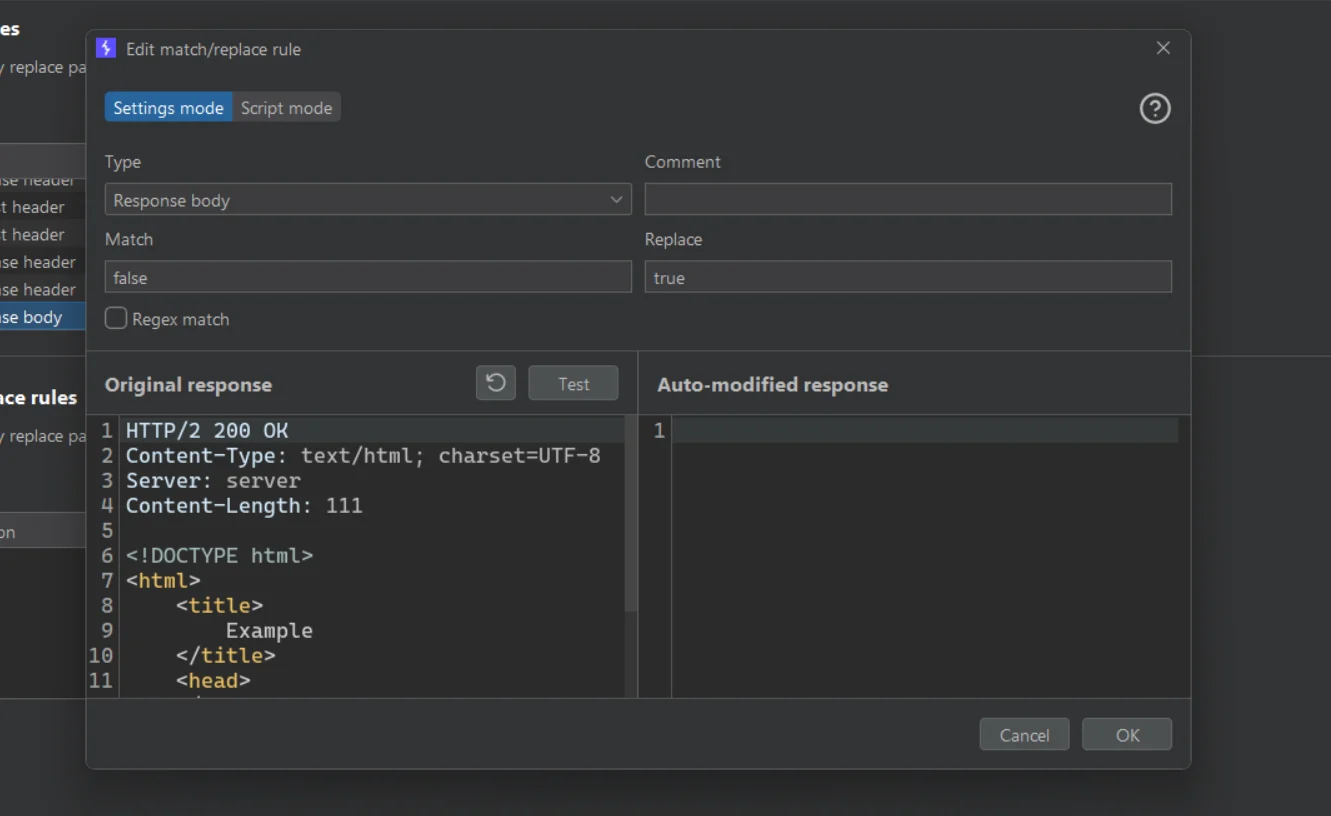
The application requires users to enable 2FA before sending team invitations. However, this restriction can be bypassed by modifying client-side responses (match and replace from false to true). This allows invitations to be sent without enabling 2FA, defeating the security requirement.
Steps To Reproduce:
-
Sign up / log in to the application.
-
Go to the Team section.
-
Try to invite a new member → the application blocks the request, requiring 2FA.
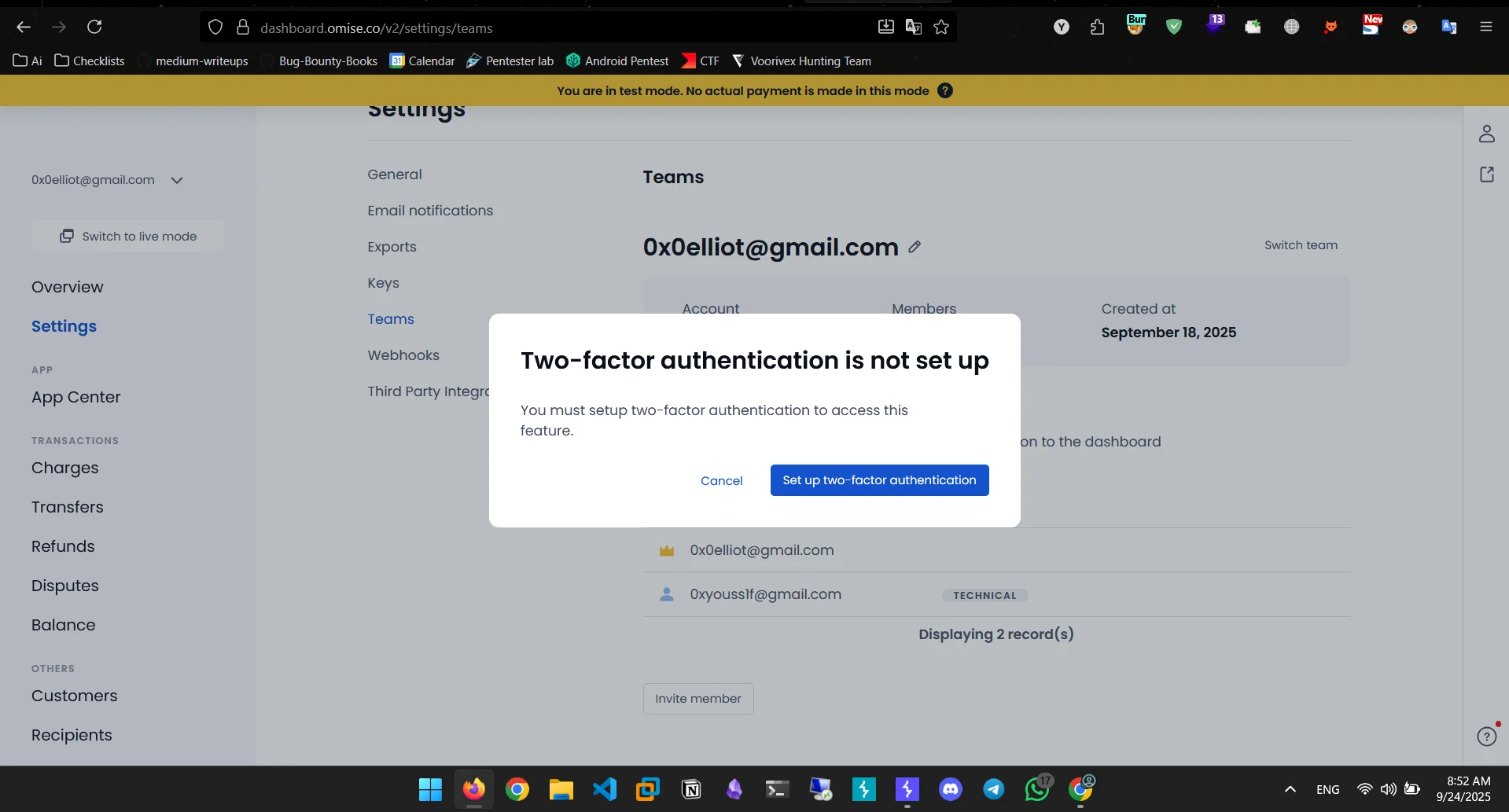
- Use a Burp extension ( Match and Replace) to change the client-side flag
false → true.
-
Refresh the page then attempt to send an invitation again.
-
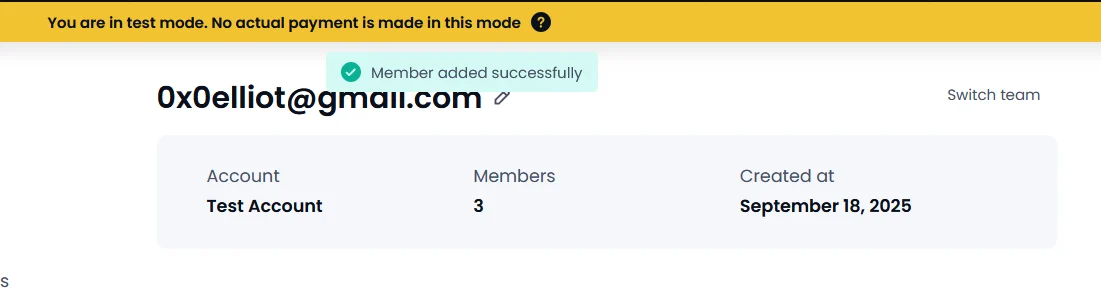
The invitation is sent successfully without enabling 2FA.
Impact
-
This bypass allows attackers to ignore the enforced security policy.
-
Reduces the effectiveness of 2FA enforcement.
-
Could allow compromised accounts to invite unauthorized users without 2FA protection.
##Recommendation
Ensure 2FA requirement is validated on the server-side before processing any team invitation requests, instead of relying only on client-side checks.
Not written yet. The AI write-up for this report has not been written yet. The Original tab links to the source.
How it worked
Root cause
Likely the 2FA requirement was enforced only in the client-side code, with no server-side validation before processing the invitation.
Impact
An attacker could bypass the enforced 2FA policy and send team invitations without enabling 2FA, potentially allowing compromised accounts to invite unauthorised users.
What the attacker needed
A user account; ability to intercept and modify client-side responses
How it was found
- Sign up or log in to the application.
- Go to the Team section.
- Try to invite a new member; the application blocks the request and requires 2FA.
- Use a Burp extension (Match and Replace) to change the client-side flag from false to true.
- Refresh the page and attempt to send an invitation again.
- The invitation is sent successfully without enabling 2FA.
Explained by bugbounty.wiki with AI from the original and checked against quotes from it; it can still be wrong. Read the original before relying on a detail.
Not written yet. The AI write-up for this report has not been written yet. The Original tab links to the source.
Two-factor authentication (2FA) is an extra login step, like a code from your phone. The app tried to force users to turn on 2FA before inviting teammates, but it only checked this in the browser, not on the server. By changing a value the browser sends, a user could skip the 2FA requirement and still send invites.
What is Access control?
A user can do something their role should not allow: reach an admin function, act on a feature they have not paid for, or skip a permission check. IDOR is the special case where the object belongs to someone else.

