Improper Certificate Validation
The same Burp Suite licence key could be used to activate more than one version of the software, so a single licence could serve multiple users. The reporter demonstrated this by activating both the latest and an older version with one key.

- Disclosed after 29 days
-
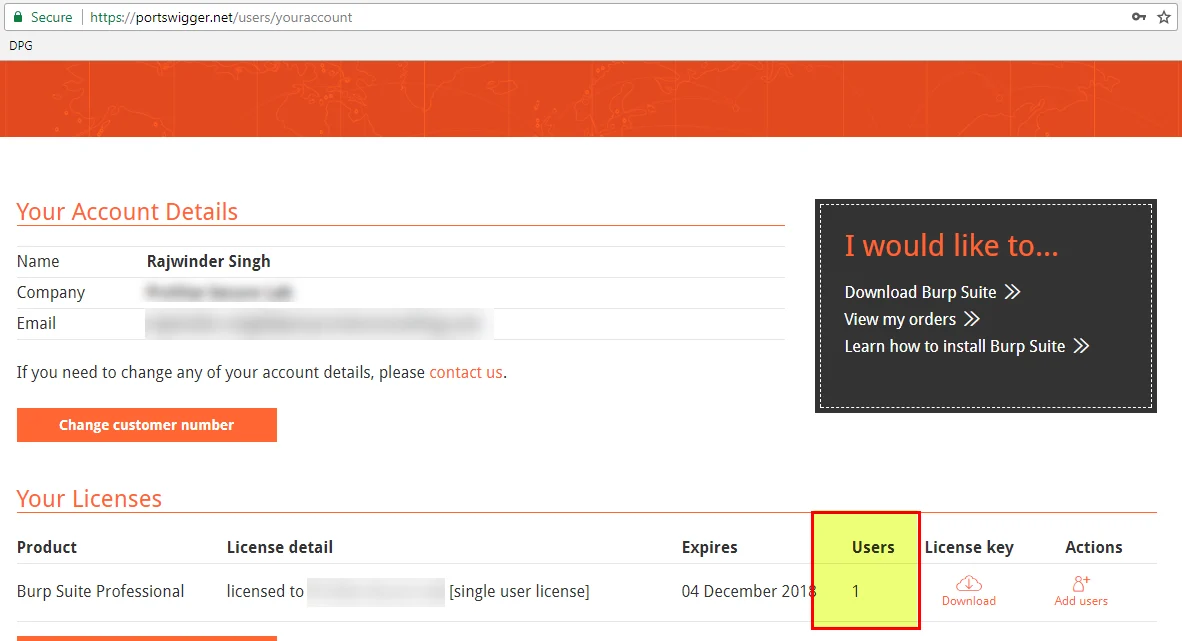
Obtained a key from PortSwigger official site.
-
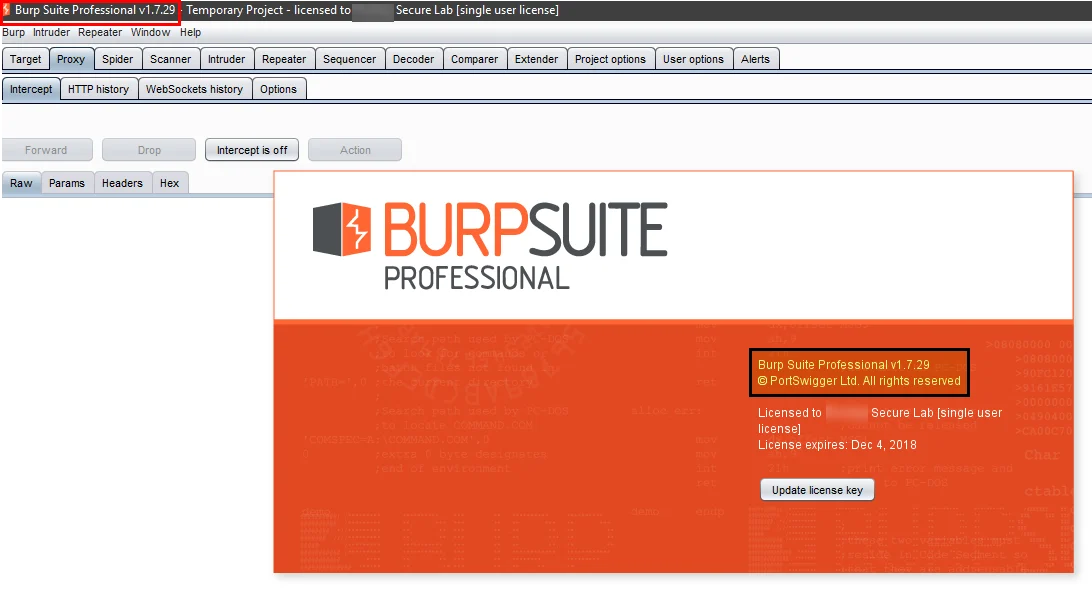
Downloaded latest version of burp 1.7.29 from PortSwigger and activated license.
-
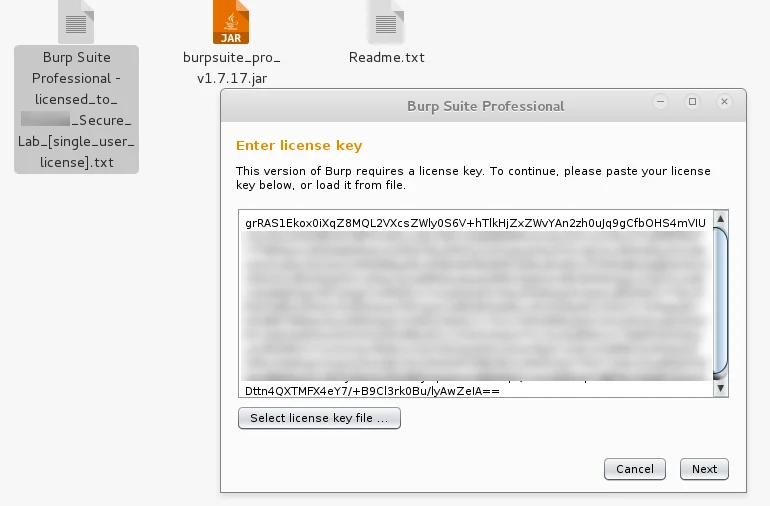
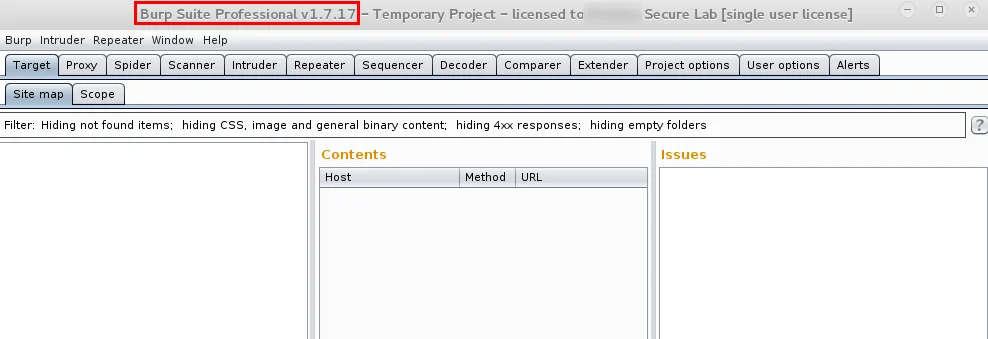
Downloaded previous version of burp v1.7.17 and used same key for the activation.
And, I was able to activate license on the old version of BurpSuite.
Impact
Single license can be used for multiple users.
Attachments
Not written yet. The AI write-up for this report has not been written yet. The Original tab links to the source.
How it worked
Root cause
Likely the licence activation check did not bind the key to a single installation or version, allowing reuse across versions.
Impact
A single licence could be used by multiple users, reducing the vendor's licensing control.
What the attacker needed
A valid licence key; access to two versions of the software
How it was found
- Obtain a licence key from the official site.
- Download and activate the latest version of the software with the key.
- Download an older version and activate it with the same key.
- Observe that activation succeeds on the older version.
Explained by bugbounty.wiki with AI from the original and checked against quotes from it; it can still be wrong. Read the original before relying on a detail.
Not written yet. The AI write-up for this report has not been written yet. The Original tab links to the source.
A licence key is meant to allow one person or one installation to use paid software. Here the same key worked on two different versions at once, which means the software did not properly check that the key was only being used once. This is a licensing flaw rather than a security vulnerability that lets an attacker steal data or take over an account.
What is Crypto?
Encryption, signatures, randomness or certificate checks that do not protect what they claim to.



