Invited team member can disclosure slack channels
An invited team member without permissions could query a GraphQL endpoint to retrieve the names of private Slack channels they were not invited to. This exposed private channel names to unauthorised users.

- Triaged in 41 hours
- Fixed in 22 days
- Paid in 8 days
- Disclosed after 23 days
Summary: Hello, this report is similar to #505493 (also still waiting for response), but accent is totally on another thing. I think it is important and should be fixed, and so i create new report.
Invited team member without any permission can disclosure private channel names of slack integration.
If it is also by design, i very hope that it should be fixed.
For example, user1 and user2 can be in one slack team and one hackerone team, but user1 can't view names of some private slack channels in which he not invited. But he can disclosure it names by making graphql query to hackerone
Description: Using graphql query
query{

  teams(where:{handle:{_eq:"hackeronetest_4hr1y"}}){
    edges{
      node{
        slack_pipelines{
          nodes{
            id
            descriptive_label
            team{
              handle
              slack_integration{
                channels{
                  name
                }
              }
            }
          }
        }
      }
    }
  }
}
invited team member(hackerone) without permission can access private slack channel names in which he not invited
Steps To Reproduce
- as team admin create slack integration
- create private channel
- invite new team member to hackerone team, not required that user is invited to slack team
- remove any permissions for this user
- login as invited user
- send graphql query as described early:
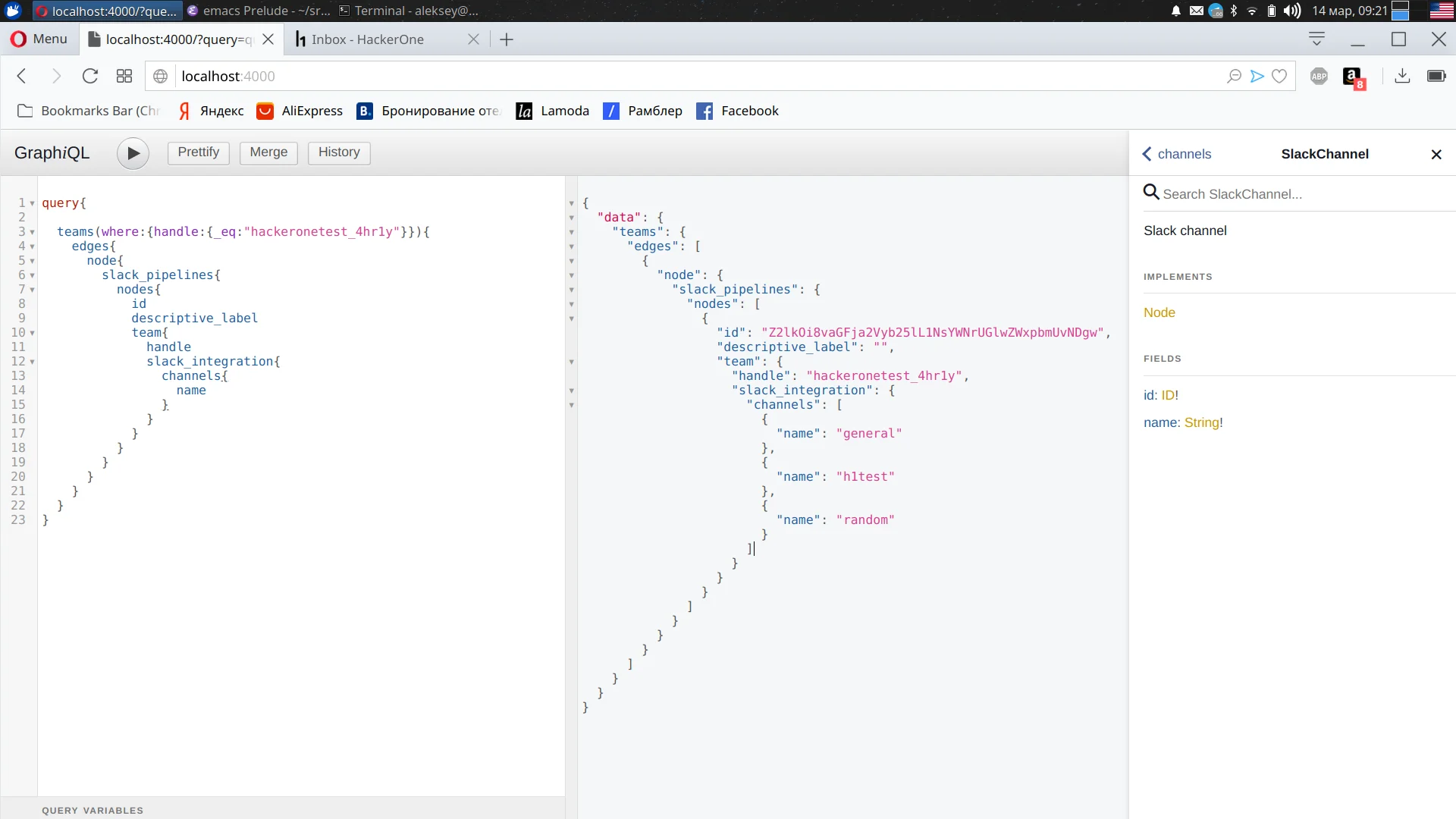
Screenshot_2019-03-14_09-21-09.png From the original on HackerOne
Optional: Your Environment (Browser version, Device, etc)
Optional: Supporting Material/References (Screenshots)
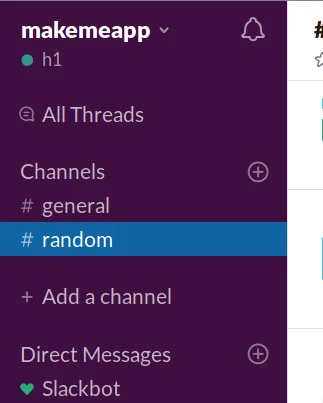
what channels can see invited user:
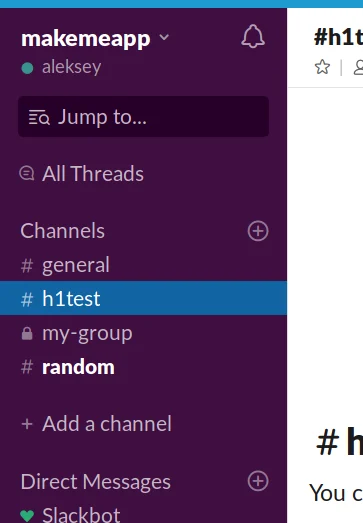
what channels can see slack admin:
what channels returns to invited user though graphql:
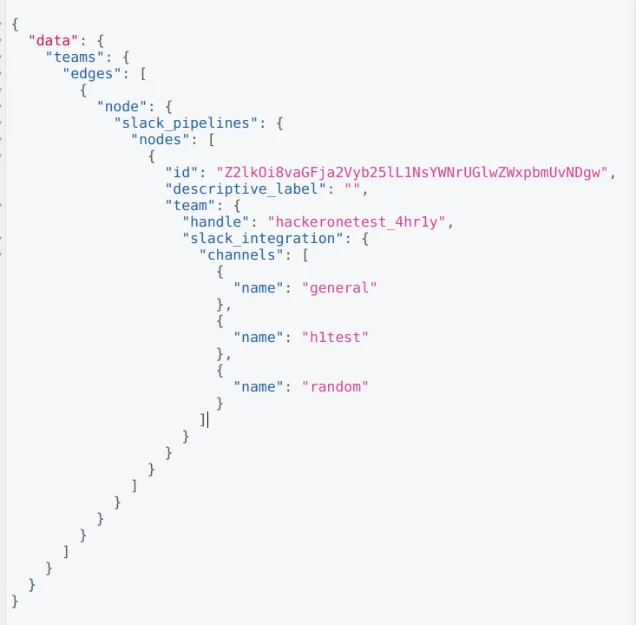
invited user must not view this channel name: h1test
Optional: Did you use recon data made available by HackerOne to find this vulnerability?
no
Impact
Disclosure private channels of slack integration
Not written yet. The AI write-up for this report has not been written yet. The Original tab links to the source.
How it worked
Impact
An invited team member without permissions could disclose the names of private Slack channels they were not invited to.
What the attacker needed
A HackerOne team with Slack integration; a private Slack channel; an invited team member with no permissions
How it was found
- As team admin, create a Slack integration.
- Create a private channel in Slack.
- Invite a new team member to the HackerOne team (no Slack invite needed).
- Remove all permissions from this user.
- Log in as the invited user.
- Send the GraphQL query to retrieve Slack channel names.
Explained by bugbounty.wiki with AI from the original and checked against quotes from it; it can still be wrong. Read the original before relying on a detail.
Not written yet. The AI write-up for this report has not been written yet. The Original tab links to the source.
A team member with no special rights could use a special query to see the names of private Slack channels they were not supposed to see.
What is Access control?
A user can do something their role should not allow: reach an admin function, act on a feature they have not paid for, or skip a permission check. IDOR is the special case where the object belongs to someone else.

