Session Token in URL
A token was placed in a URL on the sifchain.finance site, which could be logged or leaked to third parties, increasing the risk of capture.
 Originally disclosed on HackerOne
- Disclosed after 7 months
Hello Sifchain Finance Team - Greetings to you! Hope you are well and safe.
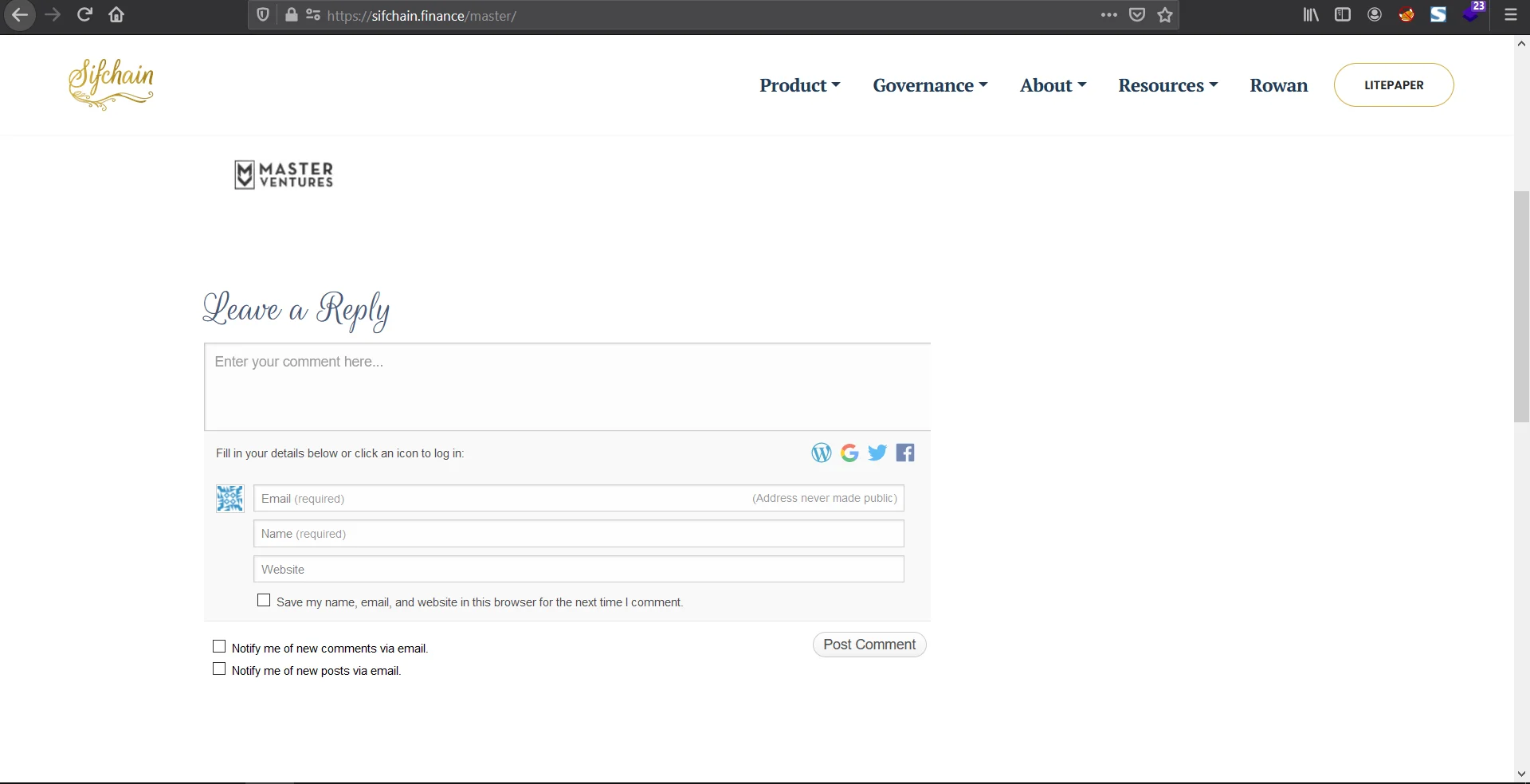
MAIN URL - https://sifchain.finance/master/
PROOF OF CONCEPT:
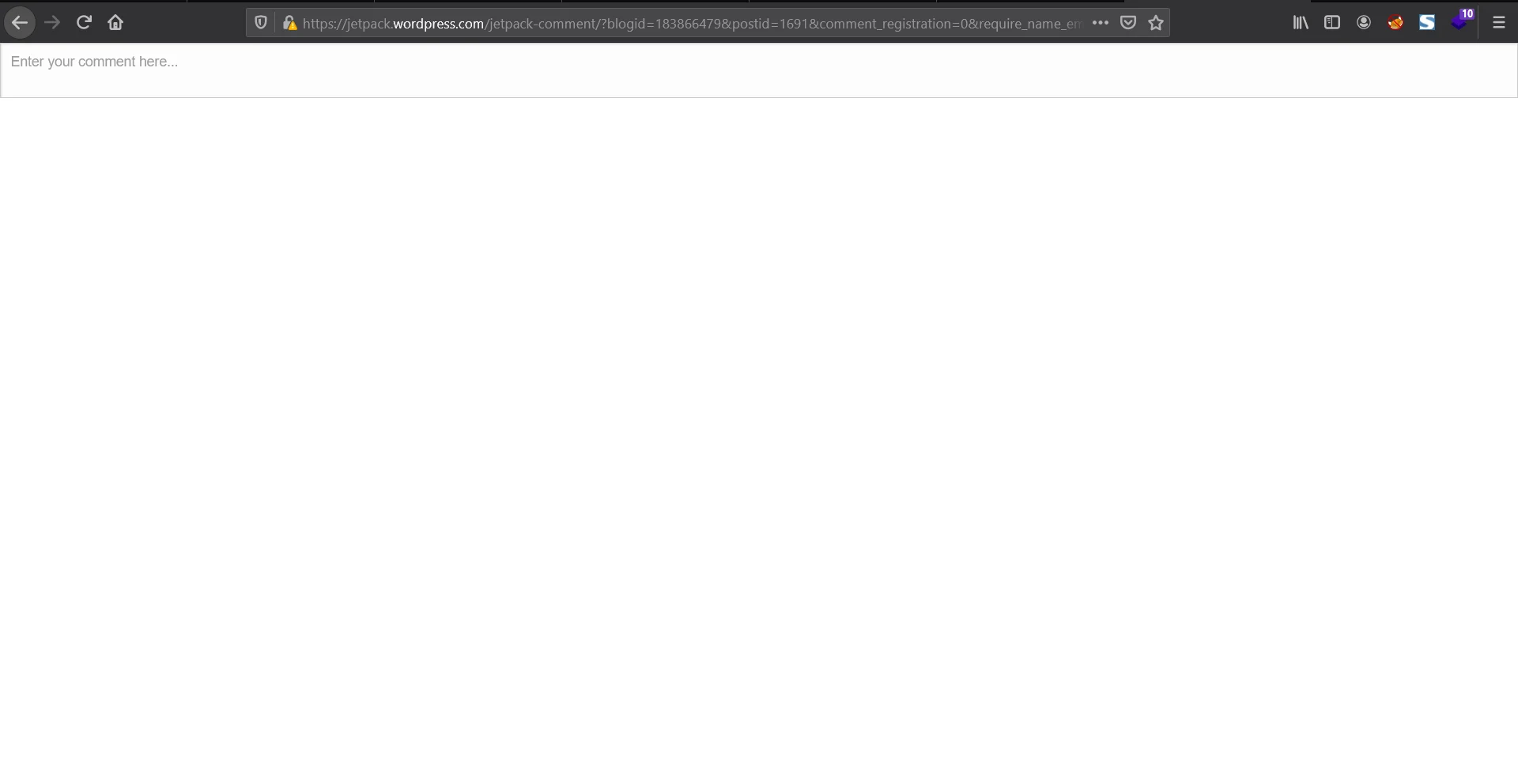
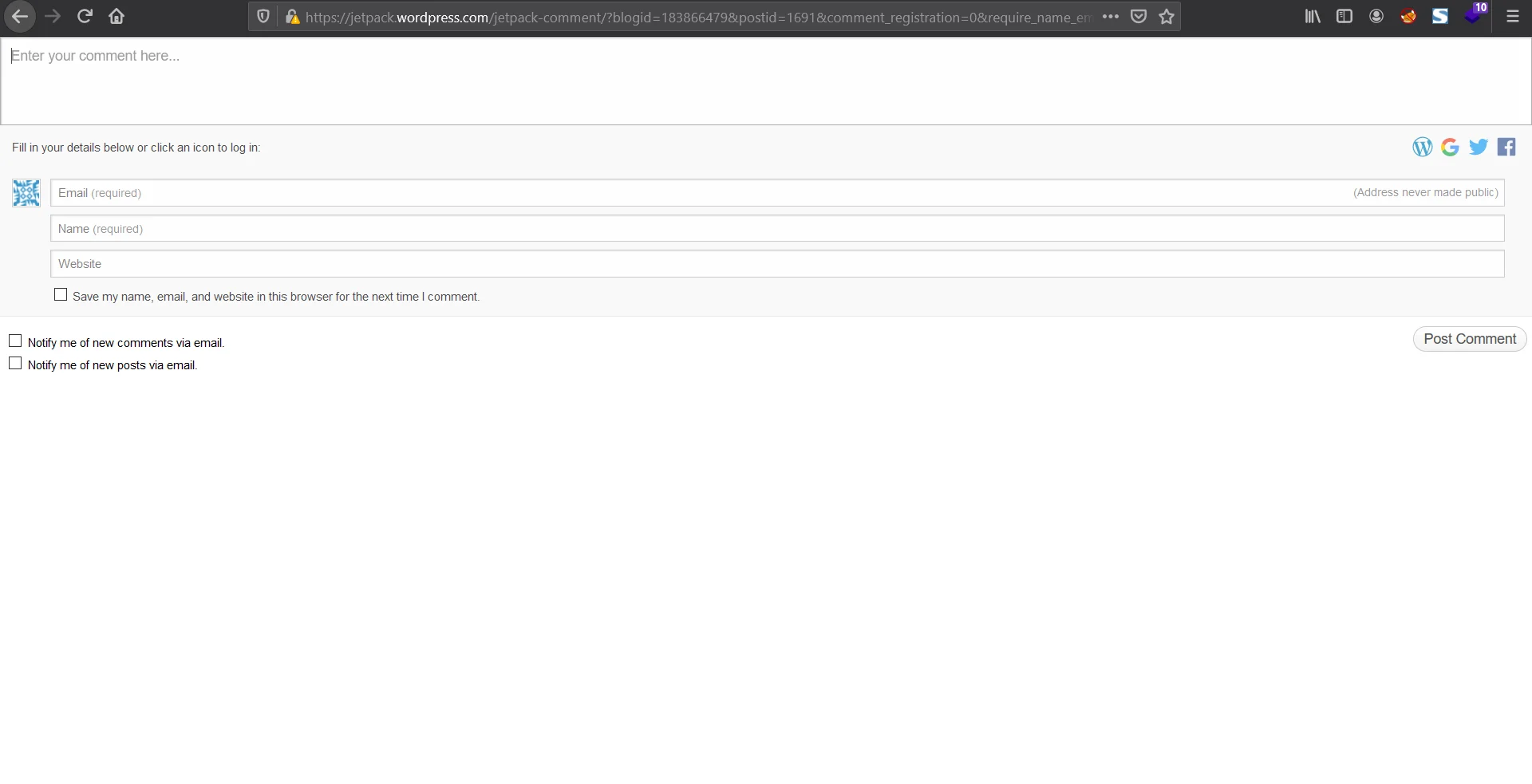
Kindly have a look at the screenshots I attached with this report for further information and clarification. It would also help you in easy evaluation. Master page is the original page and affected page1 is the page that appears when you click on the link I mentioned. And affected page 2 is the page that appears when you click on the Enter your Comment here text box.
Have a nice day! Waiting for your positive reply.
Thanks and Regards, lemon_in_the_spoon
Impact
IMPACT:
If you go through this link, you are able to access the master page of the sifchain.finance website. So this issue has to be fixed. Because Sensitive information within URLs may be logged in various locations, including the user's browser, the web server, and any forward or reverse proxy servers between the two endpoints. URLs may also be displayed on-screen, bookmarked or emailed around by users.
So they may be disclosed to third parties via the Referer header when any off-site links are followed. Placing session tokens into the URL increases the risk that they will be captured by an attacker.
Attachments
Not written yet. The AI write-up for this report has not been written yet. The Original tab links to the source.
How it worked
Root cause
Likely the application included a session token as a URL parameter instead of keeping it in a cookie or request body.
Impact
The token could be disclosed through logs, browser history, bookmarks, or the Referer header, increasing the risk of session hijacking.
Explained by bugbounty.wiki with AI from the original and checked against quotes from it; it can still be wrong. Read the original before relying on a detail.
Not written yet. The AI write-up for this report has not been written yet. The Original tab links to the source.
A session token is like a temporary password that keeps you logged in. Here, that token was put into the web address (URL), so it can be saved in browser history, server logs, or shared accidentally. If someone else gets the token, they might be able to act as you.
What is Account takeover?
Getting into someone else's account through a flaw in sign-in, password reset, second factor, single sign-on or session handling.



