Password token leak via Host header
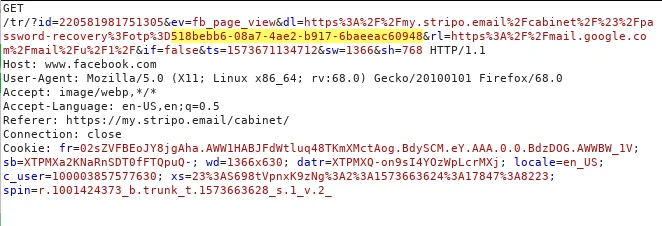
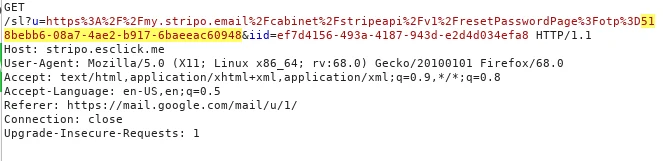
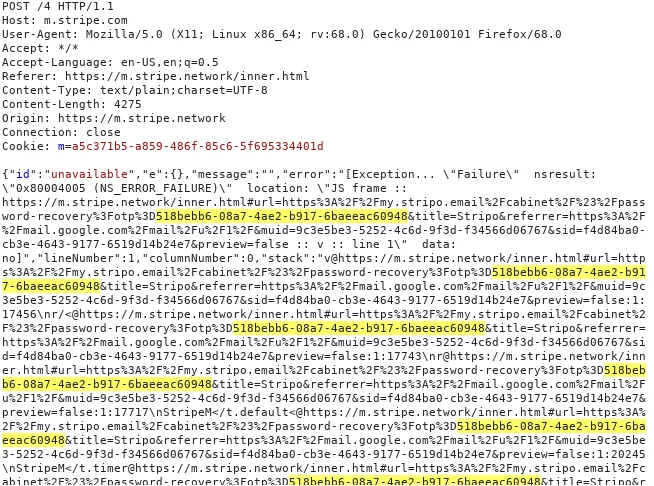
The password reset flow leaked the reset token to a third-party site through the Host header and the Referer header. An attacker controlling that site could obtain the token and use it to reset the victim's password and take over the account.
 Originally disclosed on HackerOne
- Triaged in 4 hours
- Fixed in 34 days
- Disclosed after 36 days
#Password token leak via Host header
##Vulnerability Description: Token will be leaked by the Server to that third party site and that token can be used by third parties to reset the password and take over the account & directly login in your account
##Steps To Reproduce:
- Send reset password link to your email address.
2)Now go to email, turn burp suite intercept on and click on reset password link. Check for the requests having the token in referrer and host as third party website. And copy the link 3)Now turn intercept off and reset the password.(with that link) 4)Now reset the password.
#POC: Images Uploaded
Impact
#Impact
It allows the person who has control of particular site to change the user's password (CSRF attack), because this person knows reset password token of the user.
Attachments
Not written yet. The AI write-up for this report has not been written yet. The Original tab links to the source.
How it worked
Root cause
Likely the application built the reset link or redirect from the untrusted Host header, so the token was sent to an attacker-controlled host and also appeared in the Referer header.
Impact
A person who controls the third-party site could learn the reset token and change the user's password, leading to account takeover.
What the attacker needed
Victim requests a password reset; attacker controls a third-party site; victim opens the reset link
How it was found
- Request a password reset link for your own email address.
- Open the email, enable interception, and click the reset link.
- Inspect the requests for the token appearing in the Referer and for a third-party Host value, then copy the link.
- Disable interception and use the copied link to reset the password.
Explained by bugbounty.wiki with AI from the original and checked against quotes from it; it can still be wrong. Read the original before relying on a detail.
Not written yet. The AI write-up for this report has not been written yet. The Original tab links to the source.
When you forget your password, a site emails you a special link containing a secret code (a token) that proves it is really you. This report says that when the link was opened, the site sent that secret code to another website, probably because it trusted a value in the request called the Host header. Anyone who runs that other website could read the code and use it to change your password.
What is Account takeover?
Getting into someone else's account through a flaw in sign-in, password reset, second factor, single sign-on or session handling.






