[Android org.torproject.android] Possible to force list of bridges
Orbot's main activity accepted a bridge:// deep link without authentication, letting any installed app change the user's bridge configuration.

- Disclosed after 30 days
Do the following thing from ADB to emulate the activity start:
adb am start -n org.torproject.android/.OrbotMainActivity -a android.intent.action.VIEW -d bridge://xxx
Or create a malware app with the following code:
        Intent intent = new Intent("android.intent.action.VIEW");
        intent.setClassName("org.torproject.android", "org.torproject.android.OrbotMainActivity");
        intent.setData(Uri.parse("bridge://xxx"));
        startActivity(intent);
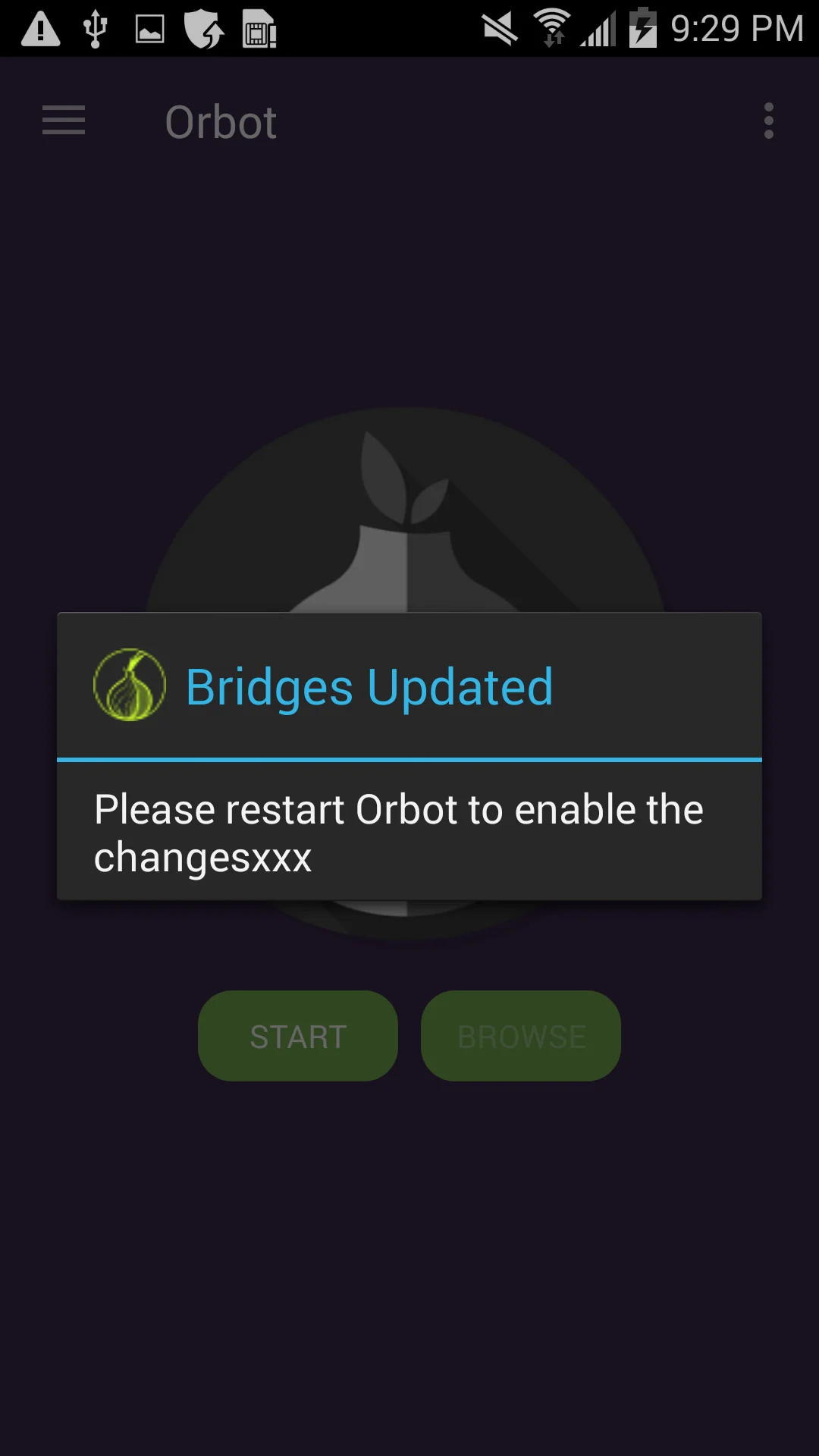
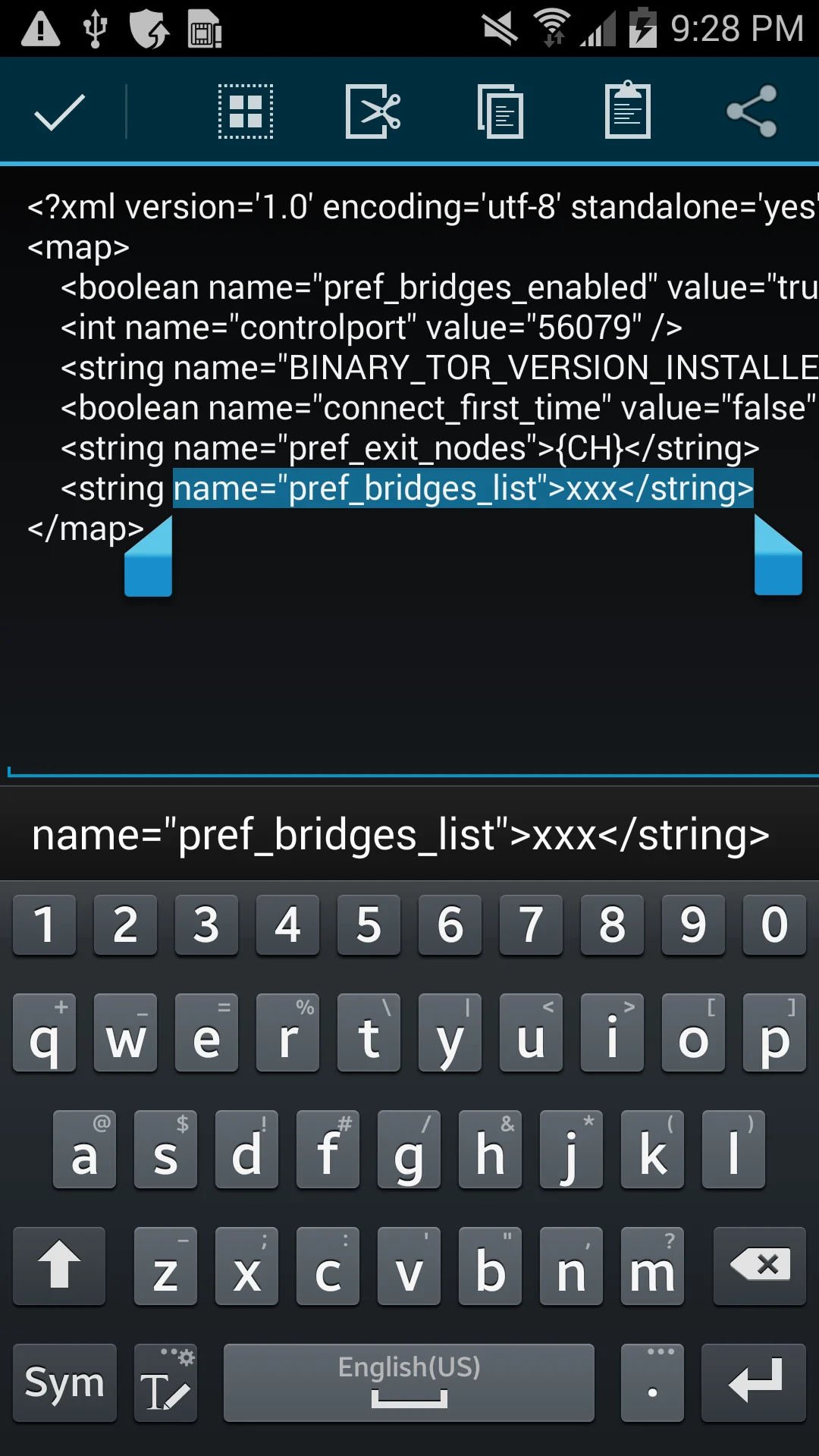
And new list of bridges will be applied (notification will be shown and new value will be added to shared_prefs).
It's dangerous because any not authorized app (third party app) installed on the same device will be able to modify settings. On the newest Android devices this not authozed change can be done remotely from any web-browser using Instant Apps (app that doesn't require install to execute any code).
Attachments
Not written yet. The AI write-up for this report has not been written yet. The Original tab links to the source.
How it worked
Root cause
Likely the exported activity processes the 'bridge://' deep link without verifying the caller or requiring user confirmation.
What the attacker needed
Attacker app installed on same device; or ADB access; or Instant Apps via browser
How it was found
- Use ADB to start the Orbot main activity with a VIEW intent carrying a bridge:// URI.
- Alternatively, build a malicious app that sends the same intent to the Orbot activity.
- Observe that the new bridge list is applied and stored in shared preferences.
Explained by bugbounty.wiki with AI from the original and checked against quotes from it; it can still be wrong. Read the original before relying on a detail.
Not written yet. The AI write-up for this report has not been written yet. The Original tab links to the source.
Android apps can expose activities that other apps can launch. Here, Orbot's main screen accepted a special link that changed its bridge settings without asking the user. Any other app on the phone could send that link, so a malicious app could silently alter how Orbot connects to the Tor network.
What is Access control?
A user can do something their role should not allow: reach an admin function, act on a feature they have not paid for, or skip a permission check. IDOR is the special case where the object belongs to someone else.




