uber.com may RCE by Flask Jinja2 Template Injection
 Originally disclosed on HackerOne
- Triaged in 3 hours
- Fixed in 2 days
- Paid in 12 days
- Disclosed after 12 days
Hi, Uber Security Team
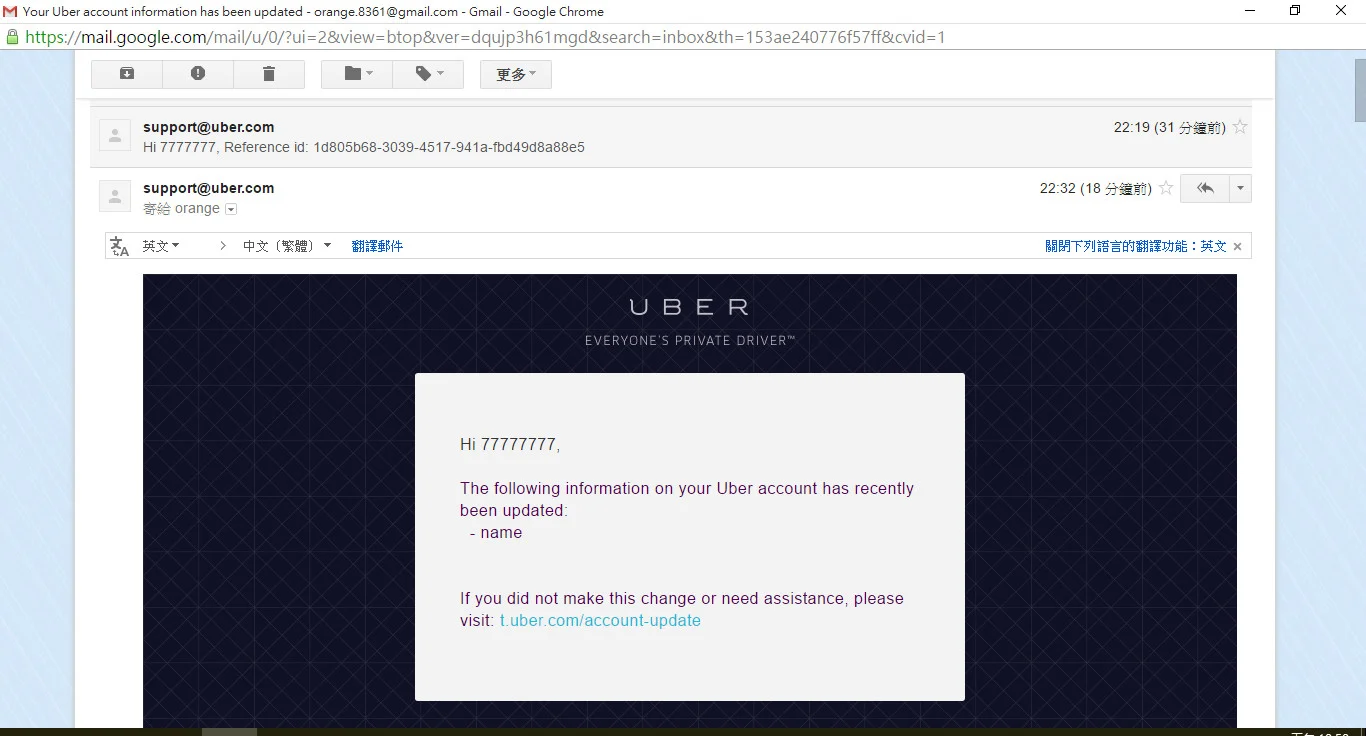
I found an RCE in rider.uber.com. First, if you change your profile name to {{ '7'*7 }}, and you will receive a mail "Your Uber account information has been updated" sent by [email protected]
And in mail body, you can see your name become '7777777'
This is a vulnerability about Flask Template Engine(Jinja2) Injection , more detail can be seen in these blogs https://nvisium.com/blog/2016/03/09/exploring-ssti-in-flask-jinja2/ https://nvisium.com/blog/2016/03/11/exploring-ssti-in-flask-jinja2-part-ii/
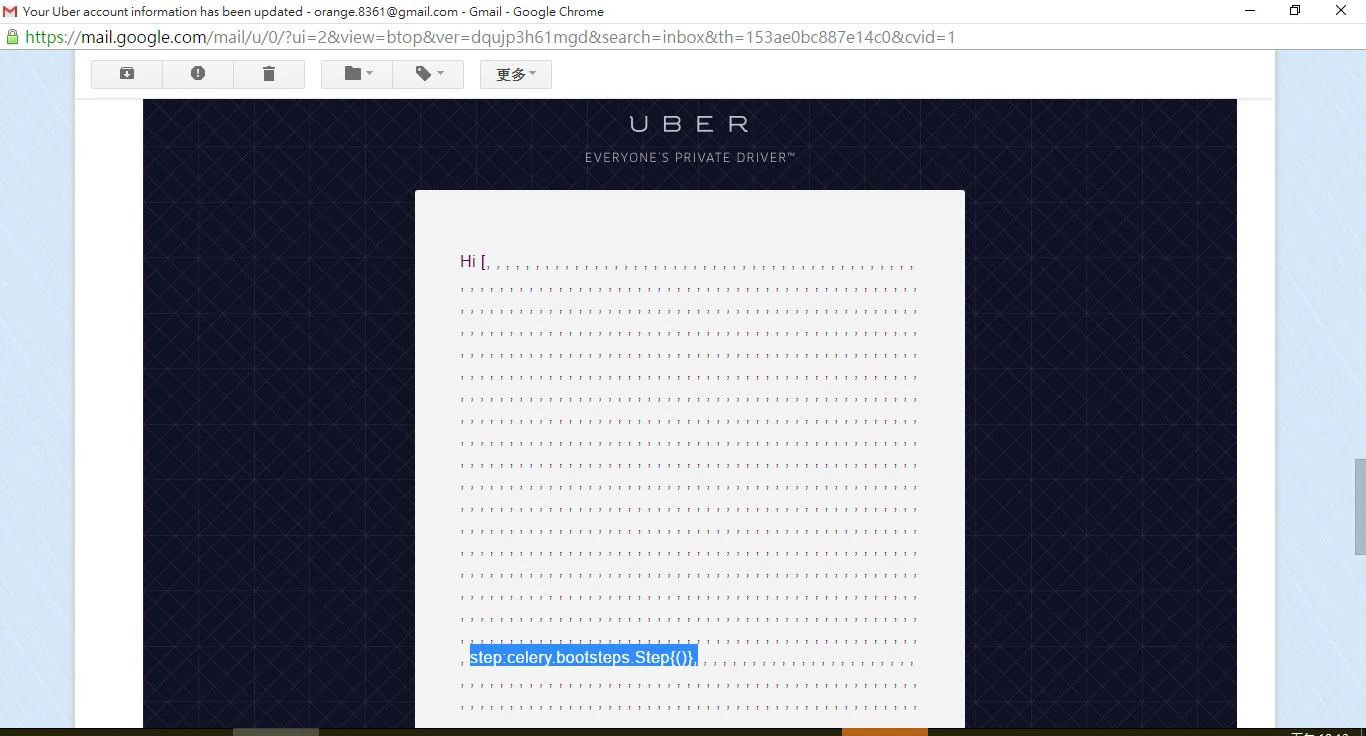
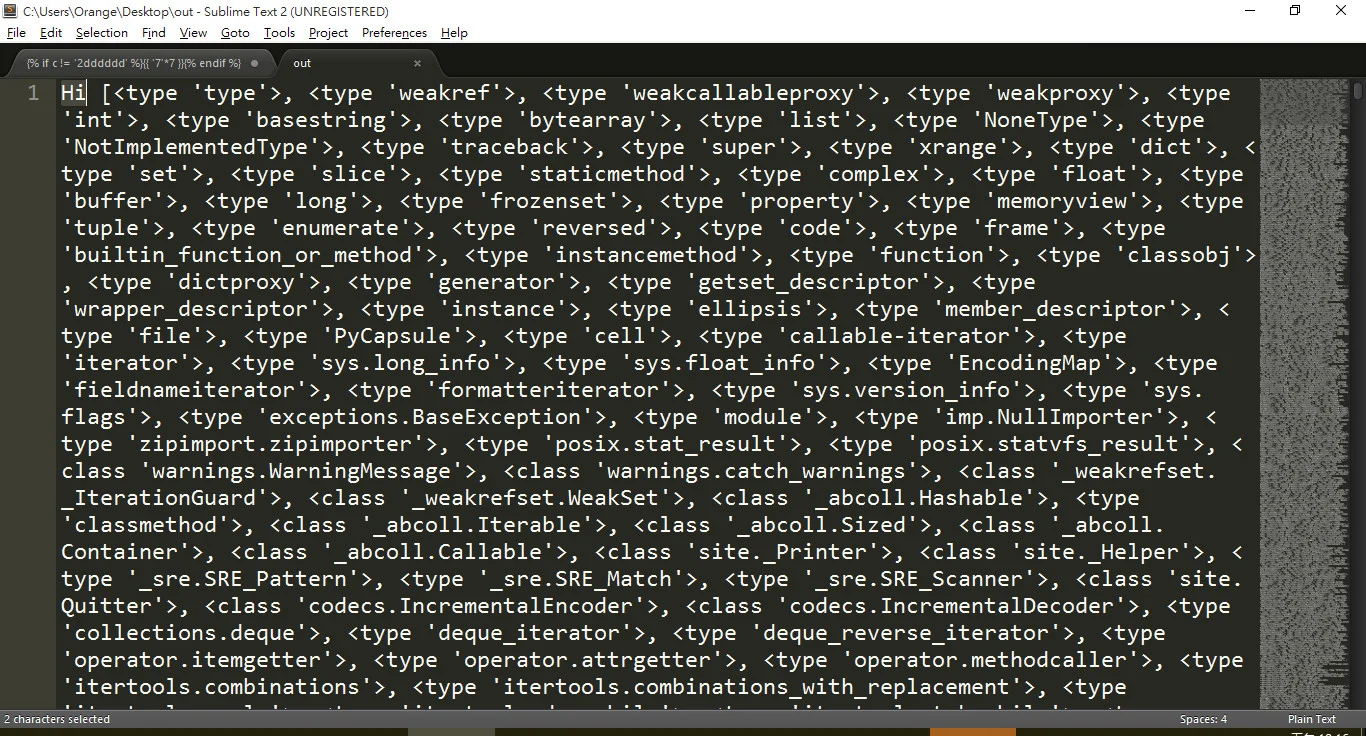
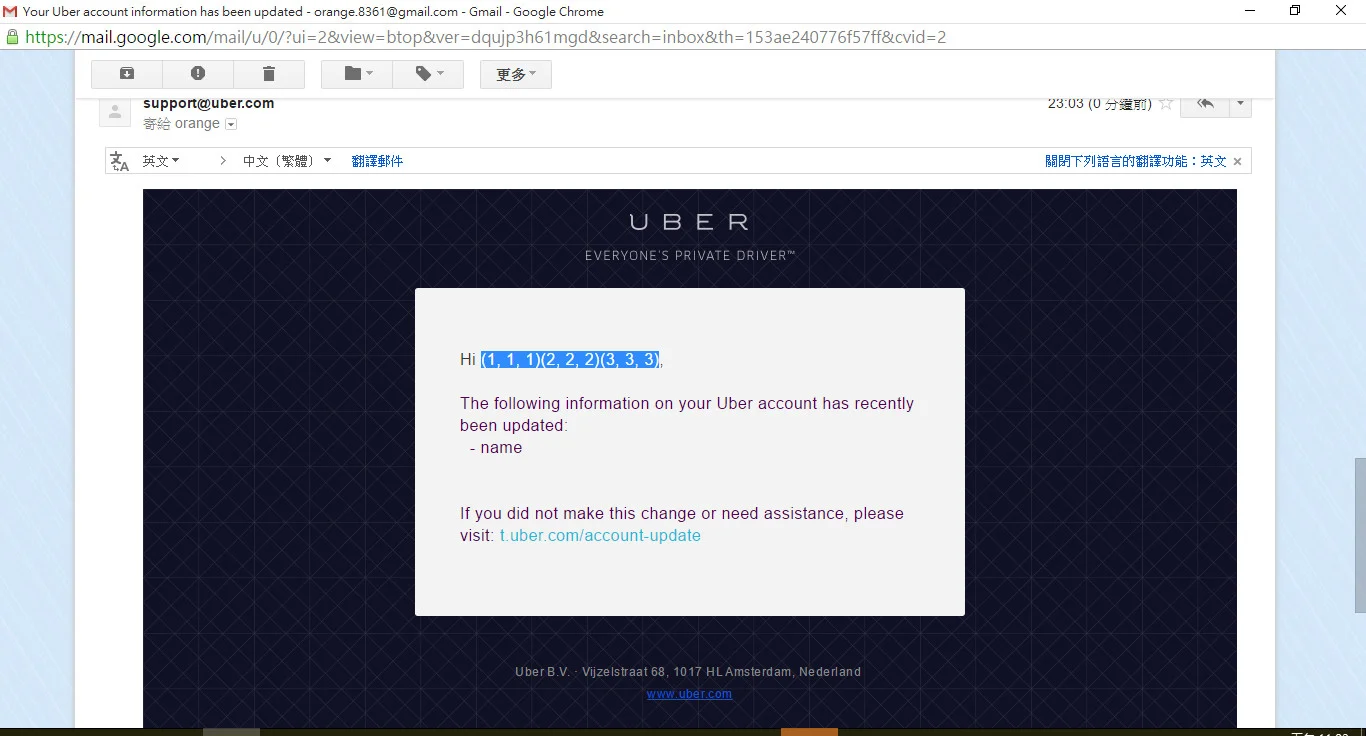
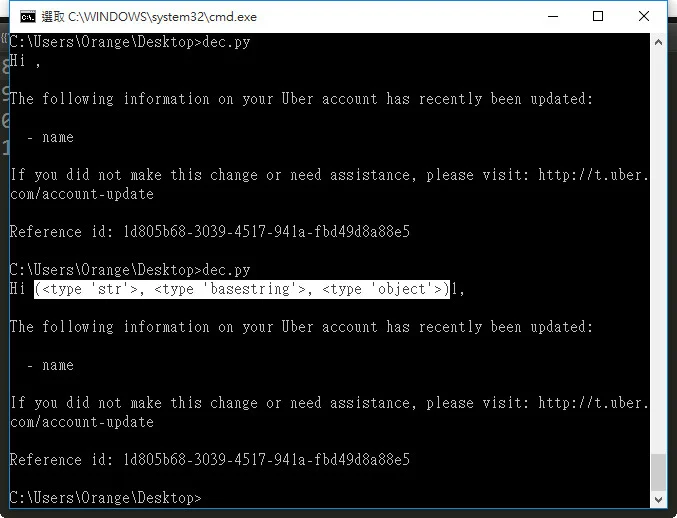
I think it can be a Remote Code Execution vulnerability but there is a length limit :( But I still can "write" some Python code in "name" filed, there are more examples in attachments and bellow are my payloads
{{ '7'*7 }} {{ [].class.base.subclasses() }} # get all classes {{''.class.mro()[1].subclasses()}} {%for c in [1,2,3] %}{{c,c,c}}{% endfor %} ...
Thanks for your patience for reading my report. : )
Attachments
Not written yet. The AI write-up for this report has not been written yet. The Original tab links to the source.
What is known
A RCE bug in Uber. HackerOne made it public on 6 April 2016. It paid $10,000.
About RCE
Running the attacker's code on the target's servers: through command or code injection, unsafe deserialisation or template injection.
Not written yet. The AI write-up for this report has not been written yet. The Original tab links to the source.
What is RCE?
Running the attacker's code on the target's servers: through command or code injection, unsafe deserialisation or template injection.






