Reflected XSS and/or malicious redirection via JWPlayer 6 configuration modification
The video embed page passed URL parameters directly into the JWPlayer setup configuration, allowing an attacker to add a clickable logo with a malicious link. This could redirect users to an arbitrary site or execute JavaScript in the context of about:blank.

- Disclosed after 4 months
1) Malicious attacker by visiting course page (e.g. https://www.udemy.com/overview-of-big-data-hadoop/) and intercepting browser's generated requests can find one to the following URL:
https://www.udemy.com/embed/video/E0IfdVtaQngT/?params%5Bvars%5D%5Bplaylist%5D%5B0%5D%5Bimage%5D=https%3A%2F%2Fdujk9xa5fr1wz.cloudfront.net%2Fcourse%2F750x422%2F211248_71a0_4.jpg¶ms%5BtrackVideoPlay%5D=true&xdm_e=https%3A%2F%2Fwww.udemy.com%2Foverview-of-big-data-hadoop%2F&xdm_c=default1987&xdm_p=4
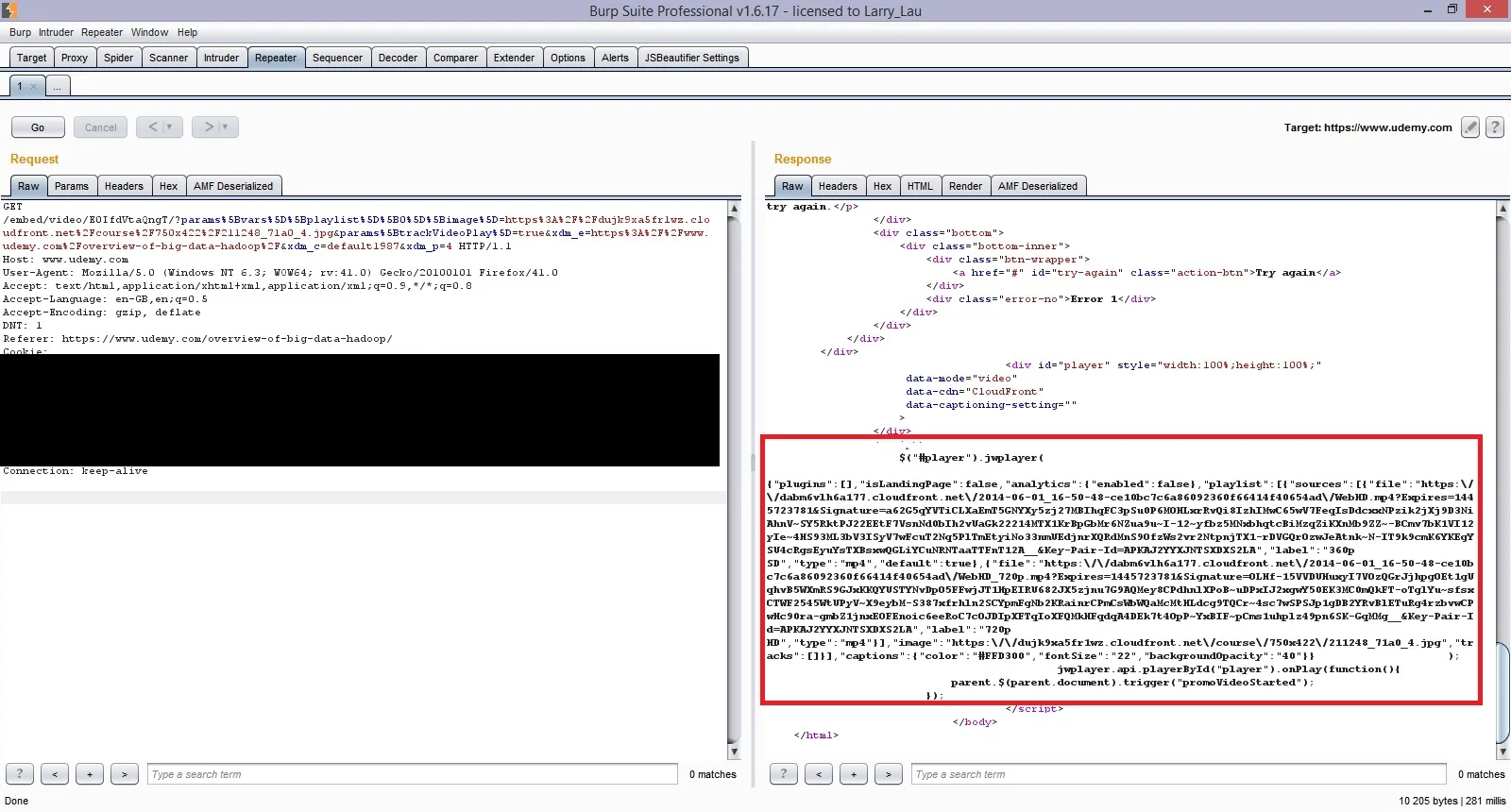
It is made for loading JWplayer to show demo video from course overview page. URL parameters of that request are interpreted by web server as parameters of JWplayer's "setup" function.
Picture 0.jpg shows like "params%5Bvars%5D%5Bplaylist%5D%5B0%5D%5Bimage%5D=https%3A%2F%2Fdujk9xa5fr1wz.cloudfront.net%2Fcourse%2F750x422%2F211248_71a0_4.jpg" is posted into script block and interpreted as background image of the player.
2) Attacker can use that server's behavior in order to reconfigure JWPlayer according to the following Manual
For example, he can add "logo" block to the player via attributes "logo.file", "logo.link" and change the player's window size. This will add clickable logo which will cover player's window. "logo.link" can contain one of the following payloads:
- //google.com.ua <-- this can be used for users redirection
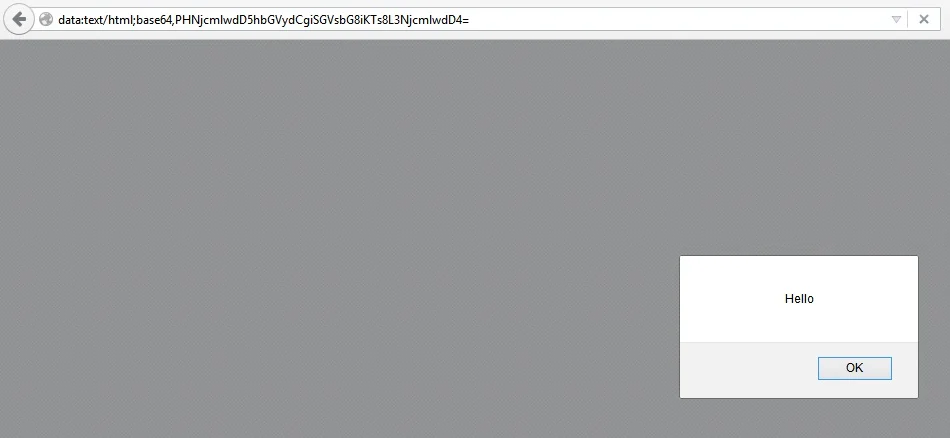
- data:text/html;base64,PHNjcmlwdD5hbGVydCgiSGVsbG8iKTs8L3NjcmlwdD4= <-- this can be used for execution of any JavaScript code (XSS) in context of about:blank.
As a result, malicious URL will be look like this:
https://www.udemy.com/embed/video/E0IfdVtaQngT/?params[vars][abouttext]=Play¶ms[vars][controls]=false¶ms[vars][width]=750¶ms[vars][height]=422¶ms[vars][logo][file]=https%3A%2F%2Fdujk9xa5fr1wz.cloudfront.net%2Fcourse%2F750x422%2F211248_71a0_4.jpg¶ms[vars][logo][link]=data:text/html;base64,PHNjcmlwdD5hbGVydCgiSGVsbG8iKTs8L3NjcmlwdD4=¶ms[trackVideoPlay]=true&xdm_e=https%3A%2F%2Fwww.udemy.com%2Foverview-of-big-data-hadoop%2F&xdm_c=default2455&xdm_p=4
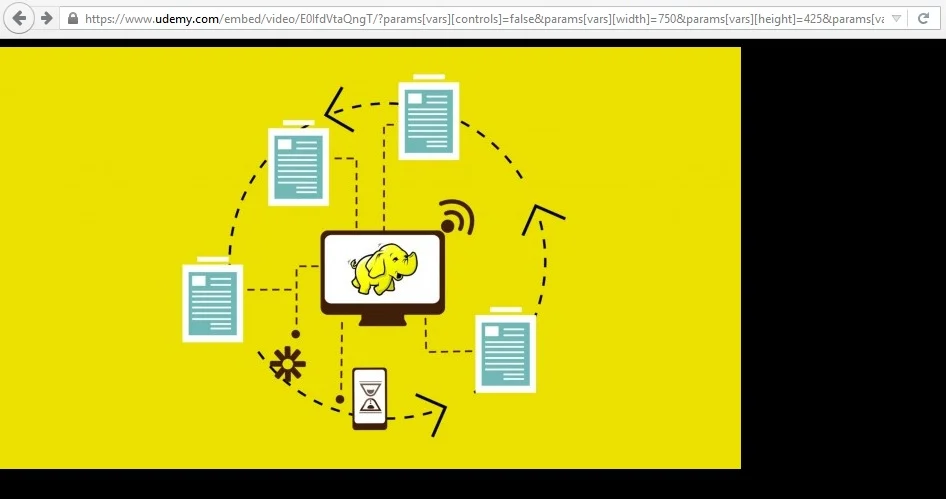
3) Attacker can send created URL to the victim user. After clicking on it, user will be navigated to the page which will look like valid video (example represented on screen 1.jpg). After clicking on the image malicious redirection or JavaScript execution will happen (result of execution represented on screen 2.jpg).
Image which is used as "logo.file" could contain "Play" button or anything else to attract attention and seduce users to click it. XSS code can be modified in various ways too. This approach is working great on Firefox and Opera browsers.
Attachments
Not written yet. The AI write-up for this report has not been written yet. The Original tab links to the source.
How it worked
Impact
An attacker could redirect users to arbitrary sites or execute JavaScript in the context of about:blank, but the exploit worked mainly on Firefox and Opera.
What the attacker needed
Victim clicks a crafted link; victim uses Firefox or Opera
How it was found
- Visit a course page and intercept the request to the video embed URL.
- Modify the URL parameters to add a logo with a malicious link.
- Send the crafted URL to a victim.
- The victim sees a fake video player and clicks the logo, triggering redirection or JavaScript execution.
Explained by bugbounty.wiki with AI from the original and checked against quotes from it; it can still be wrong. Read the original before relying on a detail.
Not written yet. The AI write-up for this report has not been written yet. The Original tab links to the source.
The website let users control settings for a video player through the web address. An attacker could craft a link that made the player show a fake play button; clicking it could send the victim to a harmful site or run code. This only worked well in some browsers.
What is XSS?
Script an attacker supplies runs in another user's browser, on the target's origin, with that user's session.





