XSS Vulnerability
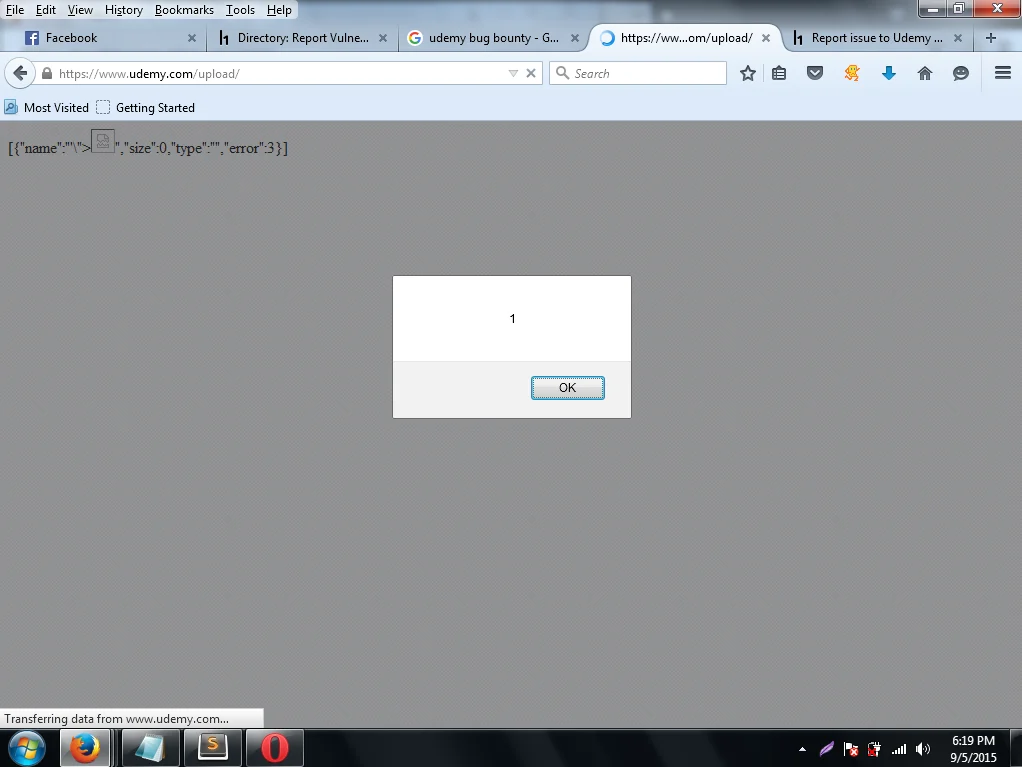
The report claims a cross-site scripting vulnerability exists when uploading a file whose name contains HTML markup. An attacker could potentially execute script in a victim's browser by uploading a specially named image.

- Triaged in 4 days
- Fixed in 35 days
- Paid in 54 days
- Disclosed after 2 months
Hi,
I just want to report a XSS Vulnerability
POC:
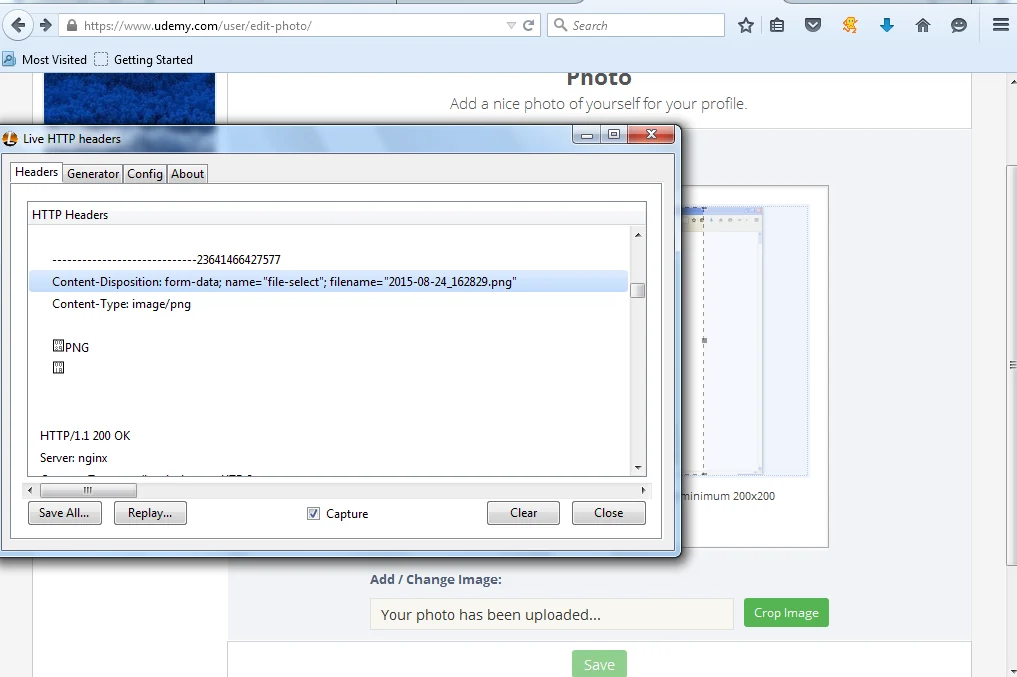
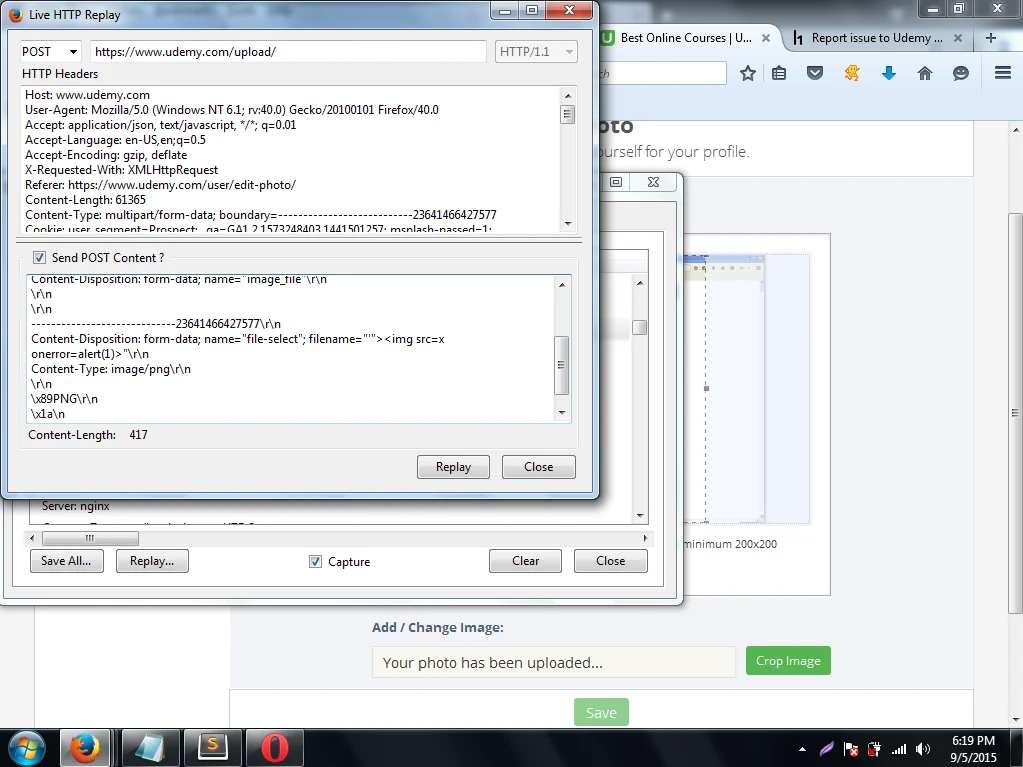
Fire up LIVEHTTPHEADERS and capture the request
- I upload 2015-08-24_162829.png as my file name
-After capturing the request, rename you image into '"><img src=x onerror=alert(1)> as payload
Attachments
Not written yet. The AI write-up for this report has not been written yet. The Original tab links to the source.
How it worked
What the attacker needed
Ability to upload a file
How it was found
- Start a request-capturing proxy and capture the upload request.
- Upload an image with a normal file name.
- Rename the image file so its name contains HTML markup.
- Rename the image file to contain HTML markup.
Explained by bugbounty.wiki with AI from the original and checked against quotes from it; it can still be wrong. Read the original before relying on a detail.
Not written yet. The AI write-up for this report has not been written yet. The Original tab links to the source.
Cross-site scripting (XSS) is when a website displays user-supplied text as if it were part of the page's code, so a malicious name can run a small script in someone else's browser. Here the reporter says that renaming an uploaded image to include HTML tags causes the site to treat the name as code. The report is very short and does not show the site actually running the script.
What is XSS?
Script an attacker supplies runs in another user's browser, on the target's origin, with that user's session.




